






Ingenuity Born of Need
The ongoing scarcity of LPG cylinders across India has spurred considerable creativity in home kitchens, forcing people to devise novel ways to prepare
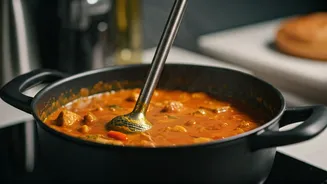
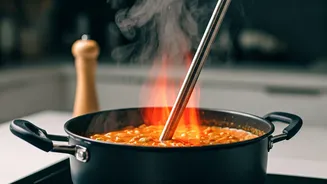
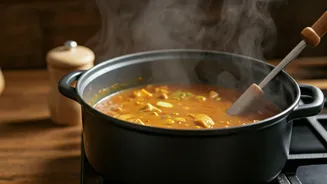
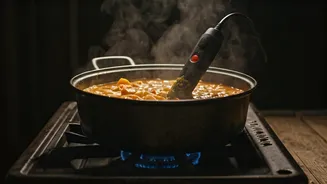
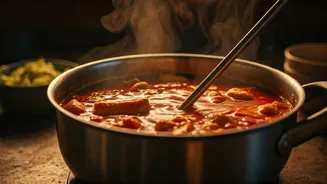
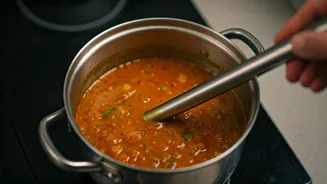
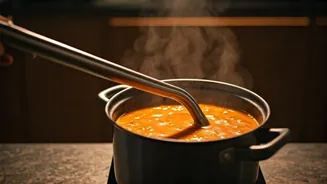
meals. A particularly striking example has emerged in a viral video, showcasing an individual's extreme adaptation to a lack of cooking gas. Shared on Instagram, the clip features a man in a modest kitchen setting. Instead of igniting a gas flame, he directly submerges an immersion rod into a pot of curry, initiating the cooking process. The accompanying text, 'Gas gone, heat rod on,' and the caption 'Technologia' highlight the user's view of this as a technological solution born out of necessity. Immersion rods are typically designed for heating liquids like water for bathing or cleaning, and their application in direct food preparation is highly unusual, demonstrating the lengths to which people will go when essential resources are unavailable.
Internet's Divided Reaction
As anticipated, the unconventional cooking video quickly ignited widespread discussion across social media platforms, eliciting a spectrum of reactions ranging from amusement to significant apprehension. A common humorous observation from users was the idiom 'Minto ka kaam ghanto mai,' which translates to 'work of minutes done in hours,' humorously commenting on the perceived inefficiency or absurdity of the method. However, alongside the jokes, serious concerns were raised regarding the safety and health implications. Many users pointed out that immersion rods are not intended for food preparation and warned of potential severe stomach infections due to residues or contaminants. The advice given was to avoid consuming food cooked this way, emphasizing the importance of using traditional methods like gas stoves or wood fires for cooking.
Broader Coping Mechanisms
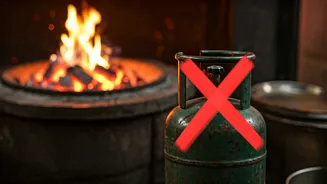
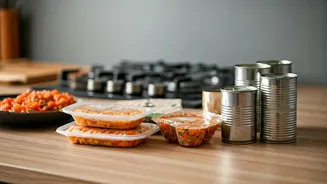
This peculiar incident offers a small window into the larger picture of how Indian households are navigating the current LPG shortage. With gas cylinders becoming increasingly difficult to obtain, families are actively exploring and adopting various alternative cooking methods. These include a return to traditional wood-fired stoves, the utilization of electric appliances beyond immersion rods, and even a shift towards simpler, no-cook meal options to minimize reliance on gas. This adaptation strategy extends beyond just the cooking apparatus; meal planning is also undergoing a transformation. Families are consciously selecting dishes that require less preparation time, thereby conserving fuel and reducing cooking duration. In some instances, even staple beverages like tea are being substituted with quicker alternatives, such as simple lemon water, to streamline daily routines amidst the ongoing fuel scarcity.