




Understanding Maida's Role
Maida, often termed all-purpose flour, is a common kitchen ingredient extensively used in Indian households. Its fine texture and long shelf life make
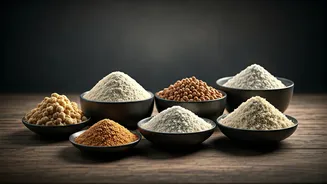
it a go-to for a variety of dishes, including celebratory cakes, crusty breads, and popular street food like bhaturas. The versatility of maida stems from its gluten content, which provides elasticity and structure essential for baking. This property allows doughs to stretch and hold air, resulting in a light crumb in cakes and a chewy texture in bread. However, the refining process, which removes the wheat's bran and germ, strips away vital nutrients and fiber, leaving behind primarily simple carbohydrates. While it performs admirably in terms of texture and consistency across numerous recipes, its nutritional profile is less than ideal, leading to rapid digestion and potential blood sugar spikes. Therefore, considering alternatives can be a beneficial step towards a more balanced diet without sacrificing culinary enjoyment.
Why Maida Falls Short
The allure of maida lies in its refined texture and baking prowess, but its nutritional shortcomings are significant. The process of transforming whole wheat into maida involves the removal of the bran, which contains most of the dietary fiber, and the germ, a rich source of vitamins and minerals. What remains is primarily the starchy endosperm, which is ground into a fine powder. This reduction in fiber and essential nutrients means that foods made with maida are digested very quickly by the body. Consequently, they can lead to sharp increases in blood sugar levels, a phenomenon known as a blood sugar spike. Furthermore, the lack of fiber contributes to a feeling of fullness that dissipates rapidly, potentially leading to more frequent hunger pangs. While not necessitating complete elimination, a reliance on maida for everyday cooking and baking means missing out on crucial nutrients and potentially contributing to less stable energy levels throughout the day.
Swaps for Cakes
When aiming for healthier cakes without compromising on their desirable softness and moisture, several excellent flour alternatives can be considered. Almond flour, for instance, is a superb choice; it imparts a rich flavor and adds a delightful moistness to baked goods. However, using almond flour exclusively can sometimes result in a dense cake. To achieve a better balance of texture and structure, it's often recommended to combine it with whole wheat flour. Another fantastic option is oat flour. Made from ground oats, it has a naturally light consistency and a subtly sweet taste, making it particularly well-suited for delicate tea cakes. Its gentle flavor profile ensures it complements rather than overpowers the other ingredients, offering a lighter, more wholesome base for your sweet creations.
Alternatives for Breads
Crafting bread requires careful consideration of flour properties, as structure and texture are paramount. Whole wheat flour emerges as a superior choice for bread due to its abundant fiber content, which contributes to a denser, more satisfying loaf that promotes prolonged satiety. For those who still desire a softer bread texture but wish to incorporate healthier ingredients, a combination of whole wheat flour with multigrain flour can be very effective. Multigrain flour introduces a variety of grains, enhancing both flavor and nutritional complexity. Alternatively, a small proportion of maida can be blended with these healthier flours to achieve a softer crumb while still benefiting from the added nutrients. When an exceptionally sturdy structure is the primary goal, such as in artisan bread or baguettes, high-gluten bread flour remains an excellent, albeit less nutritionally dense, option for achieving that characteristic chew and rise.
Bhatura Dough Solutions
Replacing maida in the context of making bhaturas presents a unique challenge due to the flour's essential role in achieving the characteristic elasticity and puffiness of this fried bread. While a direct one-to-one substitute is difficult, a combination of atta (whole wheat flour) and sooji (semolina) offers a promising alternative. This blend helps to mimic the dough's required elasticity, providing a satisfying chew while also introducing a subtle texture difference. To further enhance the dough's fermentation and ensure a soft final product, incorporating yogurt is a highly recommended step. The acidity in yogurt aids in the leavening process and contributes to a tender dough, which is crucial for achieving the desired light and airy bhaturas that puff up beautifully when fried.
Snacks and Cookies
For a wide array of snacks and cookies, several flours can introduce delightful flavors and nutritional benefits, moving beyond the plainness of maida. Besan, or gram flour, is a fantastic choice, lending a distinct nutty flavor and a wholesome character to both savory baked goods and traditional Indian snacks. Its protein content also adds nutritional value. Ragi flour, derived from finger millet, offers a deep, earthy flavor that can add complexity to cookies and savory items, while also significantly boosting the nutritional profile with its wealth of calcium and iron. When aiming for an extra crisp texture, particularly in fried snacks or certain types of biscuits, rice flour is an invaluable addition. It contributes a satisfying crunch and a lighter feel, making it an excellent component for achieving that perfect crispness in your homemade treats.