





The Processed Meat Problem
Elevated cholesterol, often misunderstood, is crucial for bodily functions but becomes a health risk when levels surge, leading to arterial plaque and
increasing the likelihood of heart attacks or strokes. While genetics and age play a role, dietary choices significantly impact cholesterol management. The foremost food group nutritionists recommend limiting for better cholesterol control is processed meats. This category encompasses not only obvious items like hot dogs, sausages, and salami but also seemingly healthier deli staples such as turkey, ham, and roast beef, which are frequently consumed in sandwiches and other convenient meals. Understanding the components of these meats is key to making informed decisions for heart health. Many processed meats are derived from fattier cuts of animal muscle and are prepared using methods that significantly increase their saturated fat content. This high concentration of saturated fat is a major contributor to elevated cholesterol levels, particularly the detrimental low-density lipoprotein (LDL) cholesterol, often referred to as 'bad' cholesterol. Even products marketed as leaner options, like turkey bacon or low-fat deli slices, still contain a notable amount of saturated fat and contribute to your daily intake, making them less than ideal for consistent consumption when cholesterol is a concern.
Beyond Fat: Gut & Sodium Woes
The detrimental impact of processed meats on cholesterol extends beyond their saturated fat content. Emerging research highlights a significant connection between processed meat consumption and the gut microbiome, our complex ecosystem of bacteria that plays a vital role in overall health, including metabolic regulation. Diets rich in meat, especially processed varieties, have been observed to diminish the diversity of beneficial gut bacteria. A less diverse microbiome is associated with impaired cholesterol absorption and excretion processes, and it can also exacerbate chronic inflammation, a known factor in the development of cardiovascular diseases. Furthermore, processed meats are notoriously high in sodium, a preservative used to extend shelf life. While sodium itself doesn't directly raise cholesterol, its excessive intake poses significant cardiovascular risks. A diet loaded with sodium can elevate blood pressure, forcing the heart to work harder, which indirectly harms cardiovascular well-being. The amount of sodium added to deli meats, for instance, can be alarmingly high, far exceeding that found in their unprocessed counterparts. This excessive sodium, coupled with saturated fats and potential gut microbiome disruption, makes processed meats a multifaceted threat to heart health.
Smart Swaps for Satisfaction
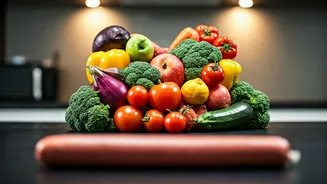
Transitioning away from processed meats doesn't mean sacrificing convenience or flavor in your meals. Strategic substitutions can significantly reduce saturated fat and sodium intake while maintaining enjoyable and protein-rich dishes. Consider replacing pre-sliced deli meats in sandwiches and salads with freshly cooked proteins. Leftover grilled chicken or baked salmon from dinner, or cooking a batch of lean protein at the start of the week, offers the same ease with a healthier profile. For plant-based enthusiasts, alternatives like mashed chickpeas, lentils, baked tofu, or hummus serve as excellent, satisfying substitutes. These options are not only delicious and easy to prepare but are also packed with fiber, promoting fullness. To replicate the savory, smoky tastes often associated with processed meats, incorporate spices like smoked paprika or chipotle powder into your cooking. Grilling vegetables can also add a depth of flavor without relying on processed ingredients. When time is short, opt for minimally processed choices such as rotisserie chicken or canned tuna, which generally contain less sodium and saturated fat compared to typical deli meats.
Holistic Heart Health Strategies
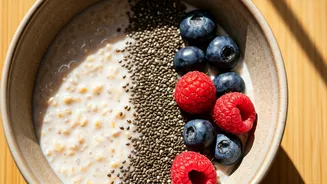
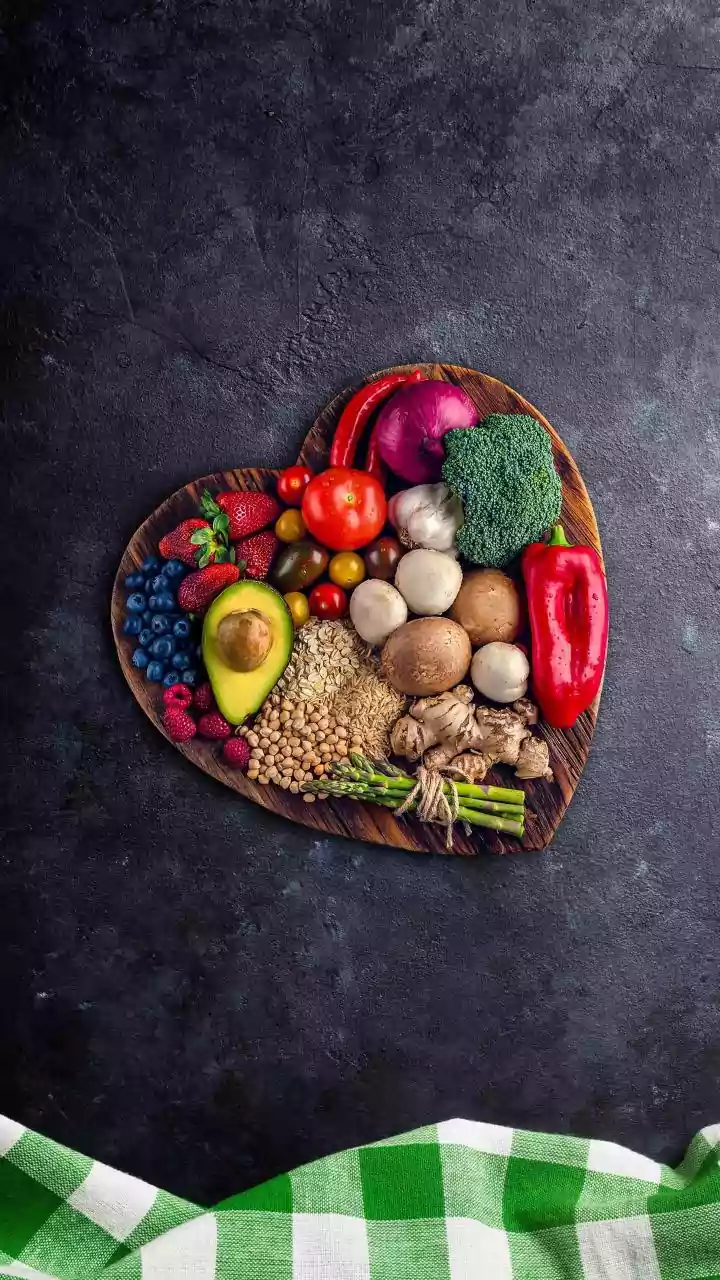
While reducing processed meats is a powerful step, a comprehensive approach to cholesterol management involves several other dietary and lifestyle adjustments. Prioritizing fiber-rich foods is essential; fiber binds to cholesterol in the digestive tract, preventing its absorption into the bloodstream. Excellent sources include fruits, vegetables, whole grains, and oats. Incorporating foods high in omega-3 fatty acids is another beneficial strategy. These 'good' fats help counteract inflammation, a common consequence of high cholesterol. Fatty fish like salmon, nuts, avocados, and flaxseeds are rich in omega-3s. Furthermore, consciously choosing lean, unprocessed protein sources, whether animal-based like grilled chicken or canned salmon, or plant-based like mashed chickpeas, ensures adequate protein intake without the cholesterol-raising additives found in processed meats. These combined efforts create a robust dietary pattern that supports not only healthy cholesterol levels but also overall cardiovascular well-being.