





Beyond Yellow
While most kitchens are stocked with the common yellow banana, a world of diverse banana varieties awaits culinary exploration. Unripe green bananas, with their
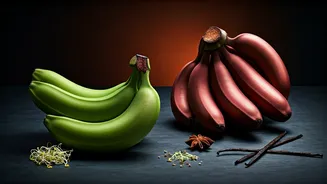
firm, starchy texture, and red bananas, offering a creamy sweetness with berry-like notes, unlock entirely new dimensions for cooking. These distinct types are not just novelties; they provide significant versatility, enabling the creation of innovative savoury meals and sophisticated desserts. Incorporating them into your cooking can introduce exciting new flavour profiles and elevate your everyday meals into something truly special, opening a vast new landscape of creative and delicious home cooking opportunities.
Green Banana: Starch Powerhouse
Green bananas, or unripe bananas, are a cornerstone in many global cuisines, celebrated for their high starch and low sugar content. This composition results in a dense, waxy texture and a subtle, neutral taste, making them exceptionally well-suited for savoury applications. They maintain their structure beautifully when subjected to various cooking methods like boiling, steaming, or frying, absorbing spices and seasonings without becoming mushy. According to USDA FoodData Central, they are harvested at their starch peak, offering a versatile base ingredient akin to potatoes for crafting hearty dishes. A practical tip for preserving their starchy nature is to store them in cool, dry environments away from direct sunlight and ethylene-producing fruits like apples or yellow bananas, which accelerates ripening.
Red Banana: Sweet Dessert Star
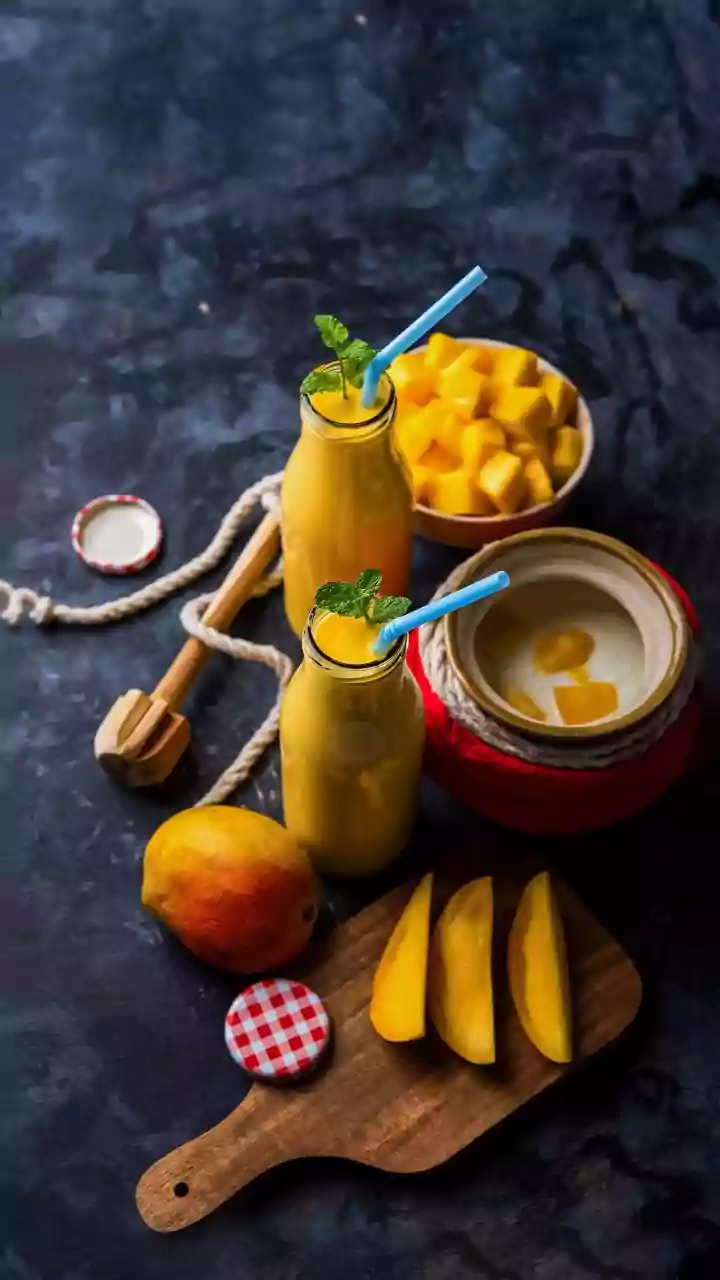
Red bananas present a striking contrast to their green counterparts, characterized by their shorter, stockier build and a rich, deep maroon skin. Once ripened, they transform into a delightfully creamy fruit with a flavour profile that hints at berries and tropical fruits like raspberries and mangoes. This inherent sweetness and smooth texture make them a popular choice for adding a gourmet touch to desserts and sweet dishes. They are perfect for fruit salads, baked goods, or blended into smoothies. To ensure optimal flavour and texture, ripen red bananas at room temperature until they exude a pleasant aroma and yield gently to pressure. Their readiness is often indicated by a change in colour and a fragrant scent.
Creative Banana Recipes
To truly appreciate the versatility of green and red bananas, consider their application in specific dishes. For green bananas, try making crispy savoury 'coins' by treating them like a potato. Slice them thinly, toss with olive oil, cumin, turmeric, and salt, then bake at 200°C for about 20 minutes until crisp. This method highlights their neutral base and ability to absorb spices. For red bananas, a refreshing red banana and berry smoothie bowl showcases their creamy sweetness. Blend two ripe red bananas with frozen raspberries, Greek yoghurt, and a touch of honey until smooth, then top with toasted almonds for a delightful contrast in texture. Remember to store green bananas away from ripening fruits and allow red bananas to ripen fully at room temperature for the best results.
Kitchen Storage & Variety
Effective kitchen storage is key to unlocking the potential of both green and red bananas. To maintain the firm, starchy quality of green bananas for savoury dishes, store them in cool, dry locations away from sunlight. Limiting their exposure to ethylene gas, emitted by fruits like apples or yellow bananas, will slow down their ripening process, keeping them firm for cooking. Conversely, ripening red bananas properly is crucial for their sweet flavour. Allow them to sit at room temperature until they develop a pleasant aroma and soften slightly when pressed. Embracing these different banana varieties in your cooking routine adds technical versatility and a wider spectrum of flavours, encouraging culinary innovation and enhancing your day-to-day meals.