






The Sealing Cycle
While a common misconception suggests annual resealing, industry professionals advise a more measured approach. Initially, it's recommended to seal a newly
installed deck and then again in the subsequent year. This establishes a robust initial defense. However, beyond this initial two-year period, resealing every two to three years is generally sufficient for most decks. Over-sealing, surprisingly, can be detrimental. It can lead to a buildup of sealant, causing cracking, peeling, and trapping moisture, which ultimately encourages rot. This repeated application without need can actually accelerate wear and tear, shortening the lifespan of your deck boards. Therefore, understanding the signs and the right timing is crucial, rather than adhering to a strict annual schedule. The key is to provide adequate protection without overdoing it.
Assessing Your Deck's Needs
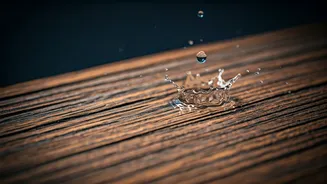
Determining if your deck requires resealing doesn't need to be complex. A simple water test can provide a clear indication. Apply a small amount of water onto the deck surface and allow it to sit for approximately 30 seconds. If the water droplets begin to absorb into the wood, it signifies that the existing sealant has degraded and is no longer effectively repelling moisture. This means it's time for a fresh coat. The frequency of resealing can also be influenced by external factors. Decks situated in regions experiencing intense sunlight, high humidity, frequent rainfall, or harsh winters may necessitate more frequent attention than those in milder climates. Similarly, decks that endure heavy foot traffic or are constantly exposed to the elements might require resealing sooner than the general two-to-three-year guideline. Regular visual inspections for signs of wear and tear will also help you stay ahead of potential issues.
Choosing the Right Sealant
The selection of a sealant plays a pivotal role in protecting your deck, and the best choice often depends on your local climate. For areas that receive abundant direct sunlight throughout the year and lack significant shade, a solid sealant is advisable. These offer superior protection against damaging UV rays, preventing the wood from fading and degrading. Conversely, if you reside in a cooler, less sunny region, a transparent or semi-transparent stain might be more suitable. These options not only protect the wood from moisture but also enhance its natural aesthetic appeal. Experts recommend looking for products that provide a dual benefit, offering both robust moisture protection and effective UV resistance. Many modern products combine staining and sealing properties, simplifying the application process while beautifying your deck. Ultimately, the ideal stain or sealant depends on your desired look and the current condition and age of your deck's wood.
Optimal Sealing Conditions
The timing of sealant application is critical for achieving optimal results and ensuring the sealant penetrates effectively into the wood. Generally, the period from late spring through early fall is considered the most suitable time for resealing your deck. This is because most sealant manufacturers recommend applying their products when ambient temperatures are between 50°F and 85°F. Furthermore, it's crucial to ensure there is no rain forecasted for at least 24 hours after application, as rain can wash away or dilute the fresh sealant. The ideal time of day for application is mid-morning or mid-afternoon. This is preferable to applying sealant during the hottest part of the day, around noon, when the deck surface can become excessively hot. High temperatures can cause the sealant to dry too rapidly, hindering its ability to penetrate the wood properly. You should also avoid early mornings and late evenings when dew might be present, as residual moisture on the surface can compromise the sealant's adhesion and effectiveness.
Preparation for Application
Before embarking on the resealing process, thorough preparation of your deck is essential for a durable and long-lasting finish. Begin by cleaning the deck to remove any old sealant, accumulated dirt, mildew, or grime. For decks constructed with new lumber, it's important to allow them to cure for about 30 consecutive days without exposure to moisture before applying any sealant. If you are working with an existing deck or using kiln-dried lumber, ensure the deck is completely clean and has been dry for at least 24 to 48 hours prior to application. Allow adequate drying time after washing; typically, 24 to 48 hours is needed, though high humidity levels can extend this period. For best results, use sandpaper ranging from 60- to 150-grit to smooth out surface imperfections and create a slightly rougher texture. This action opens up the wood pores, significantly improving the sealant's ability to penetrate deeply. If, after applying the sealant, you notice puddles or that the wood doesn't absorb the product within approximately 30 minutes, be sure to wipe away any excess to prevent an uneven finish.