







India's Heart Health Crisis
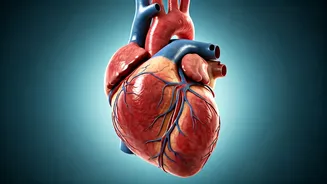
India grapples with a disproportionately high burden of heart disease, accounting for a staggering 60% of global cases despite representing less than 20%
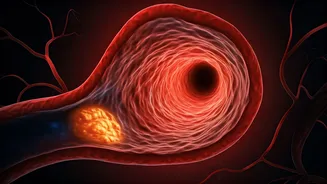
of the world's population. A particularly concerning trend is the significantly earlier onset of heart attacks in Indians, often occurring 10 to 15 years sooner than in Western populations, with nearly a quarter of individuals experiencing these events before the age of 40. This premature vulnerability is linked to several factors intrinsic to the Indian population. Many individuals, even those appearing lean, accumulate excess visceral fat around their abdominal organs, a condition often referred to as 'skinny fat.' Compounding this are genetic predispositions, such as smaller coronary arteries and the 'thrifty gene' hypothesis, which suggest a biological tendency towards efficient energy storage that can, paradoxically, increase disease risk. These combined factors create a unique cardiac risk profile necessitating a focused approach to prevention and early intervention within the Indian context.
Lifestyle: The Prevention Pillar
The bedrock of mitigating heart attack risk lies in conscious lifestyle choices, a principle strongly emphasized by cardiac experts. While unchangeable factors like genetics and family history play a role, approximately 90% of heart attacks can be averted through diligent management of modifiable risks. This involves cultivating a consistent routine of physical activity, maintaining a healthy weight, abstaining from smoking, and practicing moderation in alcohol consumption. Effective stress management techniques are also crucial, as is the commitment to regular health screenings. For individuals at lower risk, routine checks of blood pressure, sugar, and cholesterol levels are recommended. Those identified as high-risk may benefit from more advanced diagnostic tools such as echocardiography or CT coronary angiography. Dr. Chandra underscores that 'lifestyle is the foundation,' and consistent good habits, coupled with timely medical attention for conditions like high blood pressure, diabetes, and elevated cholesterol, form a powerful defense against cardiovascular events.
Modern Cardiac Innovations
The landscape of cardiac care in India has been dramatically reshaped by technological advancements, transforming once-feared procedures into less invasive and highly effective treatments. Angioplasty, for instance, has evolved significantly; it is now frequently performed through the wrist, enabling patients to recover rapidly and often return home within hours, resuming their normal activities, including work, within just 72 hours. This marks a profound shift from the apprehension associated with angioplasty and emergency surgery just two and a half decades ago. Beyond angioplasty, innovative solutions address other cardiac issues. Valve disorders can now be managed without resorting to open-heart surgery, utilizing procedures like MitraClip and TAVI. Furthermore, for individuals who struggle with daily oral cholesterol medications, long-acting injectable therapies offer a convenient and effective alternative. These innovations collectively empower clinicians to deliver more precise, patient-friendly, and outcome-oriented cardiac interventions.
Rapid Response & Access
In the critical moments following a heart attack, swift action is paramount, as the first 60 minutes – often termed the 'golden hour' – can significantly influence the extent of damage. It is vital for individuals to be aware of the nearest medical facilities equipped with a cardiac catheterization lab, intensive care unit, and readily available cardiologists, ideally reachable within 20 minutes. Proactive knowledge of these resources can literally be life-saving. Concurrently, access to advanced cardiac treatments is becoming more widespread and affordable in India. The 'Made in India' initiative for medical devices and pharmaceuticals is helping to drive down costs. Coupled with government health schemes and insurance coverage, these advancements are making sophisticated cardiac interventions more accessible. The Indian healthcare system also excels in providing timely specialist consultations, with appointments often secured within hours or a single day, a pace that surpasses many developed nations.