







Understanding Nursemaid's Elbow
Nursemaid's elbow, also known as radial head subluxation, is a frequent injury among young children, often occurring when their arm is yanked or pulled
suddenly. This action can cause the ligaments surrounding the elbow joint to stretch or tear slightly, leading to the radial head (the top part of the radius bone) slipping out of its normal position within the elbow joint. It's a surprisingly common occurrence that many parents remain unaware of until it happens to their child. The injury can happen during everyday activities such as lifting a child up by their arms, swinging them around during play, or even when a child resists being led, causing someone to pull their arm. This subtle displacement is the root cause of the discomfort and immobility that characterizes nursemaid's elbow, making it crucial for caregivers to grasp the mechanics behind this injury to better protect their little ones and address it effectively.
Spotting the Subtle Signs
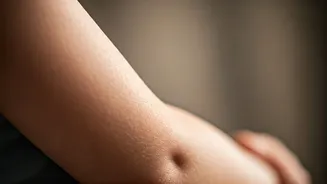
Recognizing nursemaid's elbow can be challenging as its symptoms are often mistaken for a child's fussiness or fear. A key indicator is when a child abruptly stops using one of their arms. They will typically hold the affected limb close to their body, often with the elbow slightly bent, and will show reluctance or an inability to rotate their forearm. What makes this injury particularly deceptive is the absence of visible external signs like swelling, bruising, or any apparent wound, which can lead parents to dismiss the issue. Unlike more obvious injuries, there's no outward physical evidence of trauma. Therefore, if a child experiences a sudden episode of immobility in an arm following a situation where their arm might have been pulled, it's a strong signal that nursemaid's elbow could be the culprit. Vigilance for these subtle behavioral cues is paramount for timely intervention.
Simple Fix, Big Relief
Despite its potentially alarming presentation, nursemaid's elbow is a remarkably benign and easily treatable condition. The good news for concerned parents is that the injury rarely requires extensive medical intervention or a lengthy recovery period. A qualified healthcare professional can resolve nursemaid's elbow with a simple maneuver known as reduction. This involves gently manipulating the elbow joint to guide the dislocated radial head back into its correct anatomical position. This procedure is typically very quick, often taking mere seconds to complete. Once the joint is properly aligned, the child can usually resume normal use of their arm almost immediately, much to the surprise and relief of parents who might have anticipated a much longer and more complex healing process. This ease of treatment underscores why awareness and prompt diagnosis are so beneficial.
Preventing the Injury
Preventing nursemaid's elbow involves a conscious shift in how adults interact with young children, particularly when assisting them with movement. The core principle is to avoid applying direct pulling force to a child's arms or hands. Instead of grabbing a child's hand to help them walk faster or to navigate busy environments like crossing a street, caregivers should opt for a safer alternative. A more appropriate method is to gently hold the child from underneath their armpits. This technique distributes the force more evenly and avoids putting undue stress on the delicate elbow joint. By adopting this mindful approach during everyday interactions, parents, guardians, and teachers can significantly reduce the likelihood of accidental nursemaid's elbow injuries, ensuring children's playful moments remain free from preventable harm.