






Old Delhi's Vibrant Pulse
Imagine being enveloped by the energetic chaos of Chandni Chowk, a 17th-century Mughal market that pulsates with life. Picture yourself in a cycle rickshaw,
navigating narrow lanes brimming with the aromatic allure of spice shops, the vibrant hues of marigold garlands, and the sweet sizzle of jalebi vendors. This sensory overload offers a visceral connection to the heart of Old Delhi, a place where ancient traditions and modern commerce intermingle, creating an unforgettable, pulse-quickening experience that immediately immerses you in the city's dynamic spirit. It’s an introduction to a city that truly never sleeps, a bustling testament to centuries of continuous human activity and trade.
Humayun's Tomb: A Blueprint of Beauty
Step into the serene grandeur of Humayun's Tomb, a masterpiece completed in 1572. This was the very first Mughal garden tomb, an architectural marvel built for Emperor Humayun. Its symmetrical design, tranquil reflecting pool, and soaring Persian arches served as the foundational blueprint for the iconic Taj Mahal. As you explore its elegant tiers of red sandstone and white marble, you'll grasp the sophisticated aesthetic and engineering prowess of the Mughal era. The surrounding lush lawns offer a peaceful respite, an oasis where the modern cityscape subtly encroaches, creating a unique perspective on how history coexists with contemporary life in Delhi, highlighting the enduring beauty and influence of this early Mughal creation.
Mughal Legacy in the City
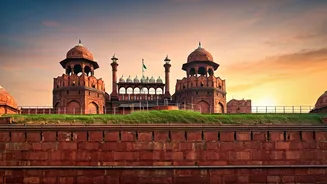
Delve deeper into the profound influence of the Mughal dynasty on Delhi, a city that served as its capital for much of its reign. Beyond breathtaking tombs like Humayun's, this era gifted Delhi with monumental structures such as the Jama Masjid, one of India's largest mosques, and the Red Fort, a symbol of national pride. The empire's impact extended to urban planning and established Delhi as a crucial administrative hub. Even today, this heritage is palpable in the exquisite flavors of dishes like biryani, a culinary fusion born in imperial kitchens, and in the melodic cadence of Urdu, the court's primary language, still spoken widely in northern India, showcasing a lasting cultural imprint.
Mehrauli's Ancient Whispers
Discover the Mehrauli Archaeological Park, a lesser-known treasure trove in South Delhi boasting over 100 significant historical monuments. This vast expanse holds remnants from various ruling periods, including the 8th-century fortification by the Tomar Rajputs and later Mughal and British structures. At its heart lies the Jamali Kamali complex, featuring a mosque and tombs that exemplify the distinctive Indo-Islamic architecture of the Mughal period. Despite the passage of time, the intricate details of its fluted pilasters and pointed arches evoke echoes of Islamic cities like Marrakech. The park's quiet atmosphere, interspersed with ongoing restoration efforts, offers a reflective journey through layers of history, a stark contrast to Delhi's usual energetic pace.
Heritage Embracing the Future
Witness how Delhi's heritage is not merely preserved but actively integrated into its future, exemplified by Sunder Nursery. Once a neglected Mughal-era garden, this space was transformed over a decade into Delhi's first arboretum and a vibrant public park. Now a beloved gathering spot, it features restored 16th-century tombs amidst lush greenery, where locals enjoy kite flying and picnics. This approach of 'adaptive reuse' extends to transforming old havelis into hotels and baolis into community centers. The Delhi Metro, a modern marvel, elegantly connects ancient sites with contemporary hubs, symbolizing the city's philosophy: embracing all its histories – Mughal, colonial, and beyond – to forge a unique identity. This thoughtful integration ensures that Delhi's past continues to inform and enrich its present and future.