



Flavorful Resonance Explained
The increasing popularity of Korean food across India is less about novelty and more about a fundamental similarity in culinary foundations, according
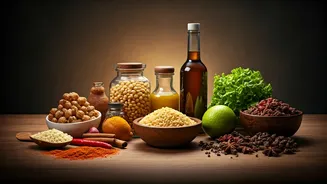
to industry experts. For years, many global cuisines were perceived as entirely foreign, yet the core elements of fermentation, intricate spice layering, and robust, assertive tastes found in Korean cooking have always shared common ground with Indian palates. This natural affinity allows Indian consumers to embrace Korean dishes with an unexpected sense of familiarity, making the growing appreciation for this cuisine feel organic rather than imposed. It’s this deep-seated alignment of flavor profiles, rather than a mere passing fad, that truly underpins the enthusiastic adoption of Korean culinary experiences in India. This connection is built on an intuitive understanding of tastes that already exist within the Indian gastronomic landscape.
Adapting with Authenticity
As Korean cuisine gains traction, food businesses are strategically navigating how to present these vibrant flavors to an Indian audience. The approach isn't about diluting the essence of Korean cooking but rather about thoughtfully adapting it to resonate with local preferences while preserving its authentic spirit. This involves introducing dishes like Korean Honey Sriracha Fried Chicken Burgers and Gochujang-based ramen, aiming to deliver high-quality, genuine tastes with a nuanced Indian touch. This careful balance ensures that the inherent character of Korean food remains intact, while making it approachable and exciting for everyday consumption. It’s a delicate art of fusion that respects the origin while celebrating local appreciation.
Evolving Palates Embrace
The Indian food landscape is undergoing a significant transformation, with consumers demonstrating an increasing openness to global culinary experiences. Younger generations, in particular, are actively seeking out diverse tastes and sensory adventures, moving beyond traditional dining habits. This openness is fueled by broader cultural exposure and a growing willingness to experiment with fusion and international flavors in their daily meals. The influence of Korean culture has acted as a catalyst, accelerating this curiosity and encouraging a deeper engagement with cuisines that offer bold and distinctive profiles. This evolution signifies a shift towards a more adventurous and globally-minded approach to eating, making Korean dishes a natural fit for contemporary Indian lifestyles.
Innovation Meets Familiarity
For established food brands, the rising popularity of Korean flavors presents an exciting opportunity to innovate within trusted formats. Instead of creating entirely new categories, the focus is on infusing authentic Korean-inspired tastes into familiar products that consumers already know and love. For instance, introducing Korean-style seasonings or glazes onto popular items like French fries allows for the delivery of elevated and novel taste experiences. This strategy makes global flavors more accessible and integrated into everyday snacking routines, offering a sense of adventure combined with comforting familiarity. It's about reimagining existing offerings to capture the excitement of new culinary trends.
Active Cultural Integration
The widespread adoption of Korean cuisine in India highlights a broader cultural phenomenon where Indian consumers are no longer passive observers of global trends but active participants. They are selectively embracing, interpreting, and integrating these influences into their own lifestyles and preferences. This dynamic engagement means that the Korean wave in India is not simply about chasing the latest fad, but about recognizing and celebrating aspects of global culture that genuinely resonate with local sensibilities and tastes. It signifies a sophisticated consumer base that actively curates their experiences, blending international appeal with ingrained cultural appreciation.