




Childhood Fashion Memories
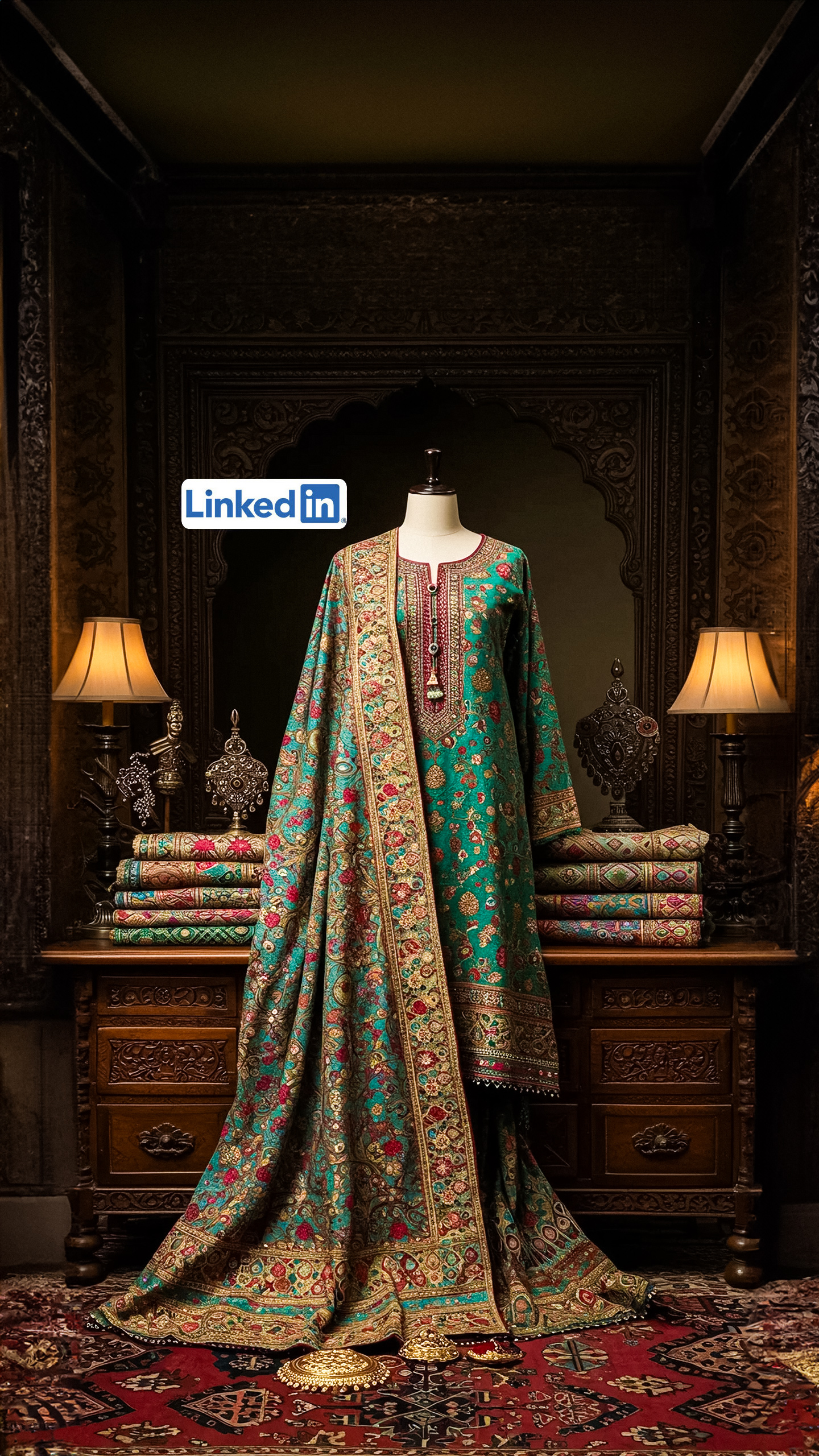
The aroma of Alphonso mangoes once signaled family gatherings and the joy of sifting through cousins' outgrown clothes. In those days, receiving hand-me-downs
like a sequined lehenga was a cherished event, worn repeatedly until passed along. This instinctual habit of re-wearing and valuing clothes has been largely overshadowed by the modern imperative to constantly acquire more, newer items, driven by a desire for immediate satisfaction. The simple pleasure of making clothes last, ingrained in childhood, now feels like a distant memory in the face of today's relentless fashion cycle. This personal anecdote sets the stage for understanding the cultural shift in our relationship with clothing.
Algorithmic Fashion Dictates
Contemporary fashion brands expertly leverage algorithms to cultivate a powerful sense of FOMO (Fear Of Missing Out), subtly suggesting that one's social standing or self-worth is directly tied to possessing the latest trends. This strategic manipulation of consumer anxieties has become a cornerstone of their success. Fast fashion emerges as a direct consequence of this dynamic, where rampant consumerism aligns with capitalist ambitions to maximize profits. This cycle is effectively fueled by a constant stream of trend-driven designs, creating an insatiable demand for newness and encouraging disposability. The textile industry in India is projected to reach a market value of $3.5 billion by 2030 in recycling, indicating a growing awareness and movement towards sustainable practices.
Embracing Personal Style
A significant paradigm shift is underway, with younger generations consciously embracing practices like rewearing and upcycling, mirroring a growing environmental consciousness. This is vividly illustrated by fashion influencers on platforms like Instagram who transform vintage Kanjeevaram sarees into contemporary corseted lehengas, garnering millions of views and promoting sustainability. For those hesitant about sewing, creativity is the only prerequisite for revitalizing a wardrobe. Simple acts like braiding old Ikat dupattas into mats or experimenting with eco-printing can result in unique, personalized items. These endeavors not only reduce textile waste but also foster a deeper connection with one's clothing, making each piece distinctly personal and environmentally responsible.
The Economics of Want
A fundamental economic principle dictates that human desires are insatiable, a concept that powerfully drives the fast fashion industry. The urge to purchase yet another seemingly identical item, like a basic black tank top, often feels automatic. However, effectively combating this cycle requires consumers to actively challenge this inherent drive and differentiate between genuine needs and fleeting wants. This discernment is a powerful tool in resisting the constant pressure to buy. Furthermore, practices like clothing swaps and mix-and-match styling, common in communal living situations, highlight that managing fast fashion is not solely an environmental imperative; it's also a prudent financial decision that extends the utility of one's wardrobe and fosters a sense of community sharing.
Sustainable Habits Cultivated
Adopting a more sustainable approach to fashion necessitates patience and deliberate effort, much like mastering any new skill. It involves researching personal style, gradually integrating eco-friendly habits, and reflecting on the impact of these changes. Stepping away from the environmentally taxing corporate fashion machine offers a tangible benefit. The textile industry, responsible for approximately 3.5 percent of global greenhouse gas emissions, predominantly relies on conventional materials that are often discarded. By actively choosing to extend the life of garments, we contribute to a more circular economy and reduce our environmental footprint. Sustainability is not a novel concept but a deeply ingrained aspect of our cultural heritage, now amplified by social media's pervasive reach.