




The Ube Phenomenon
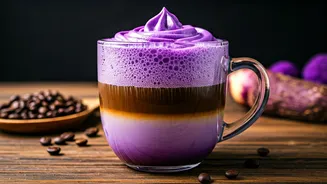
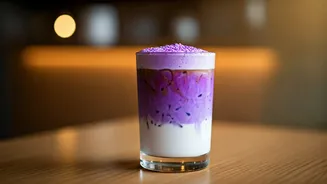
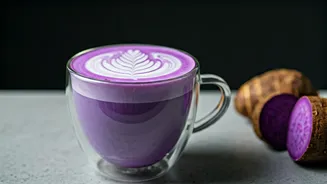
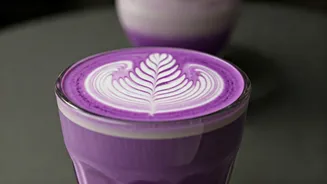
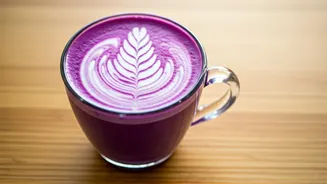
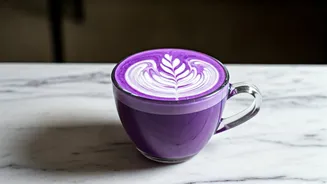
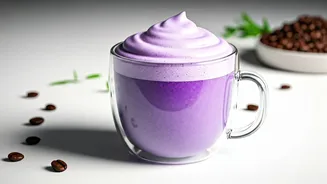
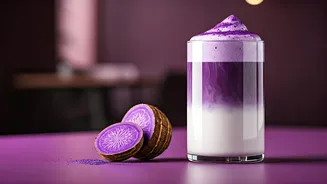
The culinary world has been captivated by ube coffee, a visually striking beverage that has rapidly ascended to viral status across social media platforms,
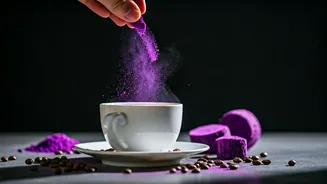
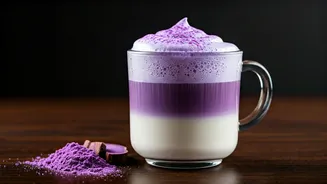
gracing feeds with its signature pastel purple hue. This eye-catching drink is rooted in Filipino tradition, where ube, a vibrant purple yam, is celebrated for its inherent sweetness, earthy undertones, and luxuriously smooth texture. Traditionally a star ingredient in cherished Filipino desserts such as rich cakes, creamy ice cream, and the classic 'halaya', ube has now successfully infiltrated the global coffee scene. Its transformation of the humble latte into an Instagram-worthy masterpiece highlights its appeal beyond mere taste, emphasizing its photogenic qualities. This meteoric rise prompts a crucial question: does this visually appealing trend offer genuine health advantages, or is it primarily a fleeting social media sensation?
Nutritional Breakdown
While the aesthetic appeal of ube coffee is undeniable, its health implications warrant closer examination. Dietician Dt Komal Malik clarifies that ube itself does possess beneficial components, noting its fiber content and antioxidant properties, which can contribute positively to digestive health and overall well-being. However, she cautions against viewing ube as a revolutionary superfood. The current widespread popularity, according to Dt Malik, is significantly fueled by its striking visual appeal and aggressive social media marketing. She emphasizes that while ube can add a modest nutritional boost in moderate quantities, it's crucial to maintain perspective; it's not a miracle ingredient. Therefore, while it offers some health advantages, its current widespread adoption appears to be more heavily influenced by its trend status.
Healthier Than Flavored Coffee?
Comparing ube coffee to standard flavored coffees reveals a nuanced picture regarding its healthiness. Dt Malik suggests that ube coffee *can* be a healthier choice, particularly if prepared with simplicity, as the real ube ingredient does contribute valuable fiber and antioxidants. The primary concern arises when cafés transform this natural ingredient into a dessert-like concoction. Many commercially prepared ube coffees are laden with significant amounts of added sugar, artificial syrups, and rich cream. When these elements are prevalent, the drink's health benefits diminish considerably, rendering it comparable to or even less healthy than many regular flavored coffees. Ultimately, the health quotient of ube coffee is entirely contingent upon its specific preparation and the quantity of sweeteners and fats introduced.
Considerations for Diabetics
The natural sweetness of ube often leads to the assumption that ube coffee is inherently suitable for individuals managing diabetes. However, Dt Malik stresses that the safety and impact of the beverage on blood sugar levels depend not solely on the ube itself but on the complete composition of the final drink. She advises consuming ube coffee with caution and in moderation, highlighting that the addition of sugar, cream, and excessive milk can rapidly escalate calorie intake and significantly elevate blood glucose levels. For those monitoring their weight or managing diabetes, both the ingredients used and the portion size are paramount. It is strongly recommended to opt for versions with minimal added sugar and to adhere to strict portion control to mitigate potential health risks.
Ube Coffee vs. Matcha
When contrasting ube coffee with matcha, another popular beverage dominating health-conscious café menus, matcha generally emerges as the more nutritionally superior option according to Dt. Malik. Matcha boasts a more substantial profile of scientifically validated health benefits, being exceptionally rich in antioxidants and potentially aiding metabolic processes. While ube offers its own set of advantages, including fiber and some antioxidants, these benefits are considered less pronounced compared to those attributed to matcha. In a direct comparison, matcha holds a slight edge in terms of overall health benefits, offering a more potent dose of beneficial compounds and a wider range of established wellness advantages.