






Ayurveda's Take
Ayurveda, the ancient Indian system of medicine, suggests that while copper-infused water can be beneficial, it's not universally suitable. Copper is considered
to possess a 'hot' and 'sharp' energetic quality, which can stimulate digestion. However, this same nature can potentially aggravate 'pitta dosha,' a fundamental bodily humor associated with heat and transformation. Consequently, individuals who naturally have a more 'hot' constitution or suffer from heat-related ailments might find copper water counterproductive. Ayurvedic recommendations emphasize a personalized approach to water intake, considering an individual's unique body type, current health status, and the prevailing season. Those with a pitta-dominant constitution are particularly cautioned, as regular consumption could lead to symptoms like increased acidity, uncomfortable burning sensations, skin irritations, or even nosebleeds, indicating an imbalance of the body's internal heat.
Kidney & Liver Concerns
Both contemporary medical understanding and time-honored traditions strongly advise caution for individuals with compromised liver or kidney functions when it comes to copper water. These vital organs play a crucial role in metabolizing and eliminating excess substances from the body. Copper, like other minerals, can accumulate over time. If the liver and kidneys are not functioning optimally, they may struggle to efficiently process and excrete surplus copper. This inefficiency can place an undue burden on these organs, potentially exacerbating existing conditions and, in severe instances, leading to a condition known as copper toxicity, which can have serious health repercussions. Therefore, a preemptive approach is essential for those with pre-existing hepatic or renal issues.
Diabetes & Children
The suitability of copper-infused water also extends to considerations for individuals managing diabetes and for young children. For those with diabetes, the presence of excess copper in the body could potentially have an impact on the delicate balance of blood sugar levels. Furthermore, it might impose additional stress on the circulatory system, particularly the blood vessels. In the case of young children, their digestive systems are still in a developmental phase. Consuming water stored in copper vessels, especially when their stomachs are empty, might prove too intense or harsh for their immature digestive tracts. For this age group, opting for simple, room-temperature water is generally considered the safest and most appropriate choice, allowing their bodies to process hydration without potential irritation.
Safe Consumption Practices
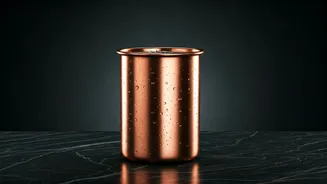
For those who choose to incorporate copper-infused water into their routine, mindful consumption is key. Experts suggest specific guidelines to maximize benefits while minimizing risks. Typically, water should be stored in a copper vessel for a duration of approximately 8 hours, but it is generally advised not to exceed 12 hours. This timeframe allows for adequate infusion without excessive leaching of copper. Furthermore, it's recommended to avoid continuous consumption. Taking a break after a period of regular use, such as three months, is a common suggestion. This intermittent approach helps to prevent the potential build-up of copper in the body, ensuring that the practice remains a beneficial one rather than a detrimental one.