



The Diet-Hair Connection
Your hair follicles operate like busy factories, requiring a constant supply of the right nutrients to function optimally. Your body prioritizes essential
organs, so if your diet is lacking, hair is the first to suffer. Think of your hair as a visible indicator of your internal health; its condition directly reflects your nutritional status. Understanding this connection is the first step to transforming your hair from the inside out. When you consistently provide your system with the building blocks it needs, your hair can move from a state of deficiency to one of robust growth and vitality. This isn't about quick fixes but about establishing sustainable dietary habits that support long-term hair health.
Protein & Healthy Fats: Building Blocks
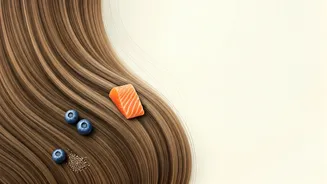
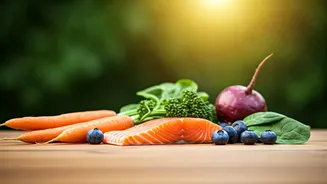
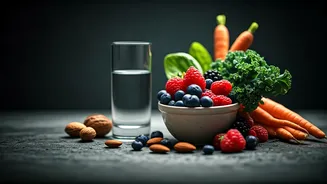
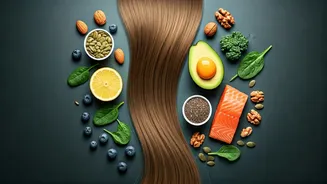
At the core of hair's structure is protein, specifically keratin. Insufficient protein intake prompts your body to prematurely push hair into shedding phases, leading to brittleness and thinning. To combat this, incorporate lean meats, eggs, fish, legumes, tofu, and Greek yogurt into your meals. Equally vital are Omega-3 fatty acids, which your body cannot synthesize but are crucial for scalp health. These fats empower the sebaceous glands around your hair follicles to produce natural oils, maintaining scalp hydration and hair silkiness. Enrich your diet with fatty fish like salmon, along with chia seeds, walnuts, and flaxseeds, to ensure your scalp remains a fertile ground for healthy hair growth.
Vitamins & Minerals: Essential Boosters
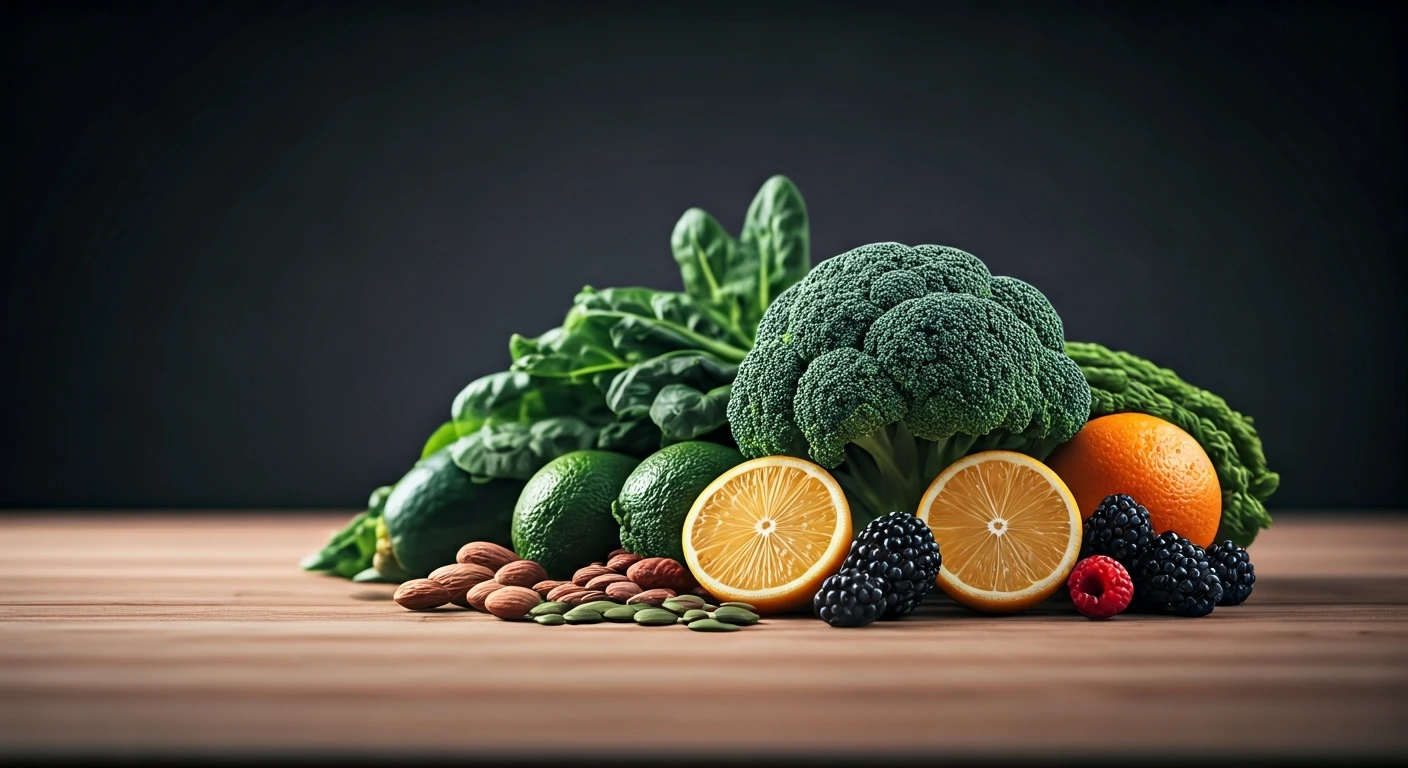
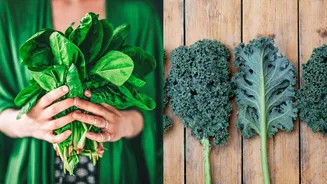
Micronutrients play a critical role in hair vitality. Iron is paramount, as its carrier, hemoglobin, delivers oxygen to hair roots. Iron deficiency is a common cause of hair loss, especially for women. Consume spinach, lentils, and red meat; for better absorption of plant-based iron, pair it with Vitamin C sources like lemon juice. Zinc is another vital mineral, responsible for repairing hair tissue and regulating oil glands, so a deficiency might explain unexplained shedding. Pumpkin seeds are a good source. B-vitamins, particularly Biotin (B7) and B12, are well-known for supporting keratin production and red blood cell formation. Vitamin C acts as an antioxidant, combating damage and aiding collagen synthesis for youthful, breakage-resistant hair. Vitamin D, obtained through sun exposure or fortified milk, is linked to the creation of new hair follicles.
Whole Foods Over Supplements
While supplements can seem like a quick fix, it's crucial to exercise caution. Excess intake of certain nutrients, like Vitamin A and Selenium, can paradoxically lead to hair loss. Scientific studies consistently demonstrate that nutrients are absorbed more efficiently by the body when consumed from whole foods rather than high-dose, isolated supplements. Unless a specific deficiency has been identified through medical testing, a balanced diet is the safest and most effective approach. Remember that hair growth takes time; visible improvements typically appear after three to six months of consistent, nutrient-rich eating, showcasing the power of patience and proper nourishment.