






The Comfort Beverage Phenomenon
In today's fast-paced world, a growing trend among Gen Z involves embracing specific beverages not just for their taste or caffeine, but as 'emotional
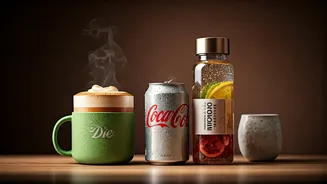
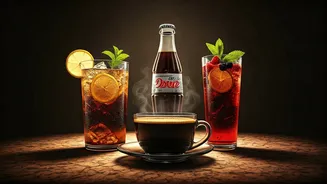
support' systems. Platforms like TikTok are flooded with young individuals sharing their experiences with iced coffees, Diet Coke, and other drinks that serve as a comforting ritual. These beverages have transcended their basic function to become a significant part of personal identity and a tangible method for managing the stresses and anxieties prevalent in modern life. For many, the act of preparing or ordering these drinks provides a moment of mindful calm, a grounding practice amidst unpredictable emotional landscapes. This phenomenon is intricately linked to a generation that is increasingly open about mental well-being and actively seeks accessible, everyday strategies for emotional regulation and self-soothing. The visual allure and shareability of these elaborately prepared drinks further cement their status as cultural touchstones in the digital sphere, highlighting a nuanced approach to self-care.
Psychology Behind the Sip
From a psychological standpoint, the concept of an 'emotional support' drink taps into fundamental human needs for comfort, predictability, and routine, particularly during periods of stress. Dr. Rimpa Sarkar explains that these beverages act as symbolic coping tools—familiar, readily available, and capable of providing immediate soothing sensations. Whether it's the warmth of coffee, the sweetness of a soda, or the unique flavour of bubble tea, these drinks offer a sense of control when external circumstances feel overwhelming. This isn't necessarily about the drink's composition but about what it represents: a reliable, personal anchor in uncertain times. This trend also reflects a broader societal shift, with increased awareness of mental health and the pervasive influence of the digital age on social interactions. These drinks can serve as small, tangible indulgences that foster a sense of personal agency and provide momentary pleasure, effectively acting as a modern adaptation of comfort-seeking behaviours tailored to contemporary life.
Gen Z's Sober-Curious Shift
Contrary to older generations' perceptions, Gen Z is increasingly distancing itself from alcohol as a primary coping mechanism, embracing a 'sober-curious' lifestyle. This shift is significant, as it challenges the long-held association between fun and social drinking. Studies indicate a notable decrease in alcohol expenditure among younger demographics, with UK research showing those aged 20-24 are significantly less likely to prioritize spending on alcoholic beverages compared to previous generations. Similarly, statistics from the US reveal that a smaller percentage of young adults regularly consume alcohol. This trend suggests Gen Z is prioritizing personal well-being and opting for healthier, non-alcoholic alternatives for stress relief. Consequently, 'emotional support' drinks serve as a clean, accessible, and socially acceptable way to navigate life's challenges, offering comfort without the negative associations or long-term health risks often linked to alcohol consumption.
Rituals and Identity Formation
The practice of consuming 'emotional support' drinks is deeply intertwined with ritual and the formation of personal identity, providing structure and a sense of self-soothing. Clinical psychologist Dr. Rimpa Sarkar elaborates that for many, these drinks become integral to daily routines, offering a predictable element that calms the nervous system and reduces anxiety. The simple act of engaging with the beverage—holding a warm cup, savouring a particular flavour, or taking a slow sip—can be a grounding sensory experience that brings focus to the present moment. Furthermore, articulating a drink as one's 'emotional support' is a way of acknowledging personal stress while normalizing self-care behaviours in a culturally acceptable manner. Social media plays a crucial role in amplifying this trend, transforming individual coping habits into relatable content that fosters a shared language around comfort and stress management. This creates a sense of community and validation for these chosen methods of emotional regulation.