








A Green Initiative
The Lucknow Municipal Corporation (LMC) has marked a pivotal moment by scientifically processing all the solid waste generated within the city. This remarkable
feat showcases the city's dedication to environmental stewardship and efficient waste management practices. The initiative underlines a concerted effort to minimize environmental impact and promote a cleaner, healthier urban environment. This accomplishment suggests a proactive approach to address the challenges associated with waste disposal, contributing significantly to improved sanitation and overall quality of life for Lucknow's residents.
Scientific Processing Explained
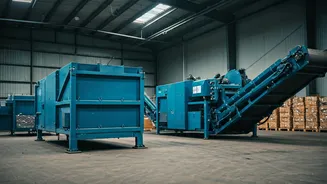
Scientific waste processing entails the application of advanced technologies and methodologies to handle solid waste effectively. It involves processes such as segregation, composting, and recycling, thereby reducing the volume of waste sent to landfills. This approach is aimed at extracting valuable resources from waste materials, transforming them into usable products like compost or energy. By adopting scientific processing techniques, Lucknow Municipal Corporation has effectively mitigated the environmental hazards associated with traditional waste disposal methods, such as open dumping and incineration, leading to cleaner air and water quality within the city.
Impact and Benefits
The successful implementation of scientific waste processing in Lucknow yields several positive outcomes. Firstly, it results in a substantial reduction in land pollution, safeguarding the city's soil and water resources. Secondly, it contributes to cleaner air by minimizing the release of harmful pollutants that are usually associated with improper waste disposal. Moreover, it fosters a culture of sustainability and resource conservation by promoting the reuse and recycling of materials. Furthermore, efficient waste management improves public health outcomes, preventing diseases linked to unhygienic conditions and waste accumulation. Ultimately, Lucknow's achievement sets a benchmark for other cities across India, illustrating how to create sustainable and livable urban environments.
Strategies and Implementation
The Lucknow Municipal Corporation probably employed a variety of strategies to attain the 100% scientific waste processing target. This may have included the establishment of waste segregation facilities, the acquisition of advanced recycling technologies, and the implementation of comprehensive composting programs. Moreover, the LMC may have engaged in public awareness campaigns to educate residents about waste management best practices and the significance of waste segregation at the source. Public-private partnerships could have played a crucial role in improving waste collection and processing infrastructure. Collaborative efforts involving government agencies, private sector entities, and community stakeholders have likely been instrumental in the success of this project, ensuring the efficient and effective management of solid waste across Lucknow.
Future Prospects
Looking forward, Lucknow's accomplishment in waste processing can be used as a foundation for further improvements. This includes the implementation of advanced technologies, the expansion of recycling programs, and the exploration of waste-to-energy initiatives to generate renewable resources. Further investments in research and development can bring more innovation in waste management practices, enabling a more sustainable environment. Also, continued education and training programs for waste management personnel will be essential to ensure the effective operation of these systems. Lucknow has the potential to become a leader in urban sustainability and serve as an inspiration for other cities looking to improve their environmental management practices.