



The Grease Struggle
Anyone who cooks regularly knows the battle against greasy splatters. After frying spices or cooking savory dishes, the kitchen surfaces – especially the gas
stove, adjacent tiles, and walls – often bear the brunt of unavoidable oil droplets. This makes post-meal cleaning a tedious, time-consuming chore that many dread. Traditional cleaning methods can be harsh and require considerable effort, and the persistent nature of these stains can be frustrating. The good news is that an effective solution might already be sitting in your pantry, negating the need for costly or specialized cleaning agents.
Salt: The Secret Weapon
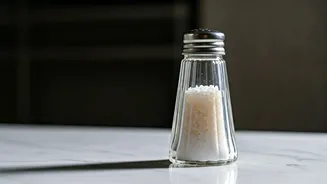
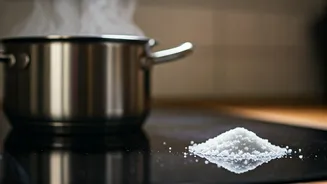
The core of this ingenious cleaning hack lies in a very common kitchen staple: salt. Instead of directly adding spices to hot oil, which triggers a vigorous splattering effect, a simple modification can revolutionize your cooking experience. The trick is to first heat the oil to a moderate temperature, then introduce a pinch of salt. Only after this preliminary step should you add your mustard seeds, cumin, or other tempering ingredients. This small alteration has a profound impact on reducing how much oil splashes out of the pan, thereby keeping your cooking environment significantly cleaner.
How Salt Works Magic
The science behind this salt trick is quite straightforward and relies on moisture absorption. When spices, particularly those containing moisture like fresh curry leaves or even improperly dried seeds, come into contact with hot oil, the rapid vaporization of water causes the oil to violently sputter and escape the confines of the pan. Salt acts as a desiccant; it absorbs the excess moisture present in the oil. By drawing out this moisture before the spices can fully interact with the high heat, salt effectively minimizes the sudden bursts of steam that lead to oil splatter. This means less mess on your stove, tiles, and walls, translating to a much more pleasant and efficient cooking and cleaning process.
Proactive Prevention Tips
Beyond the salt trick, several other practices can further enhance your kitchen's cleanliness during cooking. Ensuring that ingredients like curry leaves are thoroughly dried after washing is crucial, as any residual moisture will exacerbate splattering. Opting for medium heat rather than high heat also plays a significant role; it prevents spices from 'bursting' too aggressively and controls the intensity of oil splashes. Furthermore, always make sure spices such as cumin and mustard seeds are completely dry before adding them to hot oil. Implementing these small, preventative measures collectively contributes to a cleaner cooking environment and drastically reduces the effort required for post-meal cleanup.