
The Hidden Role of Muscle
Beginning around the age of 30, our bodies naturally start to lose muscle mass in a process called sarcopenia. While commonly associated with a decline
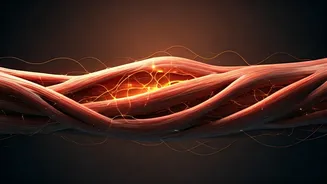
in physical strength and mobility, this gradual muscle deterioration has far-reaching consequences that often go unnoticed. Muscle tissue is not merely for movement; it functions as a critical organ vital for regulating our metabolism, managing blood glucose levels, and maintaining overall bodily resilience. The often-overlooked significance of muscle mass makes sarcopenia a silent yet impactful contributor to long-term health challenges, extending its influence well beyond simple physical limitations and affecting fundamental bodily processes.
Metabolism's Slowdown
Skeletal muscle stands out as one of the body's most metabolically active tissues, playing a significant role in energy expenditure. As muscle mass diminishes with age, the body's capacity to effectively absorb and utilize glucose decreases, leading to fewer calories being burned during periods of rest. This gradual reduction in metabolic activity contributes to an overall slowdown in metabolism, affecting how efficiently our bodies process energy. Dr. Kunal Sood explains that this decline in muscle means fewer cells are actively consuming ATP at rest, resulting in lower thermogenesis and reduced overall energy turnover, which collectively contribute to a sluggish metabolic rate over time.
Insulin Resistance Worsens
The primary function of skeletal muscle is to facilitate insulin-mediated glucose uptake, acting as the main pathway for glucose to enter cells from the bloodstream. When muscle mass declines, the body's efficiency in clearing glucose from circulation is significantly impaired. This necessitates the production of more insulin to achieve the same effect, a process that progressively exacerbates insulin resistance. Moreover, aging muscle can develop mitochondrial dysfunction, accumulate fat, and experience compromised insulin signaling pathways, all of which further contribute to the worsening of insulin resistance and increase the risk of metabolic disorders like type 2 diabetes.
Increased Fall Risk
Sarcopenia, the age-related loss of muscle, directly impacts foundational physical capabilities such as strength, power, balance, and even reaction times. These physiological changes compromise the body's ability to maintain stability and react effectively during movement, dramatically elevating the likelihood of falls. Studies indicate a clear correlation between muscle loss and a higher incidence of falls and subsequent fractures among older adults. Impairments in motor units and neuromuscular functions hinder the body's capacity to self-correct and stabilize, making everyday movements more precarious and increasing the risk of injury.
Lifespan Implications
A low muscle mass and reduced muscle function have been demonstrably linked to an increased risk of mortality from all causes. This association is largely attributed to diminished physiological reserves and increased frailty, which impair the body's ability to recover from illness or injury. Furthermore, sarcopenia often coexists with other detrimental health conditions such as chronic inflammation, metabolic dysfunction, and reduced mobility. These co-occurring issues compound the overall health risks, contributing to a shorter lifespan and a reduced quality of life in later years.