






The Slow Pull-Up Variation
Fitness enthusiast Milind Soman, known for his active lifestyle, recently shared a distinctive approach to performing pull-ups, describing it as '30 seconds
up, 30 seconds down.' This technique, which he incorporates into his routine, is a form of tempo training where the movement is intentionally slowed down. Fitness experts explain that this deliberate pacing significantly increases the time your muscles spend under tension. This extended engagement makes standard bodyweight exercises like pull-ups considerably more demanding and, consequently, more effective for building strength and endurance. The core idea is to move away from rapid repetitions and focus on controlled, sustained effort, thereby challenging the muscles in a new and beneficial way. It's a strategy that can elevate the effectiveness of a familiar exercise for anyone looking to push their fitness boundaries.
Muscle Gains & Control
Pull-ups are renowned for their effectiveness in targeting major upper body muscle groups, including the latissimus dorsi (lats), upper back, shoulders, and biceps. Crucially, they also engage the core muscles to maintain stability throughout the movement. When you adopt Milind Soman's '30 seconds up, 30 seconds down' method, you are essentially forcing these muscles to work continuously for an extended period. This prolonged effort is instrumental in improving both muscular strength and endurance, while also fostering better muscular control. The extended lowering phase, often referred to as the eccentric phase of the exercise, is particularly advantageous. During this phase, muscles are lengthened under load, which is a powerful stimulus for building greater strength and promoting beneficial muscle adaptations that lead to overall improvements in physical capacity.
Technique Refinement
For individuals who are actively working towards mastering the pull-up exercise, adopting a slow-tempo approach like Milind Soman's can be a significant aid in refining their technique. Moving at a deliberate pace encourages better posture throughout the entire range of motion, promotes more controlled and conscious breathing, and ensures a stronger engagement of the back muscles. This focus on control helps to prevent the common tendency of relying on momentum to complete the pull-up. By consistently practicing with this mindful approach, individuals can build the essential foundational strength and neuromuscular coordination required to progress towards performing more traditional, faster pull-ups with improved form and efficiency over time.
When to Try It
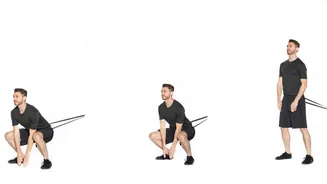
It's important to acknowledge that slow-tempo movements, such as the '30 seconds up, 30 seconds down' pull-up variation, can be exceptionally demanding on the body. Due to this increased intensity, this particular method may not be the most suitable starting point for absolute beginners who are new to pull-ups. Individuals who are just beginning their journey with pull-ups are often advised to start with more accessible variations. These might include using resistance bands to assist with the upward movement, focusing on negative pull-ups (where you jump to the top position and slowly lower yourself), or performing lat pulldown exercises on a machine. These foundational exercises help build the necessary strength and technique before progressing to more challenging tempo-based variations.
Mind Over Momentum
Milind Soman's innovative take on pull-ups serves as a compelling illustration of how subtle adjustments to exercise technique can dramatically amplify the effectiveness of familiar movements. The principle at play here is that prioritizing conscious control over sheer speed often leads to superior results. By focusing intently on engaging the target muscles and executing each part of the movement with precision, individuals can achieve better muscle activation. This heightened activation translates into greater strength gains and cultivates a deeper mind-muscle connection, which is crucial for optimizing any workout and ensuring that the intended muscles are doing the work. It's a testament to the power of mindful training.