
Introduction to Yoga Foods
The integration of food and yoga transcends mere dietary needs; it becomes a holistic practice. It underscores that what you consume profoundly impacts
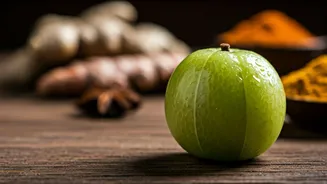
your physical and mental state, crucial for a yoga routine. Ayurvedic principles, deeply rooted in Indian culture, emphasize the significance of balancing the body's doshas (Vata, Pitta, and Kapha) through food. When preparing meals, opt for fresh, seasonal ingredients whenever possible. These items offer a wealth of nutrients, aiding in energy levels, enhancing digestion, and ensuring that you are fully present to enjoy your yoga practice. Consider incorporating various herbs and spices, which are integral in Indian cooking. They provide unique flavors and also boast numerous health benefits. Turmeric, for instance, has anti-inflammatory properties, while ginger aids digestion. Embracing mindful eating habits and consciously selecting foods that align with your yoga practice is key for optimal wellness.
Moong Dal Cheela Delight
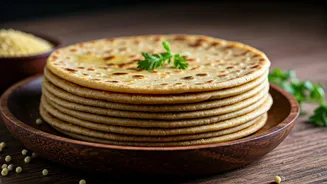
Moong dal cheelas are a delightful and easily digestible breakfast choice, perfect for a yoga enthusiast. To prepare these, start by soaking moong dal overnight, then blending it into a smooth batter. You can enhance the flavor with finely chopped onions, green chilies, and a pinch of salt. Cook the batter on a hot griddle, just like a pancake, until it becomes golden brown on both sides. Moong dal is renowned for its light nature and high protein content, making it an excellent source of energy for your yoga sessions. Serve these cheelas with a refreshing mint-coriander chutney or a dollop of yogurt for an added touch. It's a quick and fulfilling meal that is also packed with nutrients, keeping you energized throughout your day, including your yoga practice.
Upma: Quick Breakfast Option
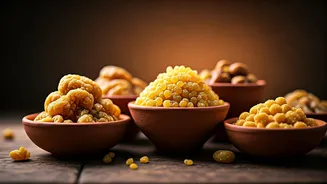
Upma, a south Indian savory dish, offers another quick and easy breakfast option. It is made primarily from semolina (rava), which is dry-roasted for a flavorful base. In a pan, sauté mustard seeds, urad dal, and curry leaves in oil. Then, add finely chopped vegetables like onions, carrots, and peas for an added nutritional boost. The roasted semolina is then mixed into this mixture, along with water. Simmer the mixture until the semolina absorbs the water and becomes fluffy. Upma's preparation is quick, taking just minutes, making it ideal for busy mornings. It is easily customizable; you can vary the vegetables and spices as per your preferences. It is also light and easy to digest, making it an excellent choice before or after a yoga session. Serving upma with a side of coconut chutney amplifies the taste experience.
Poha: Light & Wholesome
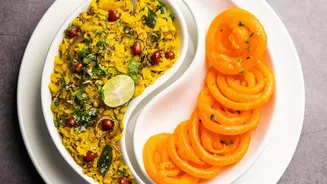
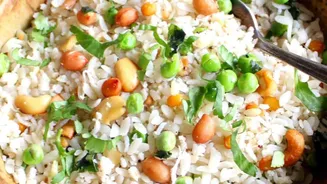
Poha is another popular Indian breakfast that is both light and wholesome. It is made from flattened rice (poha) that is soaked to soften it. In a pan, temper mustard seeds, curry leaves, and other spices in oil. Add onions, potatoes, and other vegetables based on your liking. The softened poha is then added to this mixture, along with turmeric, which gives it a vibrant color and adds anti-inflammatory benefits. Poha is a quick-cooking, easily digestible meal. It is a good source of carbohydrates, providing sustained energy without making you feel heavy. Garnishing with fresh coriander and a squeeze of lemon juice enhances the flavour and adds freshness. Poha is a satisfying and nutritious choice, perfect before or after a yoga session.
Vegetable Dalia Khichdi
Vegetable Dalia Khichdi is a one-pot meal, perfect for a balanced and nourishing lunch. Dalia (broken wheat) is combined with mixed vegetables, and lentils (usually moong dal) in this recipe. All ingredients are cooked together with spices until everything is soft and well-cooked. This dish is rich in fibre and protein, making it an excellent choice for a filling meal. The various vegetables provide an array of vitamins and minerals, while the dal and dalia provide sustained energy. It is gentle on the stomach and easy to digest, making it suitable before a yoga session, or as a post-yoga meal. It is a hearty, flavourful, and healthy dish, perfect for yogis looking for a nutritious and easily prepared meal.
Spicy Vegetable Curry
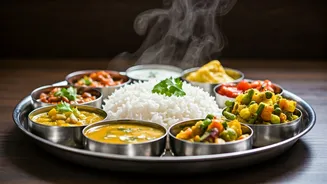
Spicy vegetable curries are a staple in Indian cuisine. They are made with a variety of seasonal vegetables and a blend of aromatic spices. Start by sautéing onions, tomatoes, and ginger-garlic paste. Then, add your choice of vegetables such as potatoes, cauliflower, peas, carrots, and beans. The spices, including turmeric, coriander, cumin, and chili powder, are added to create a fragrant base. Cook until the vegetables are tender. Vegetable curries are versatile and can be paired with rice, roti, or even quinoa for a gluten-free option. The vegetables provide essential nutrients, and the spices offer added health benefits. This dish is a great way to incorporate a variety of vegetables into your diet, fueling your body for yoga practice and everyday activity.
Lentil Soup: Protein Rich
Lentil soup, or dal, is a cornerstone of Indian cuisine, celebrated for its high protein content and ease of preparation. This soup features various types of lentils like masoor dal (red lentils) or toor dal (split pigeon peas). The lentils are cooked with onions, tomatoes, and aromatic spices such as cumin, coriander, and turmeric until softened. This comforting soup provides a hearty and filling meal. It is an ideal post-yoga meal, providing sustained energy and supporting muscle recovery. It is also packed with fiber, which aids in digestion and promotes a healthy gut. For added flavor and nutrients, you can add vegetables like spinach or carrots. A simple squeeze of lime and a garnish of fresh coriander will elevate its appeal.
Raita: Cooling & Digestive
Raita is a creamy and refreshing side dish that complements spicy Indian meals perfectly. It consists of yogurt, which is known for its probiotic benefits, combined with various vegetables such as cucumber, tomatoes, and onions. Some recipes may add roasted cumin powder, coriander, and a pinch of salt to enhance the flavour. Raita is a great source of calcium and helps to balance the heat from spicy curries. Its cooling properties also aid in digestion, making it a perfect addition to your meals. Raita is also a quick and easy dish to prepare, adding a light and refreshing element to your meals, making it a valuable addition to any yoga enthusiast's diet.
Khichdi: Simple Comfort
Khichdi, a simple yet nourishing dish, is known for its easy digestibility and is a staple in many Indian households. It typically consists of rice and lentils (moong dal) cooked together with a blend of spices. This dish is often prescribed during times of illness because of its light and comforting nature. Khichdi provides essential nutrients and is easy on the digestive system. You can easily adapt it by adding vegetables to boost its nutritional value. Its simplicity makes it ideal for a quick meal. The ease of digestion makes it an excellent choice for those practicing yoga. Khichdi is a perfect example of balanced and wholesome Indian food.
Fruit Salad: Refreshing Treat
A fruit salad offers a refreshing and nutrient-rich dessert or snack option. Incorporate various seasonal fruits such as bananas, apples, oranges, and berries. This salad is a powerhouse of vitamins, minerals, and antioxidants. It provides a natural source of energy and hydration, making it an excellent choice for pre- or post-yoga consumption. Consider adding a squeeze of lemon juice or a sprinkle of mint to enhance its flavour. The fruit salad is also light and easy to digest, which makes it perfect for those wanting a light snack or dessert. Eating a fruit salad not only satisfies your sweet cravings but also provides vital nutrients. Fruit salad is a simple way to incorporate a variety of fruits in your diet.