






The Digital Double Life
In our hyper-connected world, social media platforms have evolved from simple communication tools into stages for self-presentation. While initially fostering
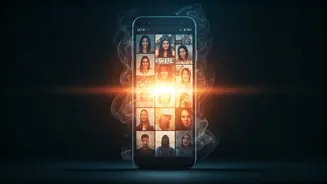
genuine connections, these spaces have increasingly become arenas for showcasing an idealized existence. Experts highlight that this shift from authenticity to an aesthetic-driven environment imposes a significant mental load. We are compelled to manage not just our real-world selves but also a meticulously crafted digital persona. This constant dual existence, where the virtual self is polished and perfected, requires immense energy and can lead to profound emotional exhaustion over time. The pressure intensifies as online presentation often becomes linked to influence and even livelihood, making the maintenance of this flawless facade a demanding, ongoing task.
FOMO and Filtered Realities
The pervasive presence of curated content on social media breeds 'FOMO,' or the fear of missing out. Witnessing others' seemingly flawless vacations, achievements, and lifestyles can trigger feelings of inadequacy and anxiety, creating a relentless cycle of comparison. This effect is amplified by the widespread use of filters and editing tools, which present an unrealistic, aesthetically pleasing version of life. The chasm between these idealized online portrayals and individual realities can foster a sense of disconnect and dissatisfaction. This continuous effort to maintain a facade, to align with or surpass the perceived perfection of others, is inherently draining, contributing significantly to the emotional fatigue experienced by many users.
Emotional Fatigue and Identity
Prolonged immersion in the pursuit of online perfection can lead to a state of emotional fatigue, characterized by irritability, a lack of motivation, and an overwhelming sense of being drained. This exhaustion is a direct consequence of the sustained stress involved in managing a dual existence – the authentic self versus the curated digital persona. Dr. Vaishaly Bharambe notes that this constant effort can blur the lines of identity, with individuals sometimes starting to believe in the online persona they've constructed. When reality inevitably fails to match this idealized image, significant emotional distress can follow. Furthermore, dedicating more time to perfecting a filtered version of life can diminish self-awareness and weaken genuine emotional connections, potentially impacting real-world relationships and overall emotional stability.
Reclaiming Authenticity
To combat the mental and emotional strain of curating a perfect online life, experts advocate for a conscious redirection of focus. It is crucial to recognize that social media often displays only the highlights, omitting the complexities and imperfections of everyday existence. Strategies to mitigate this hidden mental load include establishing clear boundaries around social media usage, cultivating self-compassion, and prioritizing authentic, real-life connections over the pursuit of online validation. By consciously choosing to embrace authenticity over the relentless pursuit of aesthetics, individuals can foster a healthier relationship with technology, reconnect with their true selves, reduce emotional exhaustion, and build more meaningful interactions both online and offline.