






The 'Good Girl' Conditioning
From a young age, women are often guided by societal expectations to be agreeable, accommodating, and emotionally compliant. This constant emphasis on politeness
and avoiding conflict can lead to an ingrained habit of prioritizing others' needs and feelings above their own. Over time, this 'good girl' conditioning becomes deeply embedded, shaping behavior and making it difficult to express personal desires or dissent. While this approach might create an illusion of harmony externally, it can foster significant internal turmoil, as unaddressed stress and emotions don't simply vanish but tend to manifest in other areas of one's physical and mental landscape. This persistent internal conflict, driven by the need to maintain an outward appearance of being 'good,' sets the stage for various health challenges.
Chronic Stress & Cortisol
The relentless pursuit of being 'good' and avoiding confrontation can keep a woman's nervous system in a perpetual state of high alert. This constant internal pressure signifies to the body that it is unsafe to assert boundaries or express a dissenting opinion, leading to a sustained experience of stress. Consequently, cortisol levels, the body's primary stress hormone, remain elevated. Prolonged exposure to high cortisol can wreak havoc on bodily functions, significantly disrupting regular sleep patterns, depleting energy reserves, and even interfering with healthy weight management. This chronic elevation of stress hormones is a direct consequence of suppressing genuine reactions in favor of maintaining a 'good girl' facade.
Thyroid Imbalances Emerge
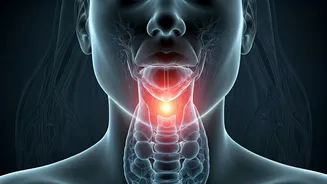
When emotions, particularly those like anger or the need for self-expression, are consistently suppressed, their effects can manifest physically, often around the throat area. Hormone coach Poornima Peri highlights that the act of stifling one's voice or emotional outbursts can place undue strain on the thyroid gland. This vital endocrine organ, responsible for regulating metabolism and numerous other bodily functions, becomes a focal point for the physical toll of unexpressed emotions. Research has also lent credence to this connection, suggesting that the physiological stress associated with emotional suppression can indeed impact thyroid health, leading to imbalances that affect overall well-being.
Digestive Distress Signals
The human gut is intricately linked to our emotional state, acting as a sensitive barometer for our internal feelings. When emotions are held back or not processed effectively, the digestive system can bear the brunt of this internal struggle. Symptoms such as persistent bloating, excessive acidity, and conditions resembling Irritable Bowel Syndrome (IBS) are frequently observed. These digestive disturbances are the body's way of reacting to unprocessed emotions. Scientific understanding supports this, indicating that when the body perceives stress, it can slow down or even halt digestive processes to redirect essential energy toward addressing the perceived threat, highlighting the profound gut-brain connection.
Hormonal Havoc and Fatigue
The continuous effort required to adapt, appease, and maintain a consistently 'good' demeanor is incredibly energy-intensive. This perpetual state of managing external expectations and suppressing internal feelings prevents the body from engaging in essential restorative and healing processes, trapping it in a 'survival mode.' This ongoing stress can lead to significant hormonal imbalances, diminish overall stamina, and result in persistent, debilitating fatigue. Studies have explored how chronic stress negatively impacts the endocrine system, contributing to this state of low energy and hormonal dysregulation, further exacerbating the health consequences of the 'good girl syndrome'.
Anxiety and Exhaustion
Living by the code of constant niceness leaves virtually no space for genuine rest, self-care, or authentic self-expression, creating fertile ground for anxiety to take root and flourish. This perpetual state of people-pleasing can lead to profound emotional exhaustion, where individuals feel utterly depleted. While the outward appearance might suggest calmness and composure, the internal reality is often one of profound burnout and inner drain. This disconnect between internal experience and external presentation is a hallmark of the 'good girl syndrome,' where the energy required to maintain the facade leads to significant mental and emotional fatigue.
The Path to Authenticity
The core message from experts like Poornima Peri is that genuine healing doesn't stem from doing more or striving harder; it originates from embracing honesty and authenticity. The process of recovery begins when individuals consciously choose to shift their focus from constantly being 'good' for others to being truthful and real with themselves. This involves paying close attention to the body's signals and, crucially, listening to the emotions that have been historically suppressed or ignored. By prioritizing self-awareness and acknowledging one's true feelings, women can begin to dismantle the 'good girl syndrome' and embark on a path toward holistic well-being.