






Embrace Balcony Gardening
Balcony gardens provide a fantastic means to incorporate nature into urban living, offering a refreshing contrast to concrete environments. The act of gardening
offers relaxation and fulfillment, allowing individuals to connect with the natural world and watch plants flourish. Starting a balcony garden is not as complicated as it seems; it can transform a small space into a visually appealing and peaceful retreat. Consider the available sunlight, wind exposure, and space when choosing plants to cultivate. Proper planning is necessary for a successful garden. Balcony gardening also contributes to cleaner air and reduces stress. With some knowledge and dedication, even compact balconies can become flourishing gardens, enhancing homes with natural beauty and providing a personal sanctuary.
Succulents: Low Maintenance
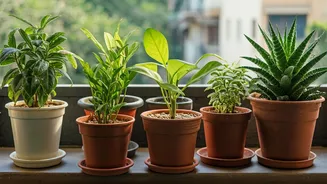
Succulents are excellent choices for Indian balconies since they require little maintenance and are highly adaptable. Their ability to conserve water means they can tolerate the hot, arid climate frequently found in many Indian cities, rendering them perfect for busy individuals or those new to gardening. These plants feature various shapes and textures, and their leaves frequently showcase bright colors. Popular examples include aloe vera, known for its medicinal benefits, and various types of echeverias that can brighten up the garden with their rosettes. Succulents thrive in well-draining soil and need minimal watering, which is generally done when the soil is completely dry. Direct sunlight is the best for optimal growth, ensuring the plants receive adequate exposure to create a thriving environment.
Herbs: Fresh Flavors
Growing herbs on a balcony not only adds greenery but also offers the opportunity to enjoy fresh, fragrant ingredients in daily cooking. Herbs like basil, mint, coriander, and curry leaves are particularly well-suited for Indian climates and are simple to grow in pots. These herbs require good sunlight, typically at least six hours daily, and regular watering. The practice of picking leaves regularly encourages new growth, and the fresh aroma adds a wonderful sensory experience to the balcony. Apart from culinary uses, many herbs have therapeutic properties, providing fresh produce directly accessible at home. Using well-draining soil and a balanced fertilizer, herbs will thrive and provide a constant supply of flavors to your kitchen.
Flowering Plants: Beauty Blooms
Flowering plants offer a splash of color and vibrancy to the balcony, instantly uplifting the atmosphere. Marigolds, petunias, and pansies are popular choices that thrive in Indian weather. These plants need direct sunlight for optimum flowering and should be watered regularly. It is essential to choose plants that are suitable for your balcony's sunlight exposure. In addition, deadheading, which involves removing wilted flowers, encourages the production of new blooms. A variety of flowering plants not only bring visual pleasure but also attract pollinators such as butterflies and bees, contributing to the biodiversity of the balcony garden. Consistent care ensures these plants continue to provide colorful displays throughout the season.
Climbing Vines: Vertical Appeal
Climbing plants and vines can transform a plain balcony into a verdant retreat, providing shade and visual interest. Plants like the jasmine and bougainvillea are well-suited for Indian climates. These plants need support structures like trellises or railings to climb effectively. They require sunlight, with jasmine preferring partial shade, and must be watered regularly, especially during hot weather. The fragrant flowers of jasmine and the bright bracts of bougainvillea add both beauty and privacy to the balcony. Pruning is essential to manage growth and stimulate flowering. Vertical gardening is a smart technique to maximize space, enabling even small balconies to feel more spacious and lush. With careful support and maintenance, climbers become beautiful focal points.
Vegetables: Homegrown Goodness
Growing vegetables on a balcony is a great way to enjoy fresh produce while adding greenery to your living space. Certain vegetables, such as tomatoes, chilies, and spinach, can thrive in pots and are well-suited for the Indian climate. They require adequate sunlight, usually at least six hours a day, and regular watering. Using a balanced fertilizer and well-draining soil, along with protecting the plants from pests, are crucial. The satisfaction of harvesting your own vegetables adds a new dimension to home gardening. Vegetables not only give nutritious food but also add visual variety, with different colors and textures enhancing the balcony’s appeal. By creating a space for growing vegetables, you are also making a step towards sustainable living.
Tips for Success
To have a thriving balcony garden, consider several practical tips. Choose the right pots and containers, making sure they have drainage holes to avoid root rot. Use a high-quality potting mix that provides the proper nutrients and drainage for your plants. Water your plants regularly, but avoid overwatering, as this is a common mistake. Regular fertilization will provide the nutrients your plants require to flourish. Protect your plants from pests and diseases with natural methods, such as neem oil. Take care of the sunlight exposure on your balcony and choose plants accordingly. Enjoying your garden and the pleasure it brings. A successful garden provides a relaxing haven, and the small effort involved pays off with beauty, fresh produce, and a closer connection with nature.