






Gut Health Under Siege
The soaring temperatures of the 2026 heatwave significantly impact your digestive system, making you more susceptible to dehydration, foodborne illnesses,
and acid-related issues. Bacteria flourish in the heat, so ensuring food is safe to eat is paramount. Proactive measures concerning your diet and hydration can shield your gut during this challenging period. Always opt for safe, clean drinking water; oral rehydration solutions (ORS) are excellent for replenishing lost electrolytes. Favor light, freshly prepared meals like steamed dishes or curd rice, which are easy on your stomach. Incorporate natural probiotics such as yogurt to support a healthy gut microbiome. Maintain rigorous hand hygiene before meals and after using the restroom. Proper food storage is also key – consume meals promptly and ensure they are kept at appropriate temperatures. For fruits, choose whole ones over pre-cut or packaged varieties to reduce the risk of contamination. Conversely, steer clear of street food or items left out at room temperature for extended durations. Spicy, oily, and deep-fried foods should be avoided as they can aggravate acidity and indigestion. Limit sugary, caffeinated, and fizzy drinks, as they can exacerbate dehydration. Never consume untreated water or ice from questionable sources. Avoid large, heavy meals, as digestion becomes more strenuous in high heat. Crucially, don't disregard symptoms like diarrhea, vomiting, stomach pain, or persistent acidity; seek medical attention immediately if they occur.
Eye Protection Essentials
Commuting amidst the peak summer heat of 2026 poses a significant threat to your eyes, with factors like sun glare, dust, and prolonged exposure to air conditioning contributing to dryness, redness, irritation, and potential infections. To combat this, always wear UV-protective sunglasses when venturing outdoors. For extended journeys on bikes or long walks, wraparound sunglasses offer superior protection against both harsh sunlight and pervasive dust. Maintaining hydration is vital, as is making a conscious effort to blink more frequently, particularly in air-conditioned environments, to keep your eyes lubricated. Regularly cleaning your eyewear will prevent blurred vision and unnecessary eye strain. It is imperative to resist the urge to rub your eyes, even if they feel itchy or watery, as this can intensify irritation and increase the likelihood of infection. Furthermore, avoid positioning yourself directly in the path of air-conditioning vents, as this accelerates eye dryness. Over-the-counter eye drops used to alleviate redness should be approached with caution; always consult a doctor before use, as some can inadvertently worsen dryness.
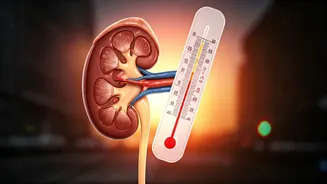
Kidney Health Vigilance
The extreme heat and resulting dehydration can place immense strain on your kidneys during the 2026 heatwave, elevating the risk of kidney stones, urinary tract infections, and other serious complications. Prioritizing proper hydration and effectively managing your body's electrolyte balance are fundamental steps in preventing kidney distress. Ensure you consume adequate fluids throughout the day, especially if you're experiencing heavy perspiration, as this aids your kidneys in filtering toxins and maintaining optimal function. Incorporate fluids that help restore electrolytes, such as coconut water or oral rehydration solutions (ORS), to sustain energy levels and ward off fatigue. It is crucial to recognize when to take a "sick day" and, under medical guidance, adjust your medications if you experience dehydration or heat-related stress. Urinating regularly is another important practice, as it helps to flush out toxins and reduces the likelihood of developing kidney stones and infections. Never disregard the warning signs of dehydration, including dark-colored urine or feelings of dizziness, as dehydration can severely compromise kidney function. Exercise caution with medications like diuretics or NSAIDs, as they have the potential to exacerbate dehydration or kidney strain. Do not allow your urine to become overly concentrated; insufficient hydration is a primary contributor to kidney stone formation. Avoid excessive fluid loss through perspiration without promptly replenishing your body with water or electrolyte-rich beverages.