




The Power of Glutes
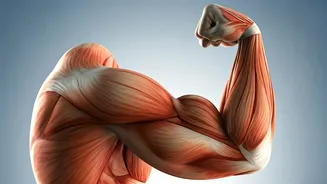
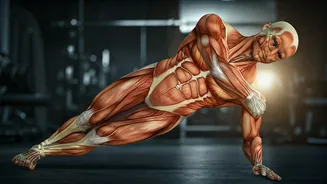
The gluteal muscles, comprising the gluteus maximus, medius, and minimus, are fundamental to lower body function and stability. These powerful muscles are crucial
for everyday movements such as walking, running, rising from a seated position, and ascending stairs. Their role extends beyond basic locomotion; they are primary stabilizers for the pelvis and the entire lower body, ensuring efficient and controlled motion. Strengthening these muscles contributes significantly to overall physical performance, injury prevention, and improved posture. Understanding their importance is the first step in optimizing workouts for a well-rounded and functional physique.
Hailey's Advanced Bridge
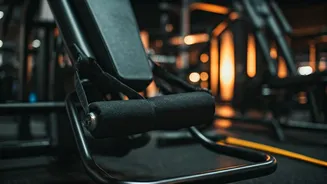
Hailey Bieber recently showcased an advanced iteration of the glute bridge on her social media, demonstrating a method to intensify this popular exercise. This variation involves strategic placement of gym equipment to maximize glute engagement. She utilized two workout benches positioned a torso's length apart, resting her upper back on one and her feet on the other, adopting a wide stance. To further challenge her muscles, she incorporated a resistance band around her thighs, encouraging outward pressure against it, and placed a substantial dumbbell across her pelvis. The exercise was performed deliberately, with slow, controlled movements, highlighting a focus on muscle activation and overload.
Glute Bridge Basics
The fundamental glute bridge is a highly effective bodyweight exercise that primarily targets the glutes, hamstrings, core, and lower back muscles. Performed by lying on your back with knees bent and feet flat on the floor, the movement involves lifting the hips towards the ceiling. This simple yet potent exercise is excellent for correcting muscular imbalances, alleviating lower back discomfort, and activating the posterior chain muscles. It's an accessible exercise that requires no equipment, making it suitable for individuals of all fitness levels, from beginners looking to build a foundational strength to those aiming to enhance their performance in more complex lifts.
Performing a Glute Bridge
To execute a standard glute bridge, begin by lying on your back with your knees bent and feet positioned flat on the floor, ensuring they are hip-width apart and about 6 to 12 inches from your glutes. Engage your core muscles and squeeze your glutes as you lift your hips off the ground. Continue this upward movement until your body forms a straight line from your shoulders to your knees. Hold this peak position for one to two seconds before slowly lowering your hips back down. It's crucial to avoid hyperextending your back or pushing off solely with your toes; focus on driving through your heels and activating your glutes. Aim for sets of 10 to 15 repetitions, completing three sets.
Key Glute Bridge Benefits
The glute bridge offers a multitude of advantages, foremost among them being direct glute activation. It effectively strengthens the gluteus maximus and medius, which are vital for posture and generating power in exercises like squats and deadlifts. Furthermore, it significantly enhances core stability by engaging the abdominal muscles, thereby helping to mitigate lower back pain. The exercise also plays a role in improving hip mobility, counteracting the stiffness often caused by prolonged sitting, and preparing the hips for greater range of motion. A major advantage is its accessibility, as it requires no equipment, making it a perfect entry point for building a strong foundation for more advanced training.
Glute Bridge Variations
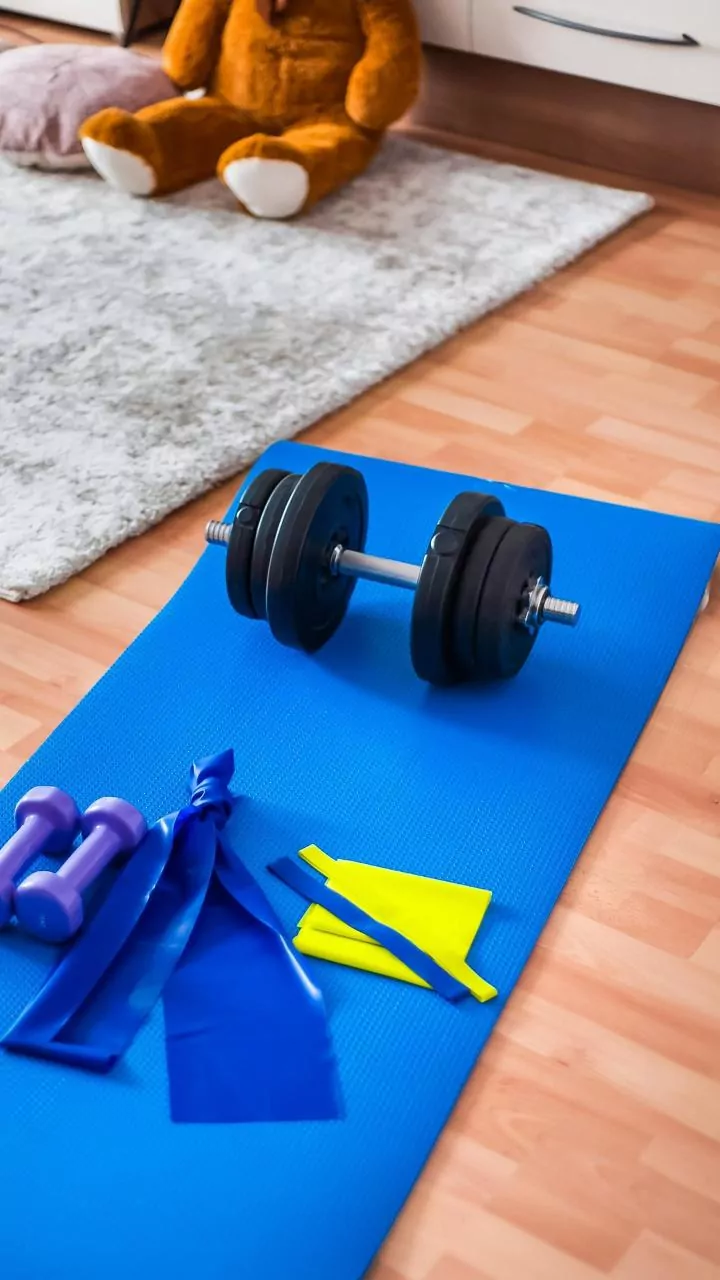
Beyond the standard form, the glute bridge can be modified to target specific muscle groups and increase intensity. The single-leg variation involves extending one leg straight up and performing the bridge, then switching sides, typically for 8-12 reps per leg. A marching glute bridge entails lifting the hips and then alternately bringing one knee towards the chest as if marching in place. For an inner glute focus, the frog bridge involves bringing the soles of your feet together and letting your knees fall outward. Adding resistance is also common: weighted glute bridges involve placing a barbell or dumbbell across the hips, while banded glute bridges use a resistance band above the knees, pushing outwards against it. An elevated glute bridge, similar to Hailey's approach, places the shoulders on a bench, with feet on the ground or a raised surface.