


Traditional Cooking's Oil Reliance
Oil is an indispensable component of Indian culinary practices, playing a crucial role in everything from preparing everyday vegetable dishes and flavourful
tempering for lentils to frying crispy snacks. Its presence is fundamental to achieving the authentic tastes and textures that define Indian cuisine. However, the health implications associated with excessive oil consumption, particularly for individuals with pre-existing health conditions like heart disease, are well-documented. Medical advice often includes reducing oil intake as a key strategy for managing health issues, especially as people age. This has long presented a dilemma for many, balancing the necessity of oil in cooking with growing health concerns.
The Cold-Pressed Awakening
A significant transformation is now evident in Indian households, where consumers are transitioning from convenience-driven choices to more deliberate and well-informed decisions regarding their food. As consciousness around food origins and processing methods expands, there's a heightened interest in products featuring transparent labels. Edible oils, particularly those extracted through cold-pressing, are at the forefront of this movement. This method involves mechanical extraction without excessive heat, preserving the oil's natural aroma, taste, and beneficial compounds like sterols and carotenoids. Once a less prominent ingredient, cold-pressed oils are now being scrutinized for their inherent qualities and suitability for modern, health-aware cooking.
Understanding Cold-Pressed Extraction
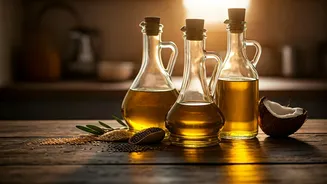
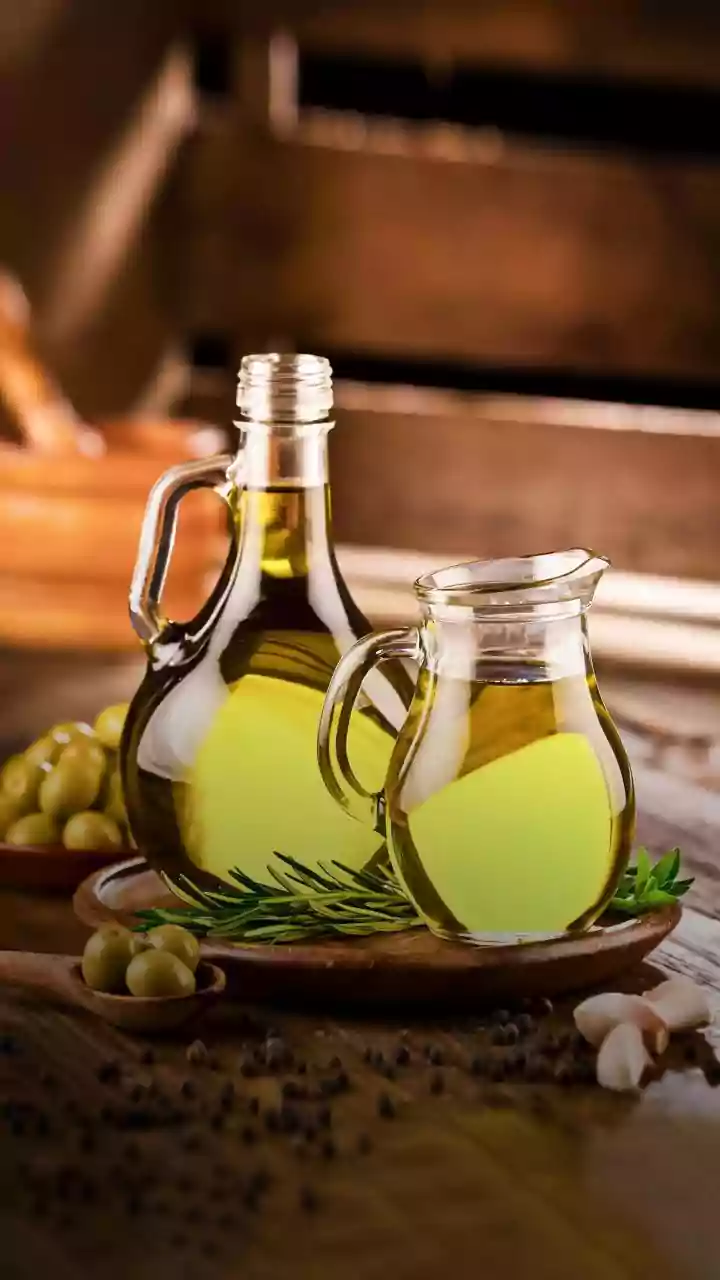
Cold-pressed oils are derived through a mechanical process where pressure is applied to seeds or fruits at relatively low temperatures. This gentle extraction technique ensures that the oil retains its integrity, closely mirroring its natural state. Consequently, it preserves the oil's inherent flavour profile, distinct aroma, and valuable naturally occurring bioactive components, such as beneficial sterols, phenolic compounds, and vibrant carotenoids. In the context of Indian kitchens, cold-pressed varieties like groundnut, sesame, and mustard oils are not new; they have a long-standing tradition of being cherished for their unique sensory characteristics and integral role in regional and seasonal cooking. Their established presence in traditional food practices is now synergizing with contemporary nutritional insights.
Why the Popularity Surge?
For a growing number of individuals, understanding the method of oil extraction is becoming as important as its performance in culinary applications. Simultaneously, increased awareness regarding essential fatty acids, such as linoleic acid (LA) and alpha-linolenic acid (ALA)—nutrients the human body cannot produce independently—is encouraging a more holistic approach to dietary choices. This enhanced understanding fuels discussions about rotating different types of oils or using a combination of sources to achieve a more comprehensive nutritional intake across meals. The appeal of cold-pressed oils lies in their perceived naturalness and the preservation of nutrients, aligning with a desire for cleaner, more wholesome food preparation.
Blended Cold-Pressed Oils
Building upon the principle of dietary diversity, multi-source cold-pressed edible oils, such as blends combining groundnut with sesame or safflower oils, are capturing consumer interest. These carefully formulated mixtures bring together the distinct attributes of different seeds, offering a balanced profile of flavour and essential fatty acids, while maintaining versatility for everyday cooking needs. When manufactured with meticulous attention, these blends successfully retain the inherent qualities of each constituent oil, rendering them suitable for a wide array of cooking methods. For consumers, these blends present a straightforward and practical avenue to incorporate variety into their daily meals without added complexity.