






The Daily Digestive Peak
Pulses are a nutritional powerhouse, offering abundant protein, fiber, and essential nutrients, making them both health-promoting and economical. However,
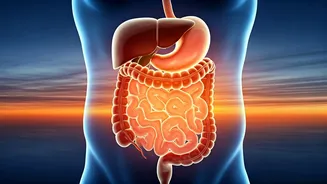
many shy away from them due to post-meal uneasiness. Experts clarify that the issue often lies not with the pulses themselves, but rather with *when* and *how* they are consumed. According to Simrat Kathuria, a renowned Dietitian and Wellness Coach, our body's digestive and metabolic systems are at their zenith during daylight hours, particularly from late morning through early afternoon. This is why lunchtime emerges as the prime time for pulse consumption. During this period, the body is far more adept at processing complex carbohydrates and plant-based proteins, significantly mitigating common issues like gas, bloating, and a feeling of heaviness after eating. This principle aligns perfectly with the long-standing Indian culinary tradition of serving dal as a midday meal rather than an evening one.
Evening and Morning Considerations
As the day progresses and the body prepares for rest, its digestive processes naturally decelerate. Consuming fiber-rich and protein-dense foods like pulses late in the evening can place an undue burden on the digestive tract. Ginni Kalra, Head of Dietetics at Aakash Healthcare, elaborates that digestion slows considerably at night. Consequently, heavier varieties of pulses such as rajma, chole, and whole dals can lead to bloating and discomfort if eaten too close to bedtime. Lighter options like moong or masoor dals might be tolerated if consumed at least two to three hours before retiring, and in more modest portions. For many, starting the day with substantial pulses like rajma or chole isn't advisable, as it can feel overwhelming for the digestive system. However, lighter preparations like moong dal chilla or a small serving of sprouts might be suitable for some, provided they do not cause any initial discomfort. Ultimately, paying close attention to individual digestive tolerance is paramount, especially for those with conditions like acidity, IBS, or generally sensitive digestive systems.
Preparation for Digestibility
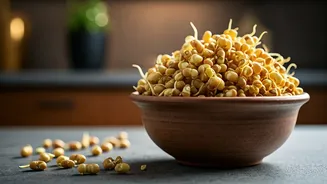
Beyond the timing, the preparation methods for pulses are equally crucial for optimal digestion, as emphasized by both Simrat Kathuria and Ginni Kalra. Soaking whole pulses for a minimum of 6 to 8 hours is a key step, as it effectively reduces anti-nutrients like phytic acid and significantly enhances digestibility. Further processes such as sprouting and pressure cooking also contribute to breaking down complex fibers, thereby improving nutrient absorption. Even a shorter soaking period of three to four hours can be beneficial, helping to lower starch content and prevent stomach upset. These practices are integral to making pulses more amenable to our digestive systems, ensuring that their nutritional benefits can be reaped without the accompanying discomfort.
Spice Synergy for Gut Health
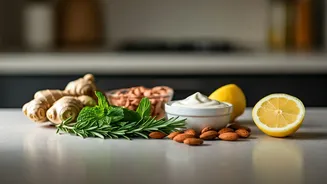
The traditional Indian practice of incorporating specific digestive spices into pulse preparations is rooted in sound physiological principles, as highlighted by Ginni Kalra. Spices such as jeera (cumin), hing (asafoetida), ginger, ajwain (carom seeds), and haldi (turmeric) are not merely for flavor. These potent ingredients actively stimulate digestive enzymes, which in turn help to minimize gas production. Simrat Kathuria concurs, noting that these culinary additions not only aid in maintaining gut balance but also amplify the overall flavor profile and the body's capacity to absorb nutrients from the pulses. This synergistic approach transforms pulses into a more easily digestible and highly beneficial component of the meal.
Balancing Your Plate
While pulses are undeniably healthy, it's important to consume them in moderation as part of a balanced meal, as Ginni Kalra advises. Dal should ideally complement the meal rather than dominate it. A standard serving, accompanied by one to two rotis or a modest portion of rice, along with a good measure of vegetables or salad, constitutes an ideal combination. Simrat Kathuria further elaborates that integrating pulses with cereals and vegetables not only enhances the absorption of essential amino acids but also promotes smoother digestion. By adopting these thoughtful approaches to timing, preparation, and portion control, one need not fear pulses or exclude them from a healthy diet. When consumed with appropriate timing and preparation, pulses actively support gut health, metabolic equilibrium, and overall well-being, allowing them to be the nourishing and comforting food they were always intended to be.