
Punjabi Food: The Basics
Punjabi cuisine is characterized by its bold flavors, generous use of ghee, and rich gravies. Dishes often include a variety of lentils (dal), vegetables,
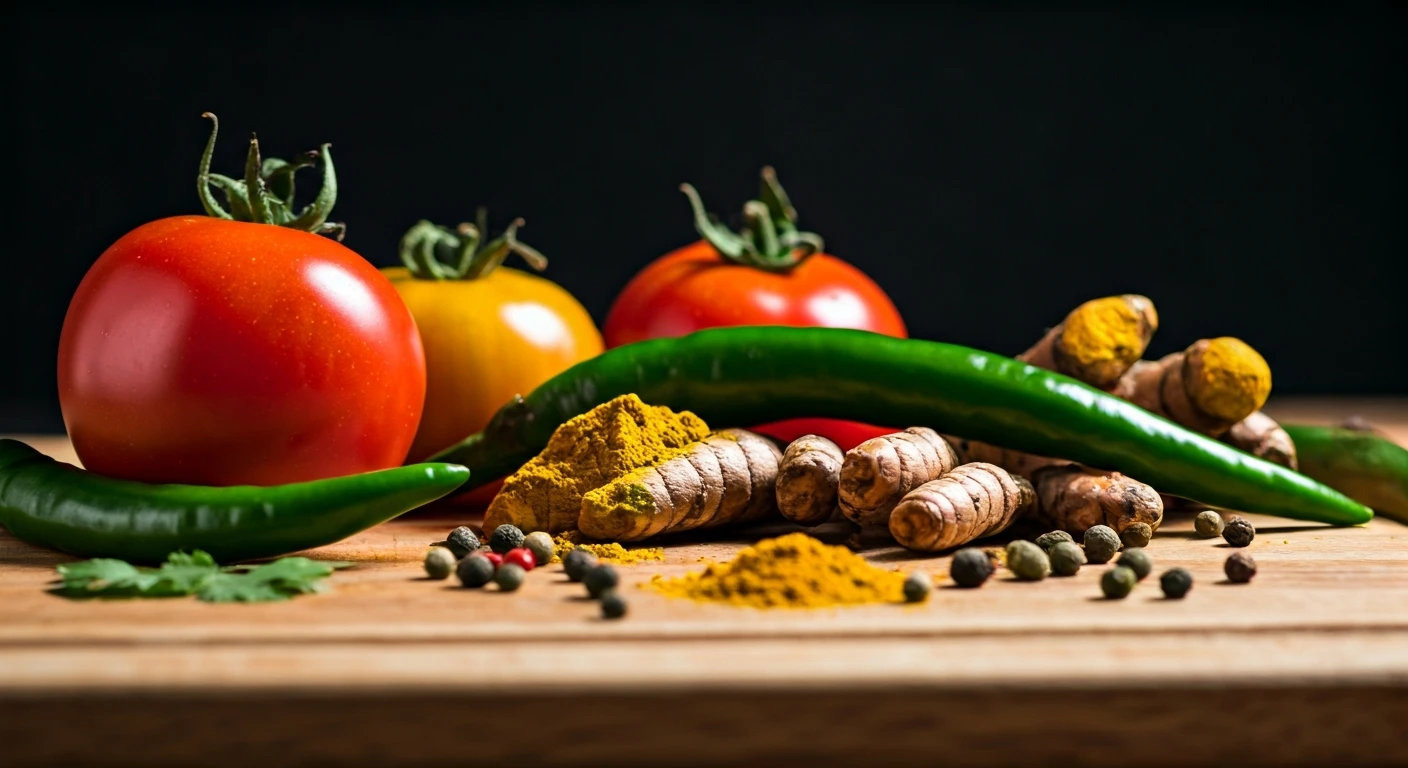
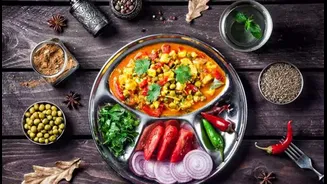
and meats, all cooked with an assortment of spices. Common ingredients include tomatoes, onions, ginger, garlic, and a blend of aromatic spices like garam masala, turmeric, and chili powder. Staples include roti (flatbread), paratha (stuffed flatbread), and rice. The food is known for its high caloric density, often derived from fats like ghee and butter, which contribute to its distinct taste. While delicious, the traditionally high-fat content can present challenges for those aiming to maintain or improve their health.
Analyzing Key Dishes
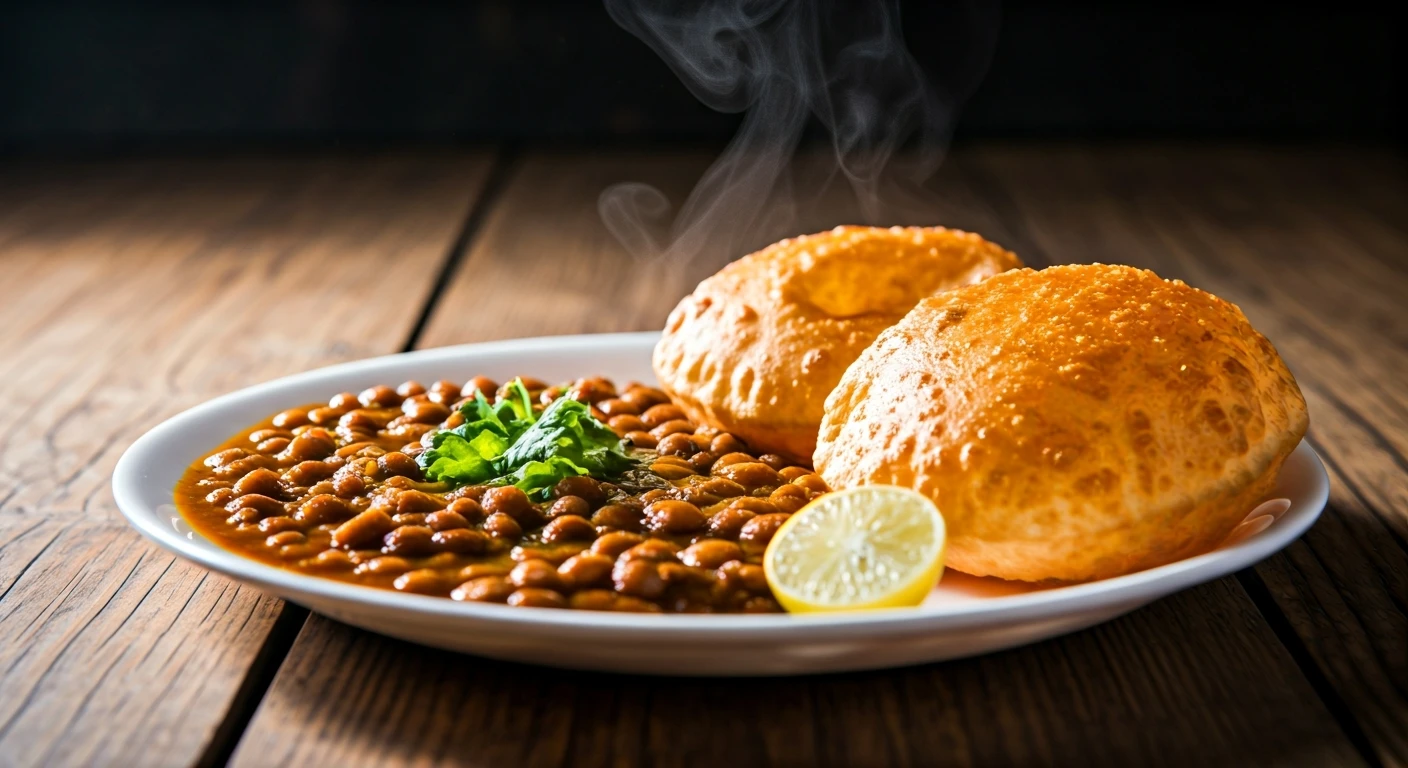
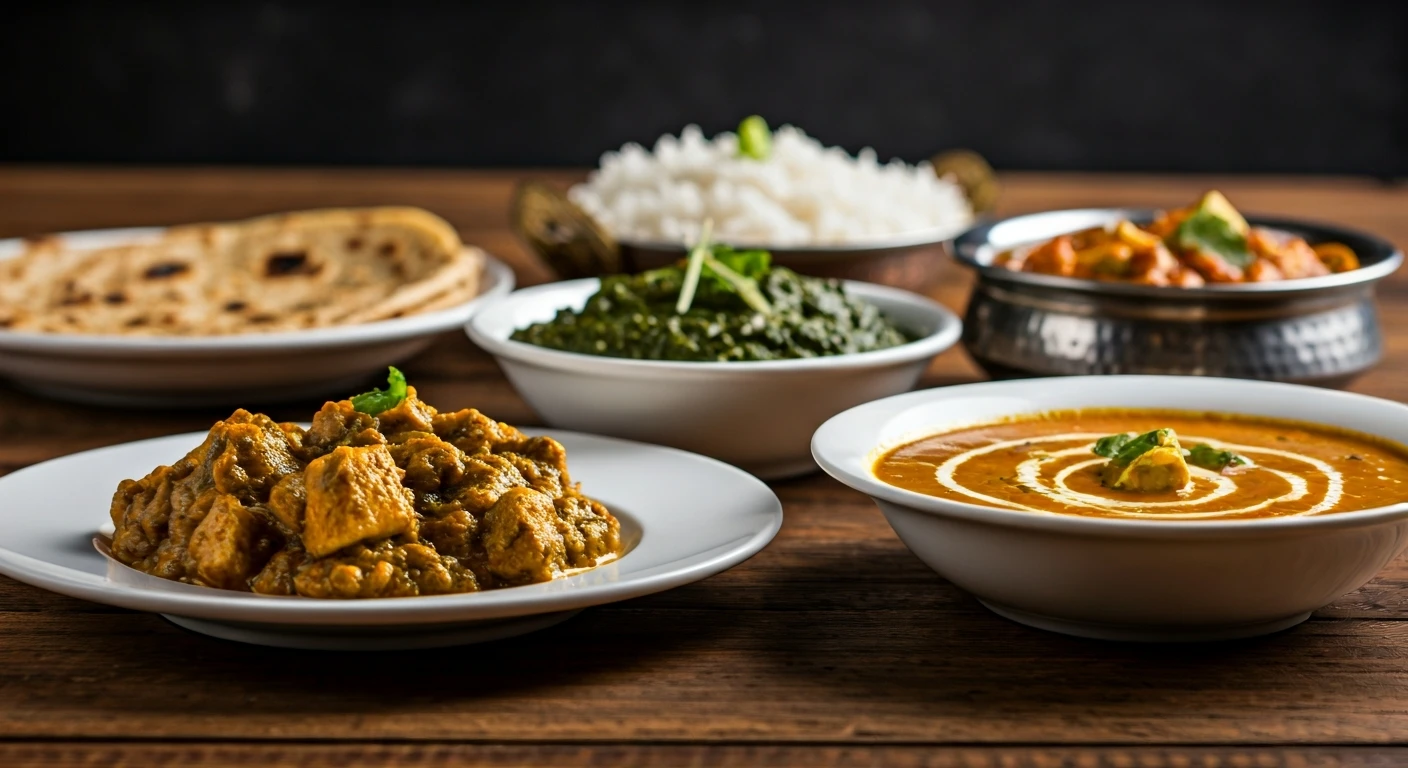
Popular Punjabi dishes offer a range of nutrients, but also potential drawbacks. Butter chicken, for example, is a beloved dish that provides protein from the chicken, but it's often high in saturated fat due to the use of butter and cream. Dal Makhani, another staple, is rich in protein and fiber from the lentils, but can also contain significant amounts of fat. Dishes like sarson da saag (mustard greens) and palak paneer (spinach with cottage cheese) offer vitamins and minerals, however, they can be calorie-dense, particularly if prepared with a lot of oil and cream. The key is portion control and balance, focusing on incorporating more vegetables and leaner protein sources while moderating fat and carbohydrate intake.
Nutritionist's Perspective
Nutritionists would likely advocate for mindful consumption of Punjabi cuisine. They would suggest emphasizing lean protein sources, such as tandoori chicken prepared without excess oil, and opting for whole grains over refined carbohydrates. Emphasizing vegetable-rich dishes like aloo gobi (potatoes and cauliflower) and bhindi masala (okra) is encouraged. Portion sizes are crucial; balancing the intake of calorie-dense dishes with lighter options will maintain energy intake. Nutritionists often recommend reducing the use of ghee and butter, as well as choosing healthier cooking methods, such as grilling, baking, or steaming. These practices help balance the delicious flavors with health-conscious choices.
Health Benefits & Risks
Punjabi food, with its vibrant use of spices, can have certain health benefits. Many spices, such as turmeric and ginger, possess anti-inflammatory properties, which can help reduce inflammation in the body. Lentils and other legumes provide fiber, essential for digestive health and maintaining stable blood sugar levels. However, the high fat and calorie content of some dishes poses risks, including weight gain and a higher risk of heart disease if consumed in excess. Moderation, alongside a balanced diet, regular exercise, and portion control are essential. Individuals with pre-existing health conditions, like diabetes or heart disease, should be especially mindful and possibly consult with a nutritionist to design a diet plan that is both delicious and health-promoting.
Creating a Balanced Approach
To enjoy Punjabi food while maintaining a healthy lifestyle, focus on balance. Begin with smaller portions of rich dishes and include plenty of vegetables in your meal. Choose leaner protein sources whenever possible. You can opt for healthier cooking methods, such as air frying or baking. Also, try reducing the amount of oil and cream in your recipes. Including a variety of dishes ensures you obtain a range of nutrients. Hydration is also essential, so drink enough water throughout the day. By incorporating these strategies, you can enjoy Punjabi food without compromising your health goals. Remember that mindful eating and smart choices are key to embracing a balanced diet.