



TMC's Stronghold
The 2021 West Bengal Assembly elections saw the Trinamool Congress (TMC) emerge victorious, securing a substantial mandate. The party clinched an impressive
215 out of the 294 available seats, demonstrating its continued dominance across the state. Their vote share also reflected this strength, accounting for approximately 48% of the total votes cast. This outcome underscored the TMC's robust presence and its ability to effectively mobilize voters, solidifying its position as the ruling party and showcasing a deep-rooted connection with the electorate.
BJP's Principal Opposition
While the Trinamool Congress retained power, the Bharatiya Janata Party (BJP) solidified its role as the principal opposition in the West Bengal Assembly. The BJP managed to secure 77 seats, a significant increase that marked its growing influence in the state's political arena. Their vote share also saw a considerable rise, reaching nearly 38%. This performance indicated a shift in the political dynamics, with the BJP emerging as a formidable contender and setting the stage for a more competitive electoral future in West Bengal.
Eight-Phase Electoral Battle
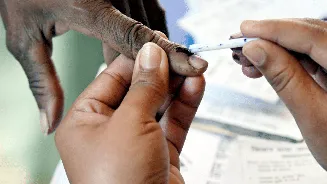
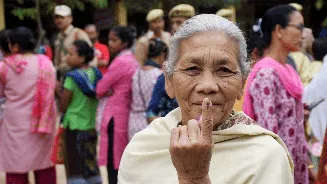
The electoral process in West Bengal for the 2021 Assembly elections was a lengthy affair, conducted over eight distinct phases. This extended period of campaigning and polling allowed for a detailed observation of evolving political sentiments and strategies across different regions. The phased approach enabled parties to focus their efforts and for voters to engage with the electoral process over a prolonged duration, ultimately contributing to the complex electoral outcomes observed.
Regional Divide Emerges
A striking feature of the 2021 West Bengal elections was the clear regional divide that emerged in voting patterns. South Bengal largely remained a stronghold for the Trinamool Congress, where the party secured sweeping victories in several key districts, reinforcing its traditional support base. In contrast, North Bengal witnessed significant gains for the BJP, highlighting a geographical polarization of political preferences. This divergence in electoral performance between the southern and northern parts of the state played a crucial role in shaping the overall results.
Nandigram's Symbolic Contest
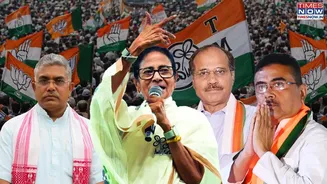
Among the most keenly watched and symbolic electoral contests of the 2021 West Bengal Assembly elections was the battle in Nandigram. This constituency became the focal point due to the intense rivalry between Mamata Banerjee, the incumbent Chief Minister, and Suvendu Adhikari, who had previously been a prominent TMC leader and later joined the BJP. The outcome of this high-stakes fight, with Adhikari defeating Banerjee, garnered significant attention and was seen as a major political development within the broader election narrative.
Vote Conversion Efficiency
Despite the symbolic defeat in Nandigram, the Trinamool Congress successfully retained statewide control, a feat attributed to its superior vote conversion and extensive grassroots reach. The election results demonstrated that in West Bengal, winning elections is not solely determined by the overall vote share garnered by a party. Instead, the ability to effectively translate votes into seats, particularly in strategic constituencies and regions, and the strength of an established ground network are paramount factors that significantly influence the final electoral outcome.