







Understanding Magnesium's Role
Magnesium, a vital electrolyte, plays a crucial role in maintaining overall health by supporting essential bodily functions. It's fundamental for proper
muscle and nerve activity, ensuring your muscles contract and relax smoothly and your nerves transmit signals efficiently. Beyond that, it's a key player in regulating your heart rhythm, contributing to cardiovascular health. Magnesium also significantly contributes to bone strength and density, making it a cornerstone of skeletal integrity. When magnesium levels dip too low, individuals might experience symptoms like involuntary muscle tremors, persistent fatigue, and a tingling sensation or numbness, indicating an electrolyte imbalance that requires attention. Addressing these deficiencies through dietary adjustments can help alleviate these discomforts over time.
The Rise of the Sleepy Girl Mocktail
Recently, a particular non-alcoholic beverage known as the 'Sleepy Girl Mocktail' has surged in popularity, particularly on platforms like TikTok. This trend has gained considerable attention as many individuals seek natural remedies for sleep disturbances, including insomnia and poor sleep quality. Influencers and users alike have championed this drink for its alleged sleep-inducing properties. The appeal lies in its simple composition, typically a blend of tart cherry juice, magnesium powder, and sparkling water, often enhanced with a prebiotic soda. Consumed just before bedtime, it's believed to promote relaxation and ultimately enhance sleep quality, offering a refreshing, alcohol-free alternative for those looking to unwind and rest.
Causes of Low Magnesium
While not extremely widespread, magnesium deficiency can occur, particularly in specific populations. Reports suggest that less than 2% of the general population experience low magnesium levels. This deficiency is more commonly observed in individuals with alcohol use disorder, where reduced food intake and increased magnesium loss through urine due to alcohol's direct effect contribute significantly. Among hospitalized patients, around 10% show signs of magnesium deficiency, with a striking 50 to 60% of these cases found in intensive care units (ICU). Beyond these, several often-overlooked factors can trigger low magnesium. These include the prolonged use of medications like diuretics and certain acid reducers, the administration of specific antibiotics and chemotherapy drugs, and chronic gastrointestinal issues such as persistent diarrhea or gut disorders that impair nutrient absorption. Inadequate nutrition over extended periods and excessive alcohol consumption, which diminishes intake while escalating loss, are also major contributors.
Dietary Strategies for Magnesium
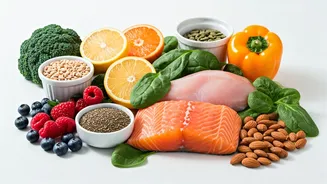
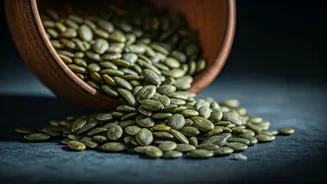
To effectively address low magnesium levels, integrating more magnesium-rich whole foods into your daily diet is the most recommended starting point. Leafy green vegetables are excellent sources, so make sure to include options like spinach, methi, and moringa; these can easily be added to curries, blended into smoothies, or prepared as vegetable side dishes (sabzis). Furthermore, incorporating a variety of nuts and seeds is highly beneficial. Consider pumpkin seeds, flaxseeds, sunflower seeds, sesame seeds, almonds, cashews, peanuts, and mixed nuts. These can be transformed into healthy ladoos, added to lentil dishes (dals) and salads, or simply enjoyed as a handful snack. Whole grains and legumes also pack a substantial magnesium punch; look to include ragi, bajra, jowar, brown rice, oats, and dals such as toor, chana, masoor, and moong. Aiming for at least one dal or lentil preparation daily and substituting refined grains with these fiber-rich alternatives is a wise strategy.
Additional Magnesium-Rich Foods
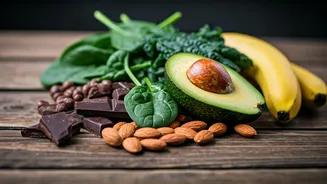
Beyond leafy greens, nuts, seeds, whole grains, and legumes, several other food items contribute significantly to your magnesium intake. Avocados are a creamy and nutritious addition, while bananas offer a convenient source of this essential mineral. Potatoes, especially when consumed with their skin on, also provide a good amount of magnesium. For those with a sweet tooth, dark chocolate with a cocoa content of 70% or higher is a delightful option that also delivers magnesium. Furthermore, incorporating fish like salmon and plant-based proteins such as tofu into your meals can be advantageous, as they not only provide magnesium but also offer valuable protein, further supporting overall health and well-being.