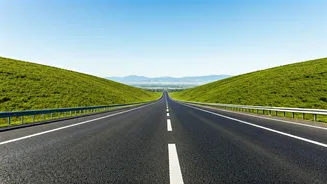







A Speedy New Link
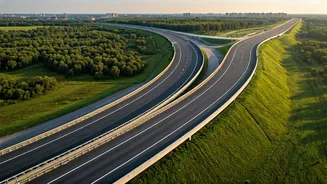
Prepare for a significant upgrade in travel convenience as the Varanasi-Kolkata Expressway gears up for completion around 2028. This ambitious six-lane,
greenfield corridor is poised to dramatically reduce the current 12-14 hour journey between Varanasi and Haldia, near Kolkata, to an efficient 6-7 hours. Stretching over 710 kilometers, this access-controlled highway is designed to facilitate high-speed, seamless traffic flow. By limiting entry for local and slower-moving vehicles, the expressway aims to minimize congestion and enhance road safety, ensuring a smoother and quicker transit for all users. The project, managed by the NHAI, represents a substantial investment of over Rs 35,000 crore, underscoring its importance in bolstering regional connectivity and economic activity.
Connecting Four States
This expansive expressway is meticulously planned to weave through four vital Indian states, creating a robust east-west corridor of significant economic and cultural importance. The route commences near Varanasi in Uttar Pradesh, a city renowned for its spiritual and cultural heritage. It then traverses into Bihar, connecting key areas and including the historically significant city of Gaya. Proceeding further, the highway enters Jharkhand, with Ranchi designated as a major point along its path. Finally, the expressway extends into West Bengal, culminating near Haldia, a crucial industrial and port hub adjacent to Kolkata. This strategic alignment ensures that the expressway not only serves as a rapid transit route but also bridges important economic zones with cultural and religious destinations, fostering a comprehensive approach to regional development.
Boosting Trade & Logistics
The Varanasi-Kolkata Expressway is set to revolutionize trade and logistics across Eastern India by providing a high-speed artery for the movement of goods. This reduction in transit time for cargo will translate directly into cost savings for businesses, enabling quicker delivery of raw materials to manufacturing units and finished products to markets. The enhanced connectivity will facilitate the growth of warehousing and logistics hubs, optimizing supply chains. Furthermore, the direct link to the port region of Haldia and Kolkata will streamline import and export operations, making businesses more competitive on a national and international scale. The increased efficiency in goods transportation is expected to spur industrial activity and create new economic opportunities throughout the covered regions.
Tourism & Local Business Flourish
Beyond its economic implications, the expressway is poised to invigorate the tourism sector and stimulate local businesses. With significantly reduced travel times, visiting the numerous religious, cultural, and historical sites scattered across Uttar Pradesh, Bihar, Jharkhand, and West Bengal becomes far more feasible and appealing for road travelers. This improved accessibility is anticipated to drive increased tourist footfalls to destinations like Varanasi, Gaya, and Ranchi, consequently benefiting the hospitality industry through higher demand for accommodations, dining, and related services. Investors are likely to be drawn to the prospect of developing tourism-related infrastructure and amenities near the expressway's major exits and entry points, fostering localized economic growth and job creation.
Regional Growth & Jobs
The long-term impact of the Varanasi-Kolkata Expressway extends to significant regional development and employment generation. Large-scale infrastructure projects like this create a substantial number of jobs during the construction phase, providing direct employment to thousands. Post-completion, the improved connectivity is expected to catalyze the establishment of new industrial clusters along the corridor, attracting further investment. This will also enhance market access for agricultural produce and goods from small-scale producers, empowering local economies. The sustained growth in transport, hospitality, and service sectors, driven by increased commerce and tourism, will lead to a considerable number of both direct and indirect employment opportunities, contributing to the overall prosperity of the four interconnected states.