
The Golden Trend
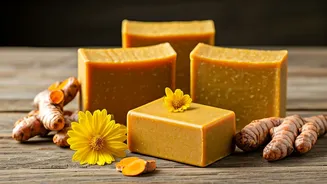
Turmeric soap has captured the attention of skincare enthusiasts, with its appeal largely stemming from its purported health advantages. This soap variant
has become increasingly popular in recent times, with social media platforms and online retailers playing a large role in its promotion. But its popularity isn't solely due to marketing tactics. The use of turmeric in beauty treatments dates back centuries. Many believe that turmeric's inherent properties, particularly its potential anti-inflammatory and antioxidant effects, are what drive its appeal. This historical background adds depth to its modern-day appeal. Consumers are increasingly drawn to natural skincare solutions. Turmeric soap aligns with this trend, providing an alternative to products filled with synthetic ingredients. Its natural aspect, along with its rich historical usage, has greatly boosted its appeal in the beauty industry.
Benefits Unveiled
Turmeric is well-known for its potential benefits. The active compound, curcumin, is believed to offer anti-inflammatory and antioxidant properties, making turmeric soap appealing to those looking to improve their skin's health. Many users report that turmeric soap can assist in reducing redness, combating acne, and promoting an even skin tone. Regular use is often suggested to support this. Beyond these benefits, some find that turmeric soap helps to gently exfoliate the skin. This can lead to a brighter complexion over time. Its mild exfoliating qualities can aid in removing dead skin cells and revealing fresher, revitalized skin. Its ability to brighten the skin's overall appearance is a significant driver behind its popularity.
Who Should Use?
Turmeric soap is most suitable for certain skin types, and it can be a beneficial addition to the skincare routines of many people. Those with oily or acne-prone skin often find it helpful, as turmeric’s anti-inflammatory properties may help to minimize breakouts and reduce excess oil. Individuals who are prone to hyperpigmentation or uneven skin tones could benefit from the soap, as turmeric is believed to have skin-brightening qualities. People looking for a more natural approach to skincare might also find turmeric soap to be a good fit, particularly if they are sensitive to harsh chemicals typically found in many conventional skincare products. It is important to remember that individual responses to turmeric soap can vary.
Who Should Avoid?
While turmeric soap presents numerous advantages, it might not suit everyone's skin type. Individuals with sensitive skin should exercise caution, as turmeric can sometimes cause irritation or allergic reactions. It is wise to perform a patch test before regular usage if you have sensitive skin, which involves applying a small amount of the soap to a less noticeable area of the skin to test for adverse reactions. Also, individuals with dry skin may find that turmeric soap can be overly drying. The soap might strip the skin of its natural oils, which can cause dryness and flakiness. The use of turmeric soap should be carefully considered by people with pre-existing skin conditions, such as eczema or rosacea. While turmeric might alleviate certain skin conditions for some, it could worsen others, depending on the individual and the severity of their condition.
Incorporating into Routine
Introducing turmeric soap into your skincare routine involves a few simple steps. Begin by moistening your face or body with warm water. Apply the soap gently, creating a lather with your hands or a washcloth. Gently massage the lather onto your skin in a circular motion, ensuring you cover all areas evenly. Allow the soap to sit on your skin for a short period, typically a minute or two, to allow the turmeric to work. Rinse thoroughly with warm water, making sure all traces of the soap are gone. After rinsing, it's essential to pat your skin dry with a soft towel. Follow up with a moisturizer to keep your skin hydrated. Consistency is key when using turmeric soap, so integrate it into your routine 2-3 times a week, and adjust based on your skin's response.
Potential Drawbacks
Despite its appealing benefits, turmeric soap may come with certain potential downsides. One of the common concerns is the possibility of skin irritation, especially in those with sensitive skin. The strong properties of turmeric can sometimes cause redness, itching, or even a burning sensation. Another possible disadvantage is staining. Turmeric can leave a yellowish tint on the skin if not rinsed properly or if the soap is used excessively. This is due to curcumin's coloring properties. It can also stain clothing and towels, so caution is advised. Finally, the quality of turmeric soap varies greatly. Products that contain low-quality turmeric or other additives may not provide the desired benefits. Careful consideration of product ingredients and sources is essential.
The Final Verdict
Turmeric soap can be a valuable addition to your skincare regimen. It offers several potential advantages, including the possibility of anti-inflammatory benefits, potential skin-brightening effects, and the appeal of using natural ingredients. However, it's also important to be aware of the potential drawbacks, such as skin irritation, the possibility of staining, and quality issues related to certain product formulations. Before incorporating turmeric soap into your routine, carefully assess your skin type. If you have sensitive skin, it is important to proceed with caution and perform a patch test. By weighing the pros and cons and paying close attention to your skin's response, you can make an informed decision on whether turmeric soap is right for you. It's all about balancing the potential benefits with your skin's specific needs and sensitivities.