





Milk Matters for Creaminess
The foundation of truly exceptional homemade curd lies in the quality of milk you choose. Opting for full-fat milk is paramount because its richer fat content
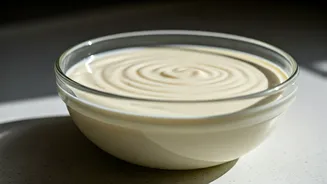
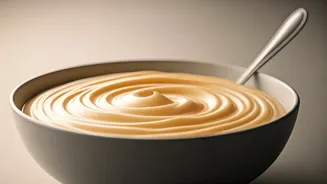
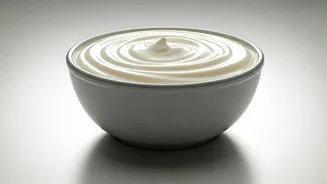
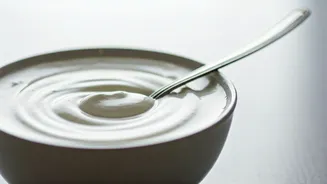
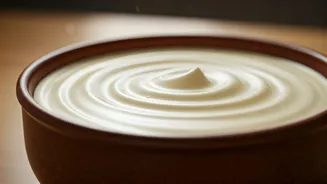
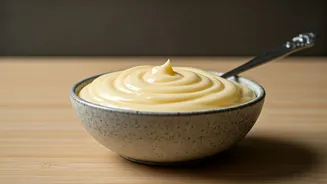
creates a more stable protein network during the curdling process. This robust structure effectively binds moisture, resulting in a thicker, creamier final product that is less prone to liquid separation. Conversely, using toned or skimmed milk, which are deficient in fat, significantly increases the likelihood of the curd releasing water. The inherent fat in full-fat milk not only contributes to texture but also, when boiled with the milk, forms a delightful layer of malai on top, enhancing the overall richness and appeal of your homemade curd. Therefore, prioritizing the fat content of your milk is a critical first step towards achieving curd that is both visually appealing and luxuriously creamy.
Temperature is Key
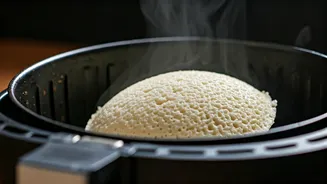
Mastering the temperature is fundamental to successful curd setting. The ideal environment for the beneficial bacteria to work their magic is between 30°C and 40°C. If the milk mixture is too cool, the fermentation process will be sluggish, preventing the curd from setting properly. On the other hand, exposing the mixture to excessive heat or allowing it to ferment for an extended period can lead to over-fermentation. This over-activity results in the breakdown of the curd structure, causing it to expel excess liquid, commonly known as whey. To maintain this crucial warmth, especially during colder weather, ingenious methods include placing the curd container in a switched-off oven or microwave, or simply wrapping it snugly in a thick cloth. These techniques create a stable, insulated microclimate, supporting consistent and effective curd formation.
Starter Quantity Control
The amount of starter culture you introduce to the milk plays a surprisingly significant role in the final texture of your curd. While it might seem intuitive that adding more starter would speed up the process and yield thicker curd, the opposite is often true. An excessive quantity of starter culture can aggressively accelerate the fermentation process. This rapid conversion of lactose into lactic acid can make the curd overly sour and, crucially, destabilize its structure, leading to a greater expulsion of whey. The key to perfect curd lies in moderation: for approximately 500 ml of milk, a mere 1/4 to 1/2 teaspoon of starter is generally sufficient. This balanced approach ensures a gentle, controlled fermentation that fosters a firm yet creamy curd without the unwanted watery separation.
Right Starter Temperature
Just as the overall temperature for setting curd is important, the temperature at which you introduce the starter culture to the milk is equally critical. The ideal range for adding your starter is when the milk is lukewarm, specifically between 35°C and 40°C. Traditionally, many Indian households rely on a simple finger test: if you can comfortably keep your finger submerged in the milk for about ten seconds without feeling discomfort, it’s at the correct temperature. This ensures that the starter bacteria are introduced to an environment conducive to their activity without being killed by excessive heat or hindered by coolness. Furthermore, once the starter is added and the container is covered, it is vital to avoid any disturbance. Shaking or moving the container can disrupt the delicate protein structure as it forms, leading to a loose consistency that cannot effectively retain its liquid.