





The Deceptive Sweetness
Summer's joy often includes the refreshing burst of a cool watermelon, a fruit celebrated for its hydrating properties and ability to keep us cool. However,
the market presents a growing challenge: distinguishing naturally ripened watermelons from those that have been artificially enhanced. Buyers are frequently enticed by a vibrant red hue, a visual cue that often leads to the acquisition of adulterated produce. These chemically treated fruits, while appearing appealing on the surface, can be bland or even stale internally. Ingesting such manipulated watermelons poses health risks, making it crucial for consumers to be vigilant in their selection process.
Unmasking Fake Fruit
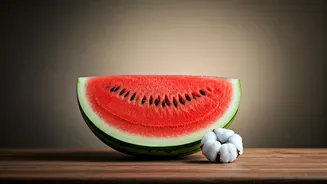
A common method to artificially boost a watermelon's appeal involves injecting it with chemicals, most notably Erythrosine, also known as Red-B, a red dye. This practice aims to create a more vibrant, appealing color, but it can mask an inferior quality and pose health dangers. Fortunately, the Food Safety and Standards Authority of India (FSSAI) has popularized a simple yet effective technique to detect this adulteration. By taking a piece of cotton and gently rubbing it on the cut surface of the watermelon, one can ascertain its natural state. A natural watermelon will leave no color transfer onto the cotton, signifying it has ripened organically and is safe for consumption. Conversely, if the cotton picks up a red tint, it's a clear indication of artificial coloring and chemical treatment, suggesting the fruit should be avoided.
Health Risks of Adulteration
Consuming watermelons that have been treated with artificial colors and chemicals can lead to a range of unpleasant and potentially serious health issues. Immediate effects may include gastrointestinal distress, such as stomach problems, vomiting, and diarrhea. Individuals might also experience throat irritation. The concern escalates with long-term consumption, as exposure to these adulterants can contribute to more significant health complications over time. Therefore, identifying and avoiding these fake fruits is not just about taste or quality, but also about safeguarding one's well-being from the detrimental effects of chemical additives.
Choosing Wisely
Beyond the cotton trick, several other indicators can guide you toward selecting a genuine, high-quality watermelon. Pay attention to its weight; a good watermelon should feel substantial for its size, indicating a high water content. When tapped, it should produce a deep, resonant, hollow sound, suggesting ripeness. Examine the field spot, the area where the fruit rested on the ground; it should ideally be a creamy yellow or light orange, signifying it ripened naturally in the field. A white or greenish spot might suggest the watermelon was harvested prematurely. Finally, opt for fruits with a symmetrical shape, free from any unusual bumps or bruises, which could point to internal inconsistencies or damage.