






Fitness in Microgravity
The Artemis II mission, a pivotal step towards returning humans to the Moon, highlighted the extraordinary measures taken to ensure astronaut well-being
in the absence of gravity. Astronaut Victor Glover, part of the four-person crew undertaking a lunar flyby in September 2025, shared insights into maintaining peak physical condition during spaceflight. His demonstration video unveiled the specialized equipment and rigorous routines essential for counteracting the physiological effects of microgravity. Without Earth's constant gravitational pull, astronauts face significant muscle atrophy and bone density loss, making dedicated exercise not just beneficial, but absolutely critical for mission success and their safe return. This focus on physical resilience is fundamental to NASA's ambitious plans for sustained lunar presence and eventual Martian exploration, underscoring the human element in our quest for the stars.
The Flywheel's Ingenuity
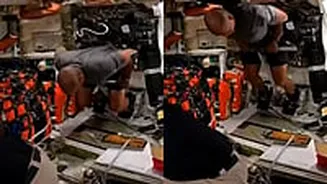
Within the confined quarters of the Orion spacecraft, designed for a crew of four and measuring just 16.5 feet across with a habitable volume of 330 cubic feet, astronauts employ surprisingly effective workout solutions. Victor Glover's workout video prominently features a compact flywheel device, a testament to human ingenuity in overcoming spatial limitations. This cleverly designed, cable-based apparatus attaches near a side hatch and offers versatile exercise options. It enables both aerobic workouts, akin to rowing, and potent resistance training, including exercises like squats and deadlifts. Weighing a mere 30 pounds, this versatile equipment allows each crew member to engage in approximately 30 minutes of exercise daily, crucial for mitigating the detrimental effects of microgravity on their bodies.
Combating Space's Toll
The physiological challenges posed by prolonged exposure to microgravity are substantial, necessitating a proactive approach to astronaut health. Scientists have long recognized that without the constant stress of gravity, muscles begin to weaken and bones lose density, posing significant health risks upon returning to Earth. To combat this, missions like Artemis II rely on advanced exercise regimes and specialized equipment, such as the flywheel device. This technology is engineered to provide the necessary resistance, mimicking the demands placed on the body during terrestrial weightlifting. By engaging muscles and bones through these simulated forces, astronauts can effectively preserve muscle mass, maintain bone density, and support cardiovascular health, ensuring they are fit for the rigors of space exploration and capable of performing their duties effectively throughout their missions.