

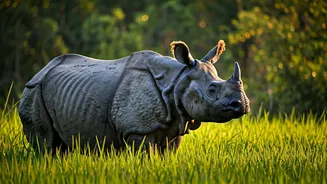
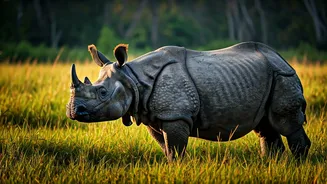

The Majestic Rhino
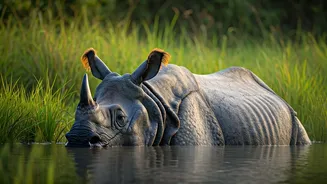
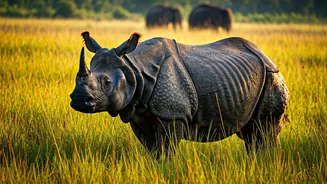
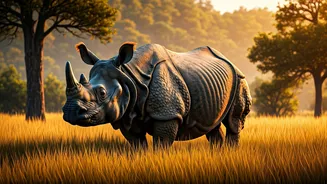
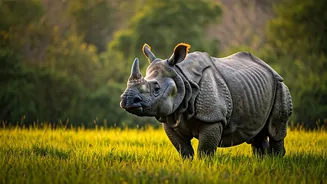
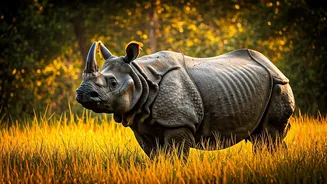
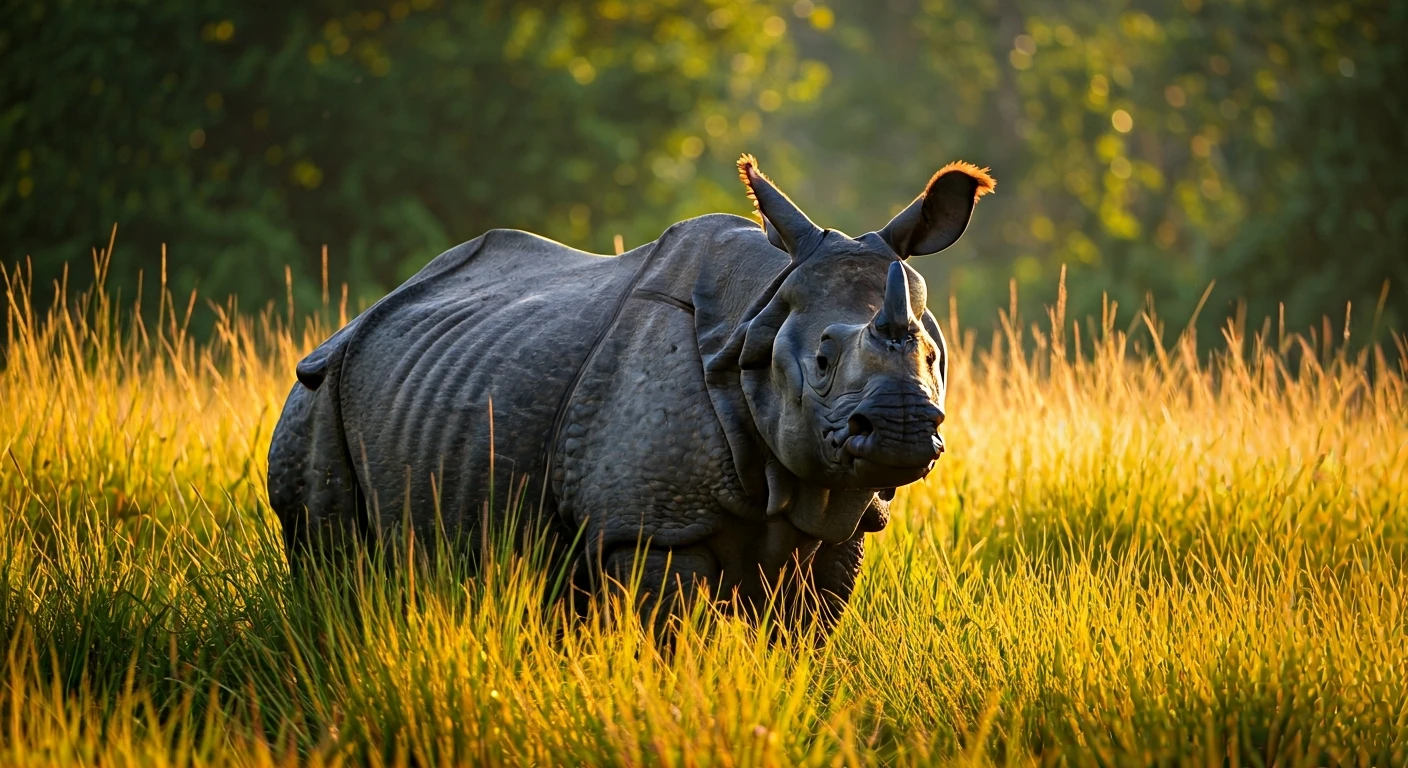
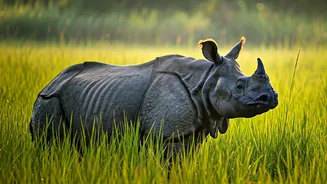
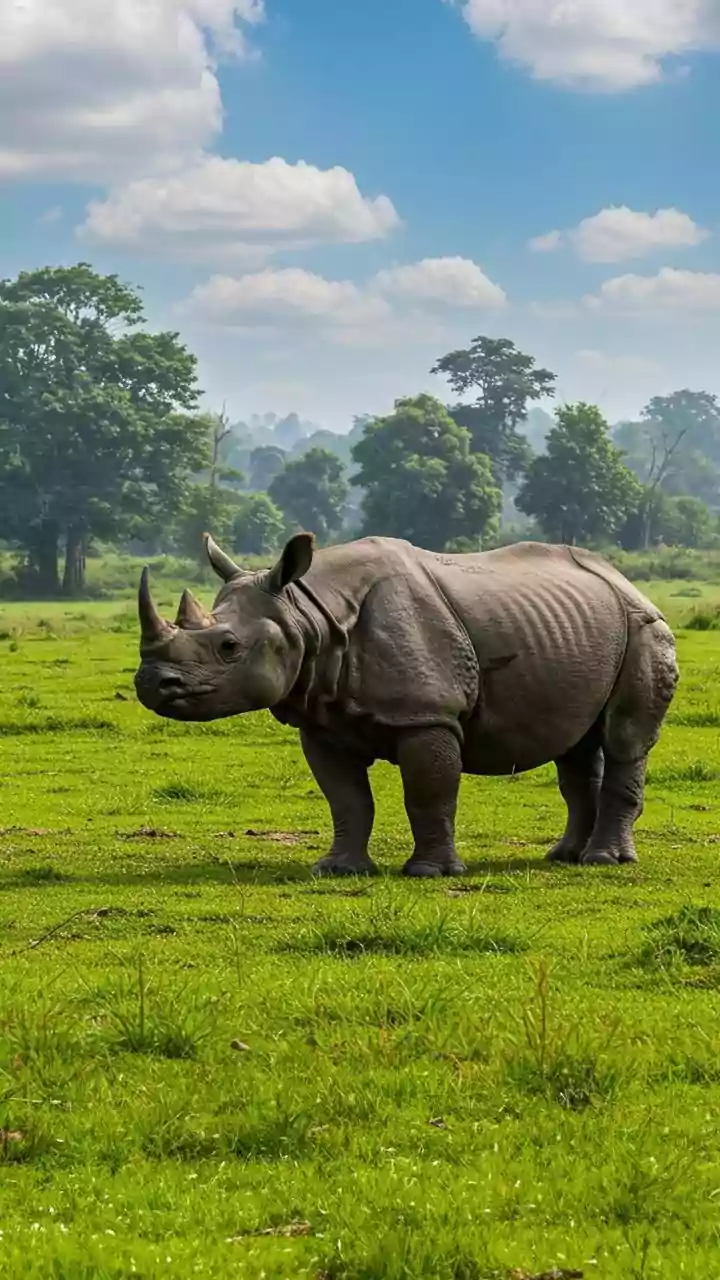
Kaziranga National Park, nestled in the floodplains of the Brahmaputra River in Assam, is globally renowned for its thriving population of the Indian one-horned
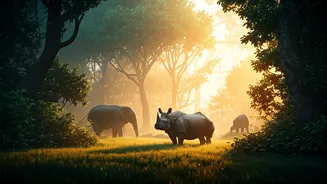
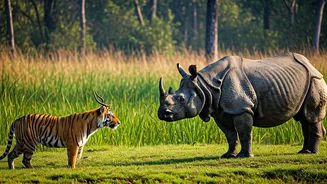
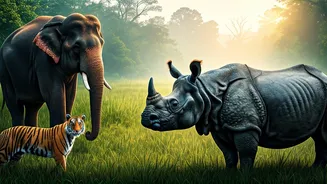
rhinoceros. This magnificent creature, a symbol of conservation success, is a primary draw for visitors. The park's extensive grasslands and wetlands provide an ideal habitat for these large herbivores, offering ample opportunities for them to be observed grazing peacefully. Despite being listed as vulnerable, dedicated conservation efforts in Kaziranga have led to a significant resurgence of this species, making it one of the most reliable places in the world to witness them in their natural environment. Their presence is a testament to the park's ecological significance and its role in safeguarding endangered wildlife.
Gentle Giants Roam
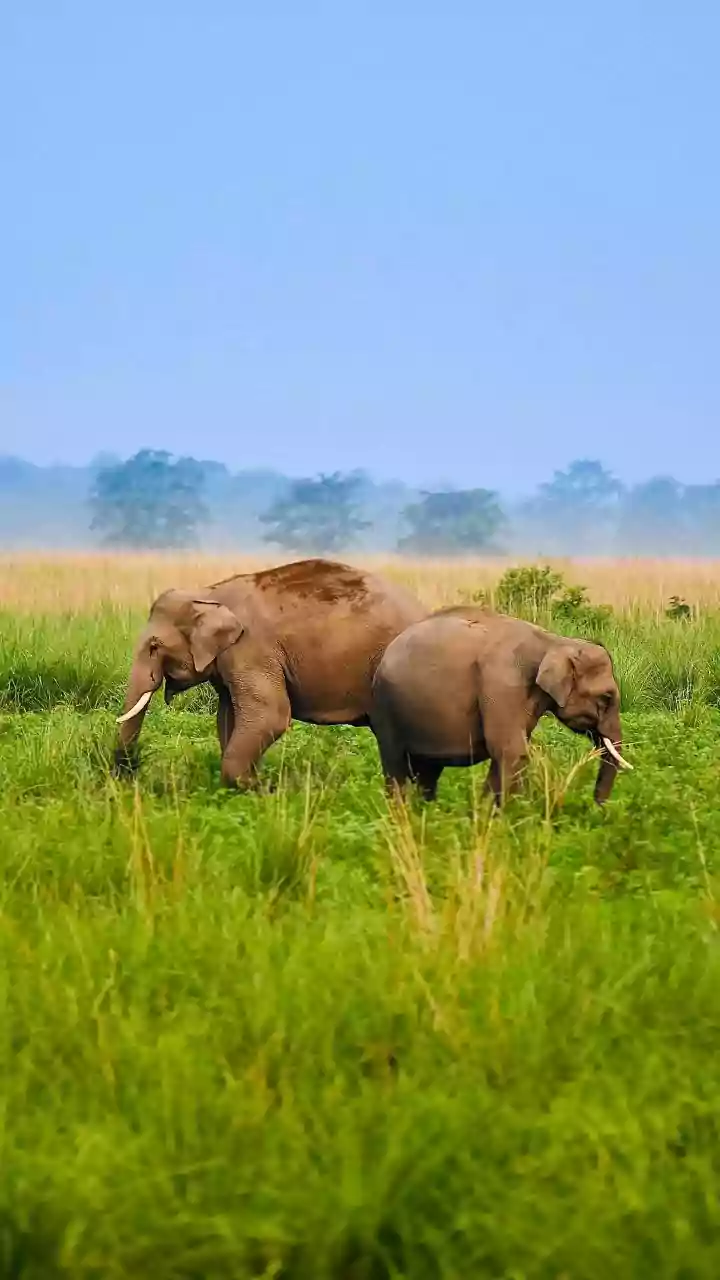
Another captivating sight within Kaziranga is the Asian elephant. These intelligent and social animals are frequently seen in large herds, traversing the park's vast grasslands and scattered woodland areas. Kaziranga is home to a substantial wild elephant population, which plays a crucial role in maintaining the park's ecosystem. Through their grazing and movement, they help shape the vegetation patterns and aid in seed dispersal, contributing to the overall health and diversity of the flora. Witnessing these majestic giants in their natural habitat is an unforgettable experience, underscoring the park's importance as a sanctuary for these incredible beings.
Elusive Royal Bengal
Kaziranga National Park boasts one of the highest densities of Bengal tigers in India, making it a prime location for those hoping for a glimpse of this apex predator. While sightings are less common due to their elusive nature and preference for dense tall grasses and woodland, the park is a designated tiger reserve, signifying its commitment to their protection. The presence of such a healthy tiger population is a strong indicator of the park's successful conservation strategies and the overall well-being of its prey base. Spotting a Bengal tiger here, though challenging, is a truly thrilling encounter.
Powerful Water Buffalo
The wild water buffalo is another impressive inhabitant of Kaziranga, recognized as one of the largest bovine species globally. These robust animals are commonly found in the park's marshy regions and wetlands, where they often congregate. Kaziranga provides sanctuary to one of the most significant remaining populations of this endangered species. Their presence highlights the park's commitment to preserving not just charismatic megafauna but also those facing severe threats to their survival. Observing these powerful creatures in their preferred damp environments is a remarkable aspect of a Kaziranga safari.
Elegant Swamp Deer
The eastern swamp deer, also known as Barasingha, thrives in the wetland and grassland ecosystems of Kaziranga. These graceful deer are distinguished by their impressive, multi-tined antlers, especially in males. They are often seen in open meadows and near water bodies, grazing peacefully. Kaziranga's environment is particularly well-suited to their needs, allowing this subspecies to flourish. Their elegant presence adds to the scenic beauty of the park and provides another highlight for wildlife enthusiasts visiting the reserve.
Stealthy Forest Cat
While generally more secretive and harder to spot, the Indian leopard is also a resident of Kaziranga National Park. These adaptable big cats typically inhabit the more densely forested areas of the park and are most active during the crepuscular hours of dawn and dusk. Consequently, leopard sightings are relatively rare during typical safari timings, but not impossible. Their presence indicates a healthy forest ecosystem capable of supporting a diverse range of predators, adding another layer of wildness to the park's rich tapestry of life.
Common Grazing Deer
The hog deer is one of the more frequently encountered herbivores within Kaziranga National Park. These deer are noticeably smaller than swamp deer and are typically found in the park's tall grass habitats, often grazing near the numerous water sources. Their abundance makes them a common and welcome sight for visitors, contributing to the overall sense of a vibrant and active ecosystem. Observing hog deer as they forage in the grasslands adds to the immersive wildlife experience that Kaziranga offers.
The Unique Sloth Bear
Although less commonly sighted than many other species, the sloth bear is also part of Kaziranga's diverse fauna. These distinctively looking bears are typically found in the park's forested zones. Their diet primarily consists of insects, particularly termites, along with fruits, which they forage for throughout their territory. Their presence, though infrequent on safaris, further contributes to the ecological richness of Kaziranga, highlighting the park's ability to support a wide array of species with varied ecological niches.