



The Science Behind Perfect Asparagus
Achieving ideal boiled asparagus hinges on a few key scientific principles that prevent mushiness and preserve its natural appeal. Salting the boiling
water is crucial; it acts as a flavor enhancer, seasoning the asparagus spears from within and drawing out their inherent sweetness. The cooking duration is equally important; a brief boiling period, typically between one to three minutes, is sufficient to cook the vegetable without excessive breakdown of its cellular structure. This short exposure to heat maintains the asparagus's desirable crisp-tender texture and minimizes nutrient loss. Furthermore, the rapid cooling technique, known as 'shocking,' by plunging the cooked spears into ice water, instantly halts the cooking process. This rapid temperature change is vital for preserving the vibrant green chlorophyll, ensuring the asparagus retains its appealing color and firm bite, making it both visually attractive and texturally satisfying.
Why This Method Works
The common pitfall of mushy, dull asparagus often stems from an incorrect cooking approach, not the vegetable itself. This straightforward boiling technique leverages basic kitchen tools—a pot, salted water, and precise timing—to consistently yield bright, crisp asparagus with a fresh taste. Even a simple boiling process requires attention to heat management, the correct amount of salt, and meticulous timing to uphold the asparagus's nutritional value, texture, and innate flavor. Understanding these nuances transforms the humble act of boiling into a reliable method for achieving restaurant-quality results at home. For those planning meals ahead, the 'blanch-and-shock' method is exceptionally useful for stopping the cooking and can also be employed to prepare chilled asparagus perfect for a fresh vegetable crudité platter, offering versatility in its application.
Essential Ingredients
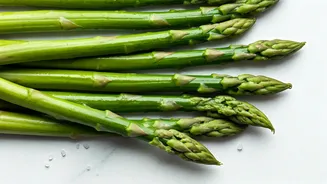
To prepare this simple yet elegant side dish, you will need a pound of fresh asparagus, its peak season generally running from February through June. Opt for stalks that are firm and exhibit a bright green hue, as these indicators suggest optimal texture and flavor. Be mindful that thicker asparagus stalks naturally require a slightly longer cooking time compared to their thinner counterparts. You'll also need ample water, around 8 cups, to ensure the asparagus is fully submerged for uniform heat distribution during boiling. Lastly, kosher salt is recommended; it seasons the asparagus from the inside out as it cooks, diminishing the need for heavy seasoning post-cooking and allowing the vegetable's natural taste to shine through. Specific measurements are provided in the recipe card for convenience.
Customizing Your Asparagus
This boiled asparagus recipe offers remarkable flexibility, allowing for delicious variations to suit your palate. While green asparagus provides a fresh, grassy note, white asparagus offers a more delicate, milder flavor due to its cultivation without direct sunlight. Purple asparagus, distinguished by its sweeter taste attributed to higher natural sugars, will transition to a green color upon cooking as its pigments degrade. For seasoning the boiling water, sea salt or table salt can effectively substitute for kosher salt. To infuse additional flavor, consider boiling the asparagus in vegetable broth instead of plain water. Post-boiling, you can enhance the spears with a drizzle of butter or olive oil, and additions like salt, pepper, garlic powder, onion powder, or grated Parmesan cheese can elevate the dish. A squeeze of fresh lemon juice right before serving adds a bright, citrusy finish, and for a touch of luxury, a dollop of hollandaise sauce transforms it into a gourmet offering.
Effortless Boiling Steps
Begin by rinsing the asparagus spears under cool water to remove any residual dirt. Next, trim off approximately 1 to 2 inches from the bottom ends of the stalks. This removes the tough, woody portions, ensuring that the entire spear becomes pleasantly tender when cooked. For thicker asparagus, you might consider using a vegetable peeler to remove the outer skin of the lower half of the stalk, which further guarantees tenderness. Alternatively, you can gauge the woody part by gently bending a spear until it naturally snaps at the point where tenderness begins. In a spacious pot, combine the water and salt, bringing the mixture to a rolling boil over high heat. Introducing salt to the water seasons the asparagus uniformly as it cooks. Carefully add the asparagus to the boiling water and cook for just 1 to 3 minutes, until it turns a vibrant green and is easily pierced with a fork. Promptly drain the asparagus to halt the cooking process and prevent overcooking. For immediate serving, season with salt and pepper to taste. If preparing ahead, immerse the cooked asparagus in an ice bath for about 5 to 10 minutes to rapidly stop the cooking, preserve its color, and maintain its crisp texture. Once cooled, drain thoroughly and store in an airtight container in the refrigerator.