






Smoky Sattu Stuffed Litti
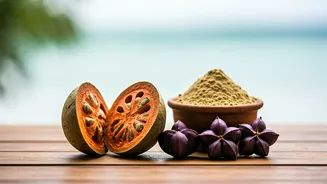
Hailing from Bihar, Jharkhand, and Eastern Uttar Pradesh, Litti is a hearty whole wheat dough ball ingeniously stuffed with sattu (roasted gram flour).
This flavorful filling is typically mixed with pungent mustard oil, pickle masala, raw onion, garlic, and green chillies, creating a dense, smoky, and intensely satisfying experience. The traditional method involves slow-roasting over coal or wood, a process that imparts an unparalleled smokiness. While modern appliances can replicate the cooking, the charcoal-kissed flavor remains distinct. Historically prized for its long shelf life, Litti was a reliable food for travellers and soldiers. Serving it with 'chokha'—a mash of roasted eggplant and tomato—enhances its appeal. The sattu itself is a highly nutritious and economical ingredient, making Litti a wholesome choice.
Nutty Jowar Jolada Rotti
Originating from North Karnataka, Telangana, and parts of Maharashtra, Jolada Rotti is a thick, soft, yet slightly crisp flatbread crafted from jowar (sorghum) flour. This gluten-free bread is prepared entirely by hand, eschewing rolling pins for a traditional patting technique. Its subtle nutty flavour makes it a delightful accompaniment to various accompaniments like spicy garlic chutney, rich vangi (brinjal preparation), or a comforting dal. Jolada Rotti boasts a low glycaemic index, making it a healthier alternative to many common flatbreads. The dough is formed by gradually incorporating hot water into jowar flour and salt, then kneaded until pliable but not sticky. Patting it out evenly and cooking on a hot tawa until small dark spots appear on the underside is key to achieving its characteristic texture. It's best enjoyed fresh, often finished with a dollop of ghee.
Crisp Akki Roti
Akki Roti, a beloved flatbread from Karnataka, is a testament to the versatility of rice flour. Unlike its wheat-based counterparts, this variation offers a delightful textural contrast, featuring slightly crisp edges and a soft, yielding center. The dough is enriched with freshly grated coconut, finely chopped green chillies, and curry leaves, imparting a fragrant and subtly spiced profile. A small onion and fresh coriander further enhance its savoury notes. The preparation involves patting the delicate rice flour dough onto a greased surface, like a banana leaf or plate, before carefully transferring it to a hot tawa. Cooked with a drizzle of oil or ghee around the edges, it develops a beautiful golden hue. This gluten-free staple is a popular breakfast item, perfectly complemented by a vibrant coconut chutney.
Pillowy Tingmo Bread
Hailing from the Trans-Himalayan region of Ladakh, Tingmo is a unique steamed bread with Tibetan roots, characterized by its exceptionally soft, pillowy texture and distinctive coiled appearance. Crafted from refined or a blend of flours, leavened with yeast, and then steamed to perfection, Tingmo offers a mildly sweet and slightly tangy flavour profile. Its delicate structure makes it an ideal accompaniment to hearty dishes like thukpa (noodle soup), flavorful dals, or the savory sha phaley (meat pastries). While it reheats remarkably well, its gentle flavour and unique texture are largely confined to its native region, making it a hidden gem in India's vast bread landscape.
Fermented Siddu Buns
From the picturesque hills of Himachal Pradesh, specifically Kullu, Mandi, and Shimla, comes Siddu, a unique steamed wheat bun that bears resemblance to Chinese bao but possesses its own distinct cultural and flavour identity. Made with whole wheat flour and a starter yeast culture, the dough undergoes a lengthy fermentation process, typically for several hours, allowing it to develop a complex flavour and airy texture. The real magic lies in its filling, which can range from ground poppy seeds and walnuts to the subtle notes of apricot stones, often spiced with ginger and chilli in Shimla, or even hemp seeds in Kullu. Traditionally served piping hot, generously doused in clarified butter (desi ghee), Siddu was historically a vital source of sustenance and warmth for shepherds. Its name is thought to be derived from the Tibetan phrase 'Tse-doe,' meaning steamed bread.
Hearty Maharashtrian Thalipeeth
Thalipeeth is a cornerstone of Maharashtrian breakfast cuisine, a thick, savoury flatbread that transcends the definition of bread to become a complete meal in itself. Its nutritional prowess comes from 'bhajani' flour, a carefully crafted blend of roasted grains and lentils such as jowar, bajra, wheat, rice, chana dal, and urad dal, which imparts a distinct aroma and depth of flavour. The dough is further enhanced with finely chopped onions, green chillies, fresh coriander, garlic, and sometimes even grated vegetables, creating a complex taste profile. Prepared by hand on a griddle and cooked with ghee or oil, Thalipeeth is traditionally served with a generous dollop of butter and a tangy pickle, offering a satisfying and wholesome start to the day.
Hollow Goan Poi Buns
Poi represents the quintessential bread of Goa, a small, hollow, and delightfully crusty whole wheat bun that is a daily staple, typically purchased fresh from local bakeries each morning. With Portuguese influences evident in its heritage, Poi has been an integral part of Goan life for centuries. Its composition includes whole wheat flour, wheat bran for added texture, and maida (refined flour), all leavened with yeast and traditionally baked in a wood-fired oven. This method contributes to its characteristic light crust and soft interior. Goans enjoy Poi in a multitude of ways, from stuffing it with a fluffy omelette or spicy 'chourico' sausage to using it as a vessel for leftover 'sabzi' or simply a smear of butter. Its fresh, warm state makes it incredibly versatile and a must-try culinary experience.
Delicate Kerala Pathiri
Pathiri is an exquisitely thin, unleavened flatbread originating from the Malabar coast of Kerala, holding significant cultural importance for the Moplah community. Crafted from rice flour, its preparation involves briefly cooking the flour in boiling water until it forms a cohesive dough, which is then cooled and kneaded to a smooth consistency. The real artistry lies in its rolling; the dough is rolled astonishingly thin, often to a mere 2-3 millimeters, ensuring it remains white and avoids browning during cooking. It is cooked dry on a hot tawa, with each side needing only about 30 seconds to set. Stacked and covered with a cloth to retain their softness, Pathiri's delicate nature makes it an ideal partner for rich seafood curries like 'meen curry,' hearty mutton stews, or even a sweet, spiced coconut milk.