








The Bean's Bad Rep
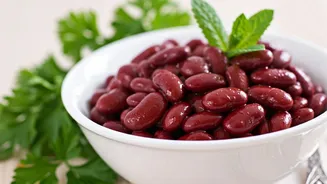
Beans, a nutritional powerhouse, are notorious for causing flatulence. This is largely due to oligosaccharides, complex sugars that our bodies struggle
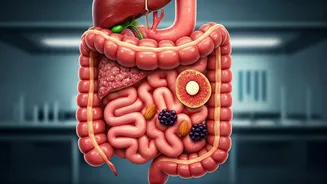
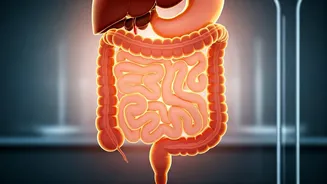
to digest. These sugars pass through the small intestine undigested and are then fermented by bacteria in the large intestine. This fermentation process produces gas, leading to bloating, discomfort, and the infamous after-effects. Different types of beans contain varying amounts of these gas-producing compounds. The cooking process and preparation methods also play a significant role in how well our bodies can handle beans. Understanding this process is the first step toward enjoying beans without the social awkwardness.
Rinsing Canned Beans?
One common question is whether rinsing canned beans helps. The answer is a qualified yes. Rinsing canned beans removes some of the starches and sugars released during canning, which can contribute to gas production. Rinsing also washes away excess sodium, which is a bonus. To maximize the benefit, rinse canned beans thoroughly under cold running water for a few seconds. Gently agitate the beans with your fingers to ensure all surfaces are exposed to the water. While rinsing helps, it's not a complete solution. Other methods are needed for significantly reducing gas production, but rinsing is a simple, easy step that makes a difference. This approach makes canned beans a more pleasant addition to your meal.
Cooking Method Matters?
The way you cook beans from scratch influences their gas-producing potential. Soaking dried beans, for example, is a traditional practice that can help reduce flatulence. Soaking allows some of the oligosaccharides to leach out into the soaking water. You should discard the soaking water and cook the beans in fresh water. Another method involves slow cooking. Cooking beans slowly at a lower temperature, either on the stovetop or in a slow cooker, can allow for a more gradual breakdown of the complex sugars. This can lead to a less gassy result. Adding ingredients such as kombu (seaweed) to the cooking water is also said to aid digestion. These traditional practices, when combined, make a significant impact on bean digestibility.
The Beano Solution?
Beano is a popular over-the-counter enzyme supplement designed to help digest the complex sugars in beans. Beano contains the enzyme alpha-galactosidase, which breaks down oligosaccharides before they reach the large intestine. This reduces the amount of gas produced. The effectiveness of Beano varies. Some find it highly effective, while others experience little to no difference. Beano needs to be added just before eating the beans for it to function correctly. This can involve adding it to the pot of cooking beans. It’s a convenient option for those who frequently eat beans and experience gas. Using Beano can be a helpful tool in your quest to enjoy beans without the bloat, provided it works for your individual body chemistry.
Testing the Remedies
The article investigated several methods to reduce bean-induced flatulence. These methods were tested rigorously by experts. These tests provided concrete evidence of what works and what doesn't. Each method was applied to a standard batch of beans, and participants recorded their experiences. The study measured the level of gas production after eating beans prepared using different methods. The results were then compared to determine the effectiveness of each remedy. This rigorous approach, coupled with careful monitoring, provided valuable insights for bean lovers. It helped clarify which methods were worth using.
Effective Strategies Unveiled
Several strategies proved effective in minimizing bean gas. Rinsing canned beans consistently showed a reduction in gas production, which supports the practice of rinsing canned beans. Soaking and thoroughly rinsing dried beans before cooking also showed positive results, with the soaking process helping to remove some of the gas-causing compounds. The use of Beano was also found to be effective for many individuals, as the enzyme helps break down the complex sugars before fermentation occurs. A combination of these approaches offers the best results. Using multiple methods will make beans easier on the digestive system.