


Europe's Rail Renaissance
Train travel in Europe offers a distinctive travel experience, presenting a compelling alternative to air travel and road trips. It promotes the concept
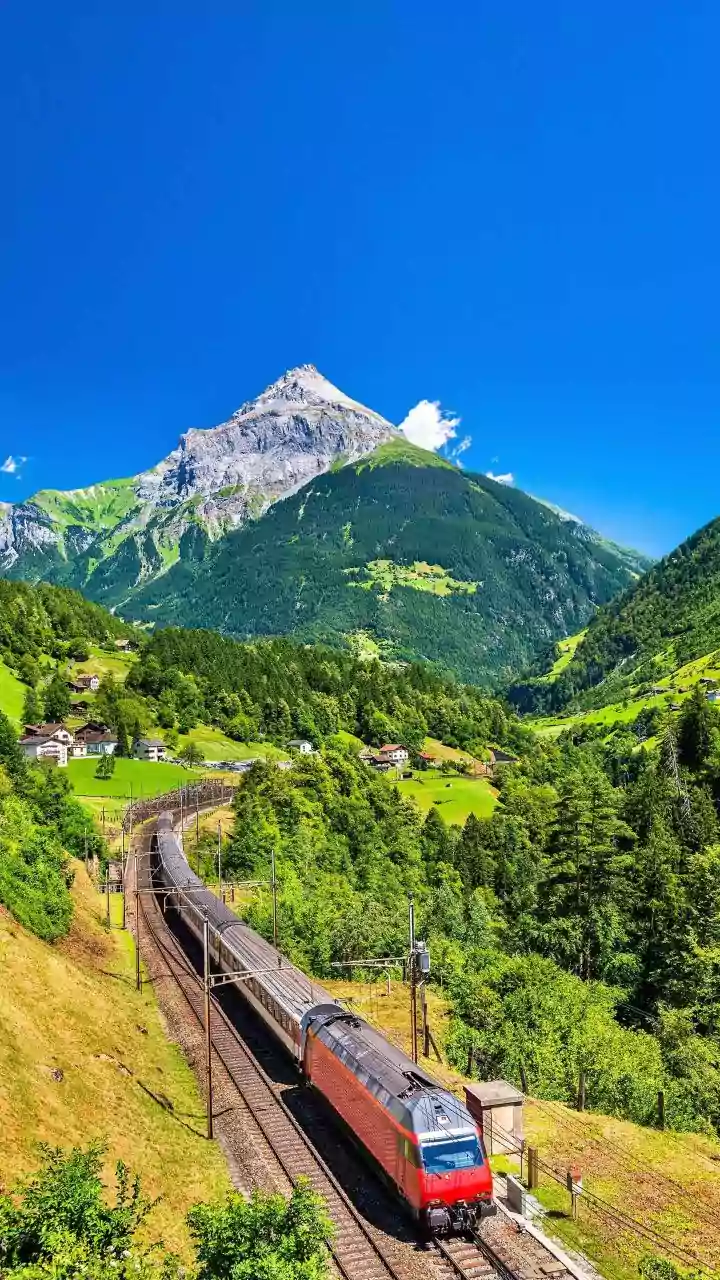
of slow travel, where the journey itself becomes an integral part of the experience. Instead of a rushed flight, passengers can savor panoramic views, engage with diverse cultures, and enjoy the leisurely pace of the rails. European train routes traverse through a stunning array of landscapes, from the rolling hills of Tuscany to the snow-capped Alps, allowing travelers to observe the changing scenery with remarkable clarity. This form of travel also benefits the environment, contributing to a smaller carbon footprint compared to flights. Trains provide an intimate way to interact with local communities. They often pass through towns and villages that are otherwise inaccessible, enhancing the opportunity for authentic cultural immersion. European railway systems frequently offer a network that is both efficient and flexible, connecting major cities and quaint towns. Passengers can effortlessly hop between countries, making multi-destination adventures effortless.
Scenic Route Exploration
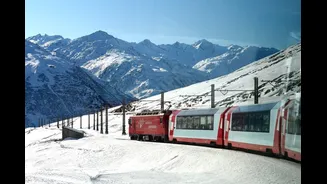
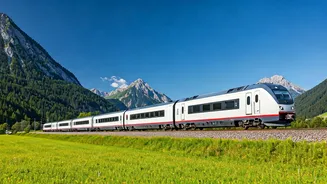
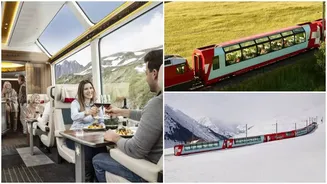
The beauty of European train travel lies in the diverse routes that cater to different preferences. The Bernina Express in Switzerland is celebrated for its spectacular views of the Alps, crossing through tunnels and over soaring viaducts. The Glacier Express, another Swiss highlight, provides an eight-hour journey across the stunning landscapes, linking Zermatt and St. Moritz. For those seeking coastal views, the Cinque Terre route in Italy is unmatched, offering glimpses of charming villages and the shimmering Mediterranean Sea. Beyond specific routes, many European countries have high-speed rail networks, such as the TGV in France and the ICE in Germany. These networks streamline travel, efficiently connecting major cities and allowing for the exploration of diverse regions within a single day. Some routes, such as the Eurostar, connect multiple countries, enabling tourists to travel from London to Paris effortlessly. These routes are designed to enhance the experience, offering the perfect opportunity to witness the beauty of Europe's landscape.
Planning Your Adventure
Planning a European train journey involves several key steps to ensure a smooth and enjoyable experience. The first step involves selecting the routes and determining travel dates. Peak seasons, like summer and holidays, often result in higher prices and greater crowds, so planning in advance is beneficial. Reservations are essential, especially for high-speed trains and popular routes. Websites like Rail Europe and Eurail provide access to booking information and pass options. Various types of rail passes offer flexibility depending on travel needs, such as the Eurail pass, which provides unlimited travel within a set period. Another useful approach involves learning about seat classes and onboard services, as this can affect comfort and the overall journey. Budgeting is also an important aspect of trip planning. Costs can vary depending on the class of travel, the length of the journey, and the season. It is best to account for accommodation costs, as well as the potential need for overnight stays. Packing smartly is also important; essential items include comfortable clothing, a travel adapter, and any necessary medications.
Maximizing Your Experience
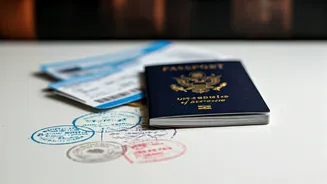
To make the most of your European train adventure, consider several helpful tips and tricks. Bring a camera to capture the breathtaking scenery that unfolds along the journey. Embrace the opportunity to interact with locals and fellow travelers; it can enrich the experience. Depending on the length of the journey, consider carrying snacks and beverages. Many trains offer dining services, but having your own supplies ensures you can enjoy a snack or drink at any time. Take advantage of the onboard Wi-Fi, if available, and use it to stay connected or enjoy entertainment. Make sure to check in at the station early, to ensure smooth boarding and to avoid any last-minute stress. Always keep important documents, such as tickets and passports, in a safe and easy-to-access location. Finally, be flexible and prepared for unexpected events. Delays or changes to schedules can occur, and having a flexible plan will allow travelers to stay relaxed and enjoy the journey, no matter what surprises may come.