




Allocate Ample Time
Ireland's charm is vast, and a week is the absolute minimum to begin appreciating its diverse offerings. While the distances between major points are manageable,
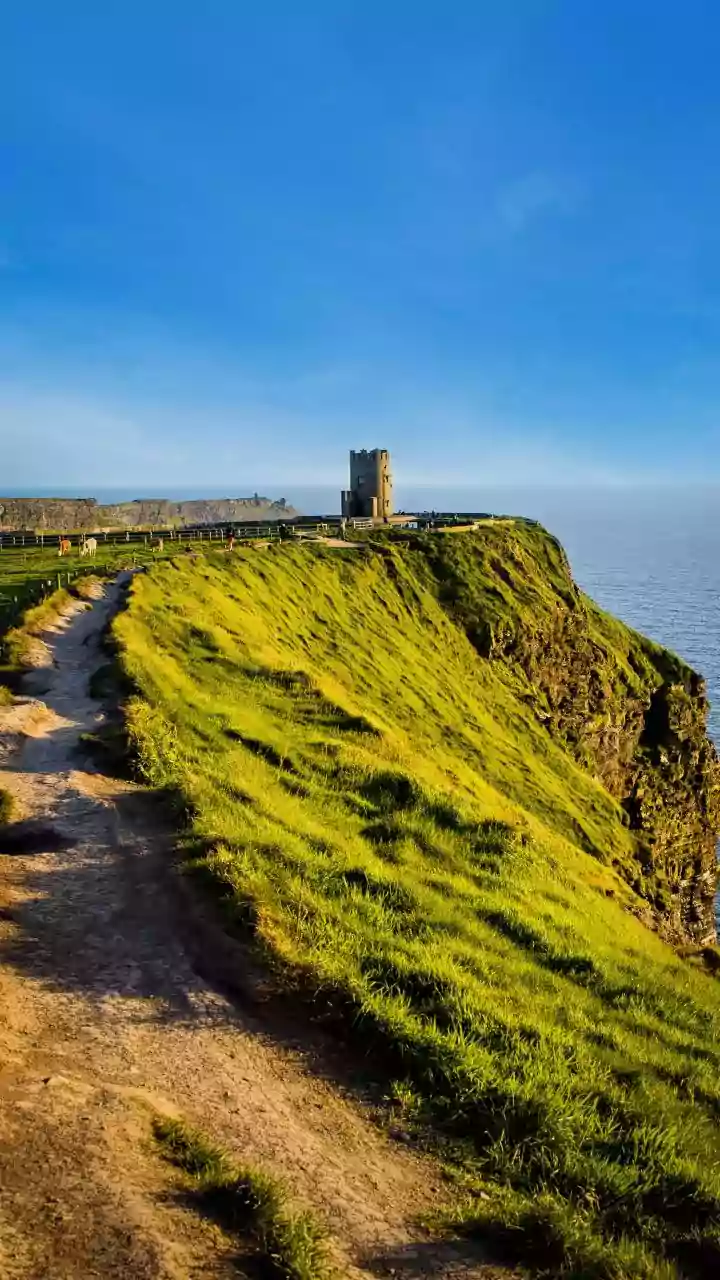
the sheer volume of must-see locations can quickly overwhelm a short itinerary. Dublin alone requires a couple of days to explore adequately. Beyond the capital, venturing to the west necessitates at least five days for a whirlwind tour encompassing Galway and Connemara, the traditional music havens of Clare and the dramatic Cliffs of Moher, the scenic Ring of Kerry and Dingle Peninsula in Kerry, and Cork City. To truly immerse yourself, consider a month-long sojourn, after which you might find yourself wishing to extend your stay for an entire year. Therefore, dedicating sufficient time is paramount to truly engaging with the country's multifaceted appeal.
Pack for All Weather
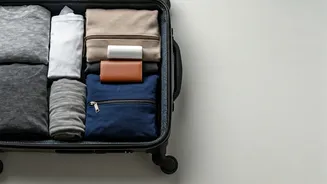
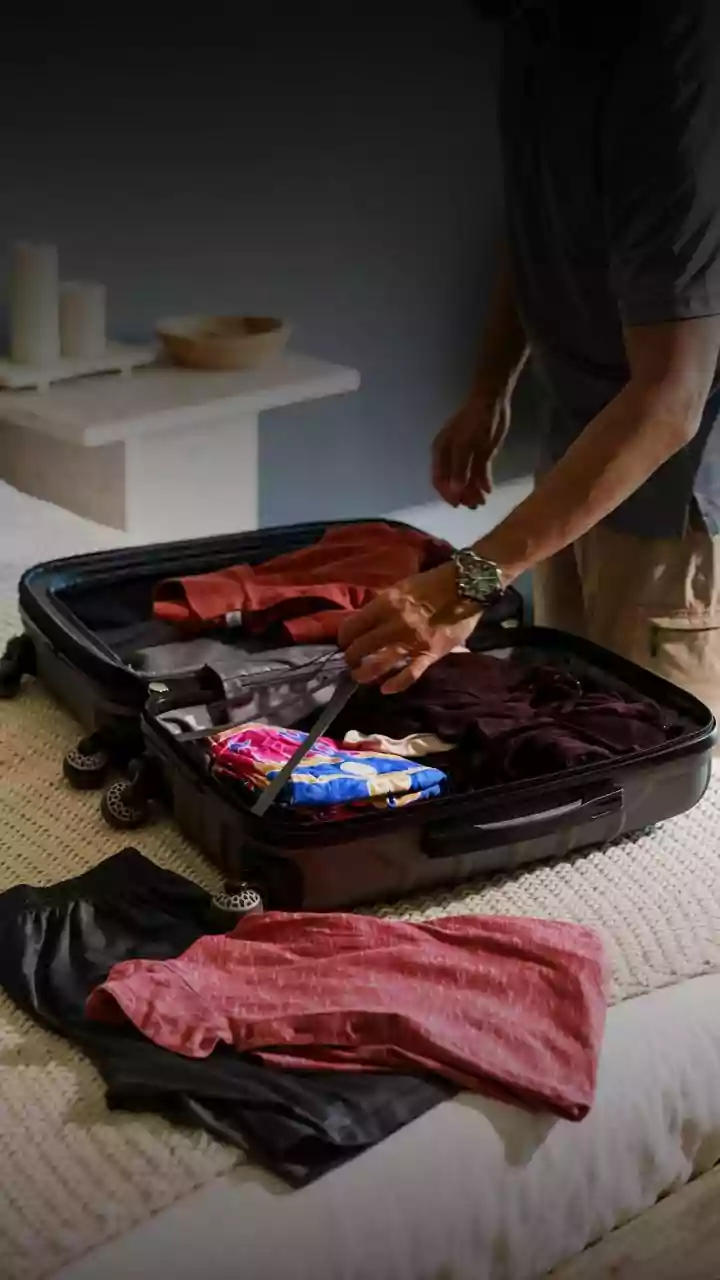
Formal attire is a rarity in Ireland, reserved for exceptionally special events. For everyday exploration and even upscale dining or cultural performances, a smart casual approach is perfectly adequate. However, the Irish climate is famously fickle. Summers, while pleasant, rarely reach high temperatures, so it's wise to pack layers for cooler evenings. A light waterproof jacket is indispensable, as you'll likely encounter rain at some point. For those planning extensive city strolls or countryside hikes, investing in a comfortable, waterproof pair of walking shoes will prove invaluable, ensuring you can explore comfortably regardless of atmospheric conditions.
Choose Your Season Wisely
The peak tourist season, spanning from June to mid-September, offers the most agreeable weather but also brings the largest crowds and highest prices for accommodation and car rentals, particularly in popular areas like Dublin, Kerry, and the west coast. Following this, from mid-September onwards, crowds begin to dissipate, and rates often decrease, while most attractions remain operational. You might still enjoy pleasant, even lovely, days up until mid-October. The low season, from November to mid-March, presents a stark contrast with shorter, damper, and colder days. The advantage here is significantly fewer visitors and potentially excellent deals on lodging. Be aware, however, that many establishments and attractions, especially along the west coast, may close for the winter, so verifying opening times beforehand is crucial for a winter visit.
Understand Irish Greetings
The renowned Irish greeting, 'Céad míle fáilte' (a hundred thousand welcomes), might suggest an effusive nature, but the reality of initial introductions is more reserved. When meeting someone for the first time, a firm handshake accompanied by direct eye contact is the standard protocol for both men and women, including older children. Once a rapport is established, greetings can become more informal, ranging from hugs and cheek kisses among friends (more common between women) to a simple nod and a casual 'hello.' Younger generations tend to be less formal than their elders, but even they typically opt for a brief handshake and a nod as a polite initial acknowledgment.
Master the Art of Conversation
While the Irish are celebrated conversationalists, their interactions with strangers tend to remain light and avoid potentially sensitive or embarrassing topics. Despite their outwardly gregarious demeanor, individuals often exhibit a degree of reserve regarding deeply personal matters, showing a distinct wariness of those who overshare. While the stereotype of avoiding discussions about sex, religion, and politics isn't entirely accurate, it's prudent to navigate such subjects with caution. If a conversation steers towards these more profound issues, prioritizing listening over speaking is advisable. Locals may engage in spirited debates amongst themselves, but they often view outsiders who offer criticism of Ireland or its people unfavorably, even if their points are valid.
Embrace the Round System
A cornerstone of Irish pub etiquette is the 'round' system: if someone buys you a drink, you are expected to reciprocate. Failing to adhere to this unwritten social contract can quickly lead to social missteps. The opportune moment to buy your next round is just as the person who treated you is finishing their current drink. It's important to note that this obligation supersedes your own drinking pace; you cannot let your companion sit with an empty glass. The real challenge often lies in keeping up with enthusiastic locals who may continue to buy you drinks, even as you're struggling with a collection of unfinished pints and potentially finding yourself leaning precariously.
Navigate Cities on Foot
Driving and finding parking within Irish cities presents a significant challenge. Free parking is virtually non-existent, and the constant traffic can test the patience of even the most seasoned drivers. The intricate network of one-way streets in major urban areas can be particularly disorienting, though navigation apps have improved considerably. Fortunately, a car is unnecessary for exploring these urban centers. Dublin, the largest city, boasts a reasonably effective public transport system, but many key attractions are conveniently within walking distance of each other. The same applies to Cork, Belfast, Limerick, and Galway, all of which are best experienced on foot or via public transit, offering a more immersive and less stressful experience than navigating by car.
Explore Beyond with a Car
While urban exploration is best achieved without a vehicle, a car is indispensable for efficiently discovering the rest of Ireland's scenic countryside. The bus network is extensive and reasonably priced, but journey times can be lengthy, and many attractions outside towns are not directly served. The rail system is faster but more limited, connecting only major towns and cities. Both bus and train services can become crowded during peak periods, necessitating advance booking to secure a seat. Car rentals are available in all major towns and cities. Remember that driving is on the left-hand side of the road. In the Republic of Ireland, distances and speed limits are in kilometers, while in Northern Ireland, they are in miles.
Cycle Ireland's Charm
Ireland's manageable size and picturesque landscapes make it an appealing destination for cycling enthusiasts, though preparation is key. The unpredictable weather, narrow roads, and swift local drivers require careful consideration. However, a growing network of dedicated greenways, such as the 42km route in County Mayo and pathways through the Midlands, offers a smoother and more enjoyable cycling experience. For those venturing along the west coast, a useful tip is that prevailing winds generally make cycling from south to north easier. While buses may accommodate bikes if space permits, and trains require pre-booked spaces due to limited capacity, it's worth noting that Dublin's suburban rail services prohibit bikes during peak commuting hours (7–10 am and 4–7 pm).
Reclaim Your VAT
Non-EU residents can reclaim the Value-Added Tax (VAT), which is 23% on most goods purchased in the Republic of Ireland. This is part of the 'Tourist Sales Tax Refund' scheme, provided the purchase was made using a credit card. Visitors from the UK are also eligible, but those from Northern Ireland are not. Before buying, confirm if the retailer participates in the program. You'll receive an export voucher for your purchases, which must be validated by customs upon your departure from Ireland. This voucher is then sent back to the retailer, who will process your VAT refund, minus any administrative fees. Many retailers utilize VAT-refunding agencies, simplifying the process by providing you with an agency-issued certificate to present at customs. Some agencies may allow you to avoid paying VAT upfront, but failure to properly submit the required paperwork could result in your card being charged later. Certain items, including books and children's clothing, are exempt from VAT altogether.