
Goldilocks Scenario Unveiled
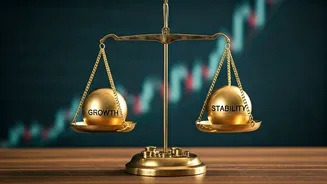
Economists view India's current economic climate as a 'Goldilocks phase,' a period marked by robust growth that is neither too hot (leading to inflation)
nor too cold (resulting in stagnation). This ideal situation allows for sustainable expansion. The experts' advice to policymakers leans towards maintaining a neutral policy stance. This involves carefully balancing various factors to promote continued advancement without igniting inflationary pressures or disrupting economic equilibrium. The aim is to preserve the advantages of the current growth trajectory.
Neutral Policy Path
The recommendation for a neutral policy stance signifies that the Reserve Bank of India (RBI) and the government should avoid major shifts in monetary or fiscal policy. This strategy aims to stabilize the economy. Instead of drastic interventions, the focus is on incremental adjustments. The goal of this balanced approach is to encourage steady development. This minimizes the risk of overheating the economy or unintentionally hindering progress. Policymakers are tasked with making informed decisions to guide the economy effectively through this advantageous period.
Growth Drivers Explained
Several key factors contribute to India's current economic dynamism. These include increasing domestic consumption, greater investment in infrastructure, and a favorable global economic environment. Rising consumer spending fuels economic activity, creating more demand for goods and services. Government initiatives for infrastructure development boost economic activity. These investments generate employment and improve overall productivity. These global conditions, coupled with strategic domestic policies, set the stage for sustained growth.
Inflationary Pressures Addressed
While India's growth is promising, experts also recognize potential inflationary risks. Monitoring price increases is crucial for maintaining economic stability. To mitigate these risks, the RBI carefully manages monetary policy tools. They aim to keep inflation within a targeted range. Measures such as adjusting interest rates are used. These actions seek to prevent prices from escalating too quickly, which would otherwise undermine the benefits of growth. Maintaining price stability is seen as essential for long-term economic well-being.
Future Outlook Considered
Looking ahead, India's economic performance will depend on several factors, including global economic trends, domestic policy decisions, and structural reforms. Global economic conditions influence India's exports and investment flows. Adaptable domestic policies will be essential to provide appropriate support for growth and tackle emerging challenges. Structural reforms, such as improving labor laws and facilitating business operations, will also strengthen India's long-term growth prospects. The government's ability to act strategically in these areas will be important for sustained economic prosperity.