




Waste Not, Want Not
The notion of discarding vegetable peels, stems, and other seemingly unusable parts of produce is a culinary habit that many of us have inherited without
question. However, these components are not mere refuse; they are valuable ingredients waiting to be utilized. The philosophy of zero-waste cooking, where every segment of a fruit or vegetable is valued for its purpose, is not a recent global trend but a practice deeply ingrained in the culinary heritage of Indian grandmothers for generations. Embracing this philosophy offers a path to a more resourceful and creative kitchen. By rethinking our approach to food scraps, we can unlock a wealth of flavour and nutrition that would otherwise be lost, contributing to both our well-being and the planet's health.
The Urgent Case for Zero Waste
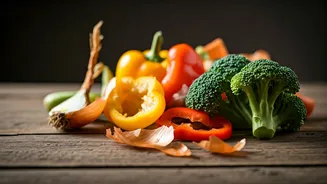
India faces a significant environmental challenge, generating approximately 68.8 million tonnes of food waste annually, with a substantial portion originating from household kitchens. This waste includes nutritionally rich parts like onion skins, abundant in quercetin, and watermelon rinds, containing citrulline, alongside fibre and vitamin C-packed broccoli stems. When these scraps end up in landfills, they contribute to methane emissions, a potent greenhouse gas. Beyond the ecological impact, food waste represents a considerable financial loss, especially given the rising costs of fresh produce. Adopting zero-waste cooking not only stretches the grocery budget further but also fosters culinary innovation. Many classic Indian dishes, such as bottle gourd peel chutney or cauliflower leaf sabzi, stand as testaments to this resourceful approach. As suggested by Chef Kunal Kapur, the journey towards sustainability commences with individual actions taken within our own kitchens.
Ancestral Wisdom Rediscovered
The culinary traditions of India have long championed the principle of using every part of an ingredient. In Bengali households, 'niramish' dishes often showcase this ethos, with preparations like shorshe ilish utilizing mustard greens and kochur saag incorporating taro stems and leaves. Meals featuring banana flower curry and jackfruit seed dal are common. South Indian kitchens contribute rasam made from tamarind seeds and chutneys from coconut shells, with curry leaves forming a flavourful base. In Maharashtra, pumpkin peels are expertly fried, and in Gujarat, the water used for washing rice is ingeniously employed to knead roti dough. These time-honoured practices have, unfortunately, waned with the advent of modern culinary aesthetics that favour peeling and discarding stems. Zero-waste cooking serves as a vital movement to resurrect and celebrate these sustainable, traditional methods.
Crispy Peel Delights
Prepare to be amazed by the simple magic of vegetable peel crisps, a creation that transforms commonly discarded potato or carrot skins into an addictive, crunchy snack. Seasoned to perfection, these crisps offer a satisfying alternative to store-bought snacks. The key to achieving their delightful crispiness lies in thoroughly washing and completely drying the peels, as any residual moisture can lead to a chewy texture rather than a crisp one. Once dried, toss the peels with a small amount of oil and your chosen spices—chaat masala, red chilli powder, and salt create a popular flavour profile. Spread them on a baking tray or in an air fryer and bake at 180 degrees Celsius for 15-20 minutes, ensuring they turn golden and crisp. Alternatively, shallow-frying in a flat pan on medium heat yields similar results. These are best enjoyed immediately, perhaps with a cup of chai. Sweet potato peels also make for a wonderfully crispy snack.
Chutney from Scraps
Embracing zero-waste cooking, this mixed vegetable peel chutney is a classic Indian preparation that proves surprisingly delicious as a side dish for rice or rotis. To create this flavourful condiment, you'll need about a cup of washed peels from vegetables like bottle gourd, ridge gourd, raw banana, carrots, or potatoes. Sauté these peels with a teaspoon each of urad dal and chana dal, two dried red chillies, and a small piece of tamarind in a little oil until the peels soften. Once cooled slightly, grind the mixture into a coarse paste with salt to taste. Finish by tempering the chutney with mustard seeds and curry leaves. This chutney can be stored in the refrigerator for a couple of days, offering a sustainable and tasty accompaniment to your meals.
Vibrant Coriander Paste
Often overlooked, coriander stems possess an intense flavour that can surpass that of the leaves, making them an ideal ingredient for a versatile paste. This flavourful concoction is a fantastic pantry staple, ready to elevate your curries, marinades, sandwiches, and even curd-based dishes. To prepare it, gather a large bunch of coriander stems (and any leftover leaves), two to three green chillies, a one-inch piece of ginger, four garlic cloves, the juice of one lemon, and salt to taste. Blend all these ingredients together with a splash of water until you achieve a smooth, thick paste. Store this vibrant mixture in a jar in your refrigerator, where it will keep for up to a week. It's perfect for marinating paneer or chicken tikka, adding depth to dal, creating a quick dip with hung curd, or using as a spread on sandwiches.
Nourishing Vegetable Stock
Cultivating the habit of making vegetable scrap stock is perhaps one of the most beneficial practices for a zero-waste kitchen. Throughout the week, collect your vegetable trimmings—such as onion ends, tomato cores, carrot tops, cabbage ribs, cauliflower stems, and methi stalks—to create a flavourful base for a multitude of dishes. This homemade stock is invaluable for enhancing the taste of your soups, dals, biryanis, and khichdi. To prepare it, combine approximately two cups of mixed vegetable scraps with three to four cups of water in a pot. Add half a teaspoon of turmeric, four to five crushed garlic cloves, a bay leaf, and salt to taste. Simmer this mixture to extract the flavours, then strain the liquid to obtain your nourishing stock.
Cauliflower Stem Sabzi
When preparing cauliflower, the stems and leaves are frequently discarded, which is a significant culinary oversight. These parts offer a distinct flavour profile; the stems boast a slightly earthier, nuttier taste compared to the florets, while the leaves, when cooked down, remarkably resemble the taste of sarson ka saag. To make a sabzi, you'll need the chopped stems and leaves from one cauliflower, one medium sliced onion, two chopped tomatoes, one teaspoon of ginger-garlic paste, half a teaspoon of turmeric, one teaspoon of cumin seeds, one teaspoon of coriander powder, salt and red chilli to taste, and oil for cooking. Sauté cumin seeds in hot oil until they splutter, then cook the sliced onion until golden. Add the ginger-garlic paste and cook for a minute before adding the chopped tomatoes and cooking until the masala forms a cohesive unit. Introduce the cauliflower stems first, as they require more time, followed by the leaves after five minutes. Incorporate your spices, a splash of water, cover, and cook on low heat for 10-12 minutes until tender. Finish with a squeeze of lemon juice and serve with rotis.
Sweet Watermelon Preserve
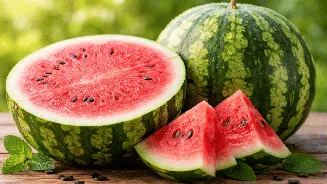
This time-honoured recipe transforms the thick white rind of a watermelon into a delightful preserve, offering a spiced, subtly sweet flavour that pairs wonderfully with dal-chawal or serves as a post-meal digestive. You will need two cups of the white part of the watermelon rind, cut into cubes (ensuring the green skin is removed). In a heavy-bottomed pan, combine one cup of sugar with one cup of water and bring to a boil. Add the cubed rind, four green cardamom pods, half a teaspoon of ginger powder, and a few strands of saffron, if using. Cook this mixture on medium-low heat, stirring periodically, for about 25 to 30 minutes, or until the rind becomes translucent and the syrup slightly thickens. Add the juice of half a lemon in the final five minutes of cooking. Once cooled, store the preserve in a sterilized jar, where it will remain fresh in the refrigerator for up to a month.