
FTA's Export Boost
The India-UK Free Trade Agreement (FTA) is expected to act as a catalyst, significantly stimulating India's gem and jewellery exports. This collaboration
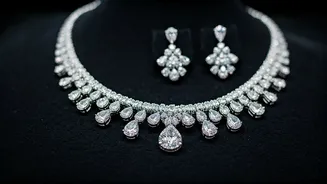
offers a favorable environment for Indian businesses within the sector, giving them expanded market access. This could result in a surge in sales, improved competitiveness, and greater profitability for the companies involved. The FTA has the potential to remove or lessen tariffs and non-tariff barriers, making it easier and more cost-effective for Indian jewelers to sell their goods in the UK market. This can boost export volumes, diversify products offered, and increase the overall contribution of the gems and jewelry sector to India's economy. The agreement also provides a framework for future collaborations in areas like design, technology, and skill development, further enhancing India's jewellery industry.
Sustainability Rules Matter
While the FTA promises growth, it also brings some challenges, especially those linked with European Union (EU) sustainability rules. These rules are stringent and cover a wide range of factors, including the ethical sourcing of raw materials, environment-friendly production practices, and the fair treatment of workers. Jewelers are required to adhere to these rules in order to have access to the EU market. For Indian jewellery exporters, this means that their products must meet specific standards to be sold in the UK market, which is influenced by EU regulations. Compliance can be difficult, given the complex nature of supply chains and the need for comprehensive documentation and traceability. Companies that can effectively implement sustainable practices, however, will be at an advantage, able to build consumer trust, enhance brand reputation, and ensure long-term market access. This necessitates that businesses invest in certifications, adopt best practices, and work with their suppliers to fulfill these complex requirements.
Navigating Compliance Challenges
Successfully navigating the compliance landscape demands a proactive approach from Indian jewellery exporters. Key steps include performing thorough audits of the supply chain to ensure responsible sourcing of materials. Businesses must invest in certifications such as those provided by the Responsible Jewellery Council (RJC) or other similar organizations to demonstrate compliance with international standards. Transparency is paramount, thus requiring detailed documentation of all processes, from raw material extraction to final product. Building strong relationships with suppliers is also necessary, educating them on sustainability norms and supporting their compliance efforts. By embracing sustainability as a core business practice, Indian jewellery exporters can meet the regulations, expand their market reach, and strengthen their global competitiveness. The government can assist by offering training and financial assistance to help businesses adapt to these new norms and capitalize on the growing demand for sustainable products.
Unlocking Opportunities Ahead
The India-UK FTA represents a tremendous opportunity for India's jewellery sector. The agreement has the potential to boost exports, promote growth, and boost India's position in the international market. However, success depends on how Indian businesses respond to the demands of sustainability. By focusing on ethical sourcing, adopting environment-friendly manufacturing techniques, and ensuring fair labor practices, Indian exporters can unlock new opportunities. This proactive approach will build trust with UK consumers, maintain access to the EU market, and encourage long-term development. The FTA, when coupled with a commitment to sustainable business practices, will help Indian jewellery businesses to become globally competitive, building a more resilient, and more rewarding business landscape. The future of India's jewellery exports hinges on this ability to adapt and excel.