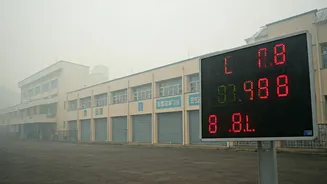








AQI: A Concern
The Air Quality Index, or AQI, serves as a crucial metric for evaluating air quality across various regions, and in the Delhi-NCR area, it has recently
become a significant concern. The AQI's fluctuation directly impacts human health and the environment, leading to various restrictions and guidelines. High AQI levels, particularly during certain seasons, can lead to respiratory issues, especially for children, the elderly, and those with pre-existing conditions. These individuals are often the most vulnerable to the effects of poor air quality. The government and related authorities monitor the AQI levels daily and implement appropriate actions based on the readings to protect public health and the environment. This constant monitoring helps officials gauge the severity of the situation and take preventive measures.
GRAP-4: Stricter Rules
GRAP-4, or the Graded Response Action Plan Stage IV, is an important initiative implemented by authorities to address severe air pollution in Delhi-NCR. When the AQI reaches critical levels, GRAP-4 protocols are triggered. These protocols involve a series of measures designed to reduce emissions and improve air quality. The enforcement of these rules usually includes strict limitations on construction activities, the prohibition of certain types of vehicles, and other steps aimed at reducing pollution sources. Implementation of GRAP-4 signifies that the air quality has reached a very dangerous level, making urgent action essential. Therefore, these measures are put in place to protect public health from the adverse effects of severely polluted air by rapidly reducing pollutant levels, such as PM2.5 and PM10, to safer levels.
School Closures?
The implementation of GRAP-4 often leads to the question of school closures in Delhi-NCR. Depending on the severity of the AQI, authorities will often decide to shut down schools. These closures are implemented to safeguard students from the health risks associated with high levels of air pollution. The decision to close schools is usually based on careful consideration of AQI readings and health advisories. When schools are shut, online classes or alternative learning methods may be used to continue education, ensuring students' studies are not significantly disrupted. Communication to parents, students, and educators is crucial to provide timely updates and details of the decision-making process.
Changes Implemented
If schools remain open during high-pollution periods, several adjustments might be made to protect the well-being of the students and staff. Outdoor activities, like sports and outdoor assemblies, are generally cancelled or minimized to reduce exposure to polluted air. Increased cleaning and ventilation may be adopted to improve indoor air quality. Schools could also enforce the wearing of masks, providing a further layer of protection. There may also be adjustments to the school day's schedule, such as reduced hours or shifting timings. Communication with parents is also very vital to encourage them to take additional safety steps, like preventing children from outdoor activities. These practices guarantee the students continue their education without compromising their health, adjusting to the situation.
Parental Guidance
Parents play a significant role in safeguarding their children's well-being during periods of heightened air pollution. They are advised to check the AQI regularly and to stay updated about school policies and advisories from the local authorities. During times of high pollution, parents should limit their children's exposure to outdoor activities. Encourage them to stay indoors, particularly during peak pollution hours, which is important for their protection. It is recommended that they provide their children with appropriate masks, especially when outside, to minimize the inhalation of pollutants. Parents must also ensure that they have a good understanding of the health guidelines and precautionary measures, like seeking medical assistance if needed.
Future Implications
The ongoing challenges of air pollution in Delhi-NCR highlight the need for long-term strategies. Implementing sustainable practices and reducing emission sources are necessary to lessen pollution. The government should invest in more air quality monitoring tools to improve the accuracy of assessments. Educating the public about the hazards of pollution and preventive steps is also very important. Supporting public transportation and promoting the usage of cleaner energy sources can significantly cut down pollution levels. Addressing these problems at the root will not only improve the air quality but also provide the groundwork for a more sustainable future, guaranteeing that schools and communities are safeguarded against pollution's adverse effects.