

Smart Swaps for Stability
Transitioning to a diabetes-friendly diet doesn't mean giving up beloved Indian flavors; it's about making smarter choices. This involves prioritizing
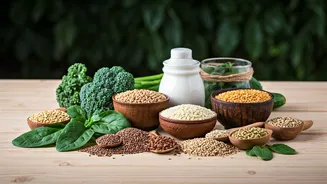
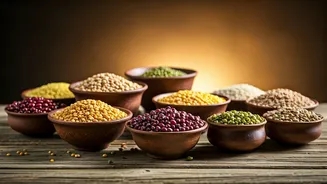
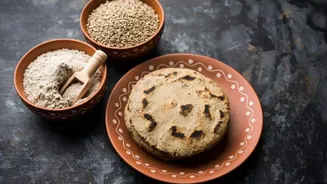
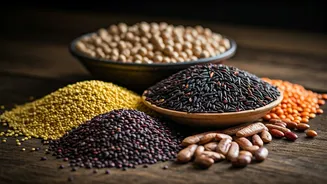
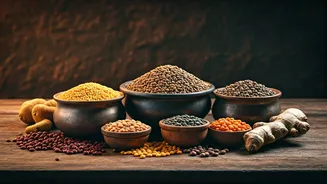
whole grains like jowar, bajra, and oats over refined options, and significantly increasing the intake of fiber-rich foods such as leafy greens, sprouts, and vegetables. These ingredients play a crucial role in slowing down glucose absorption, leading to more stable blood sugar levels throughout the day. Simple substitutions, like opting for a multigrain roti instead of white flour or incorporating a generous portion of steamed vegetables with your meals, can make a profound difference. The key is to focus on nutrient-dense foods that offer sustained energy release, transforming everyday meals into powerful tools for managing diabetes. This approach ensures that your diet remains satisfying, practical, and conducive to overall well-being, making healthy eating a sustainable lifestyle choice rather than a temporary diet.
The Power of Protein & Fiber
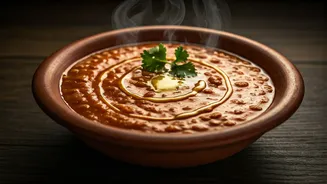
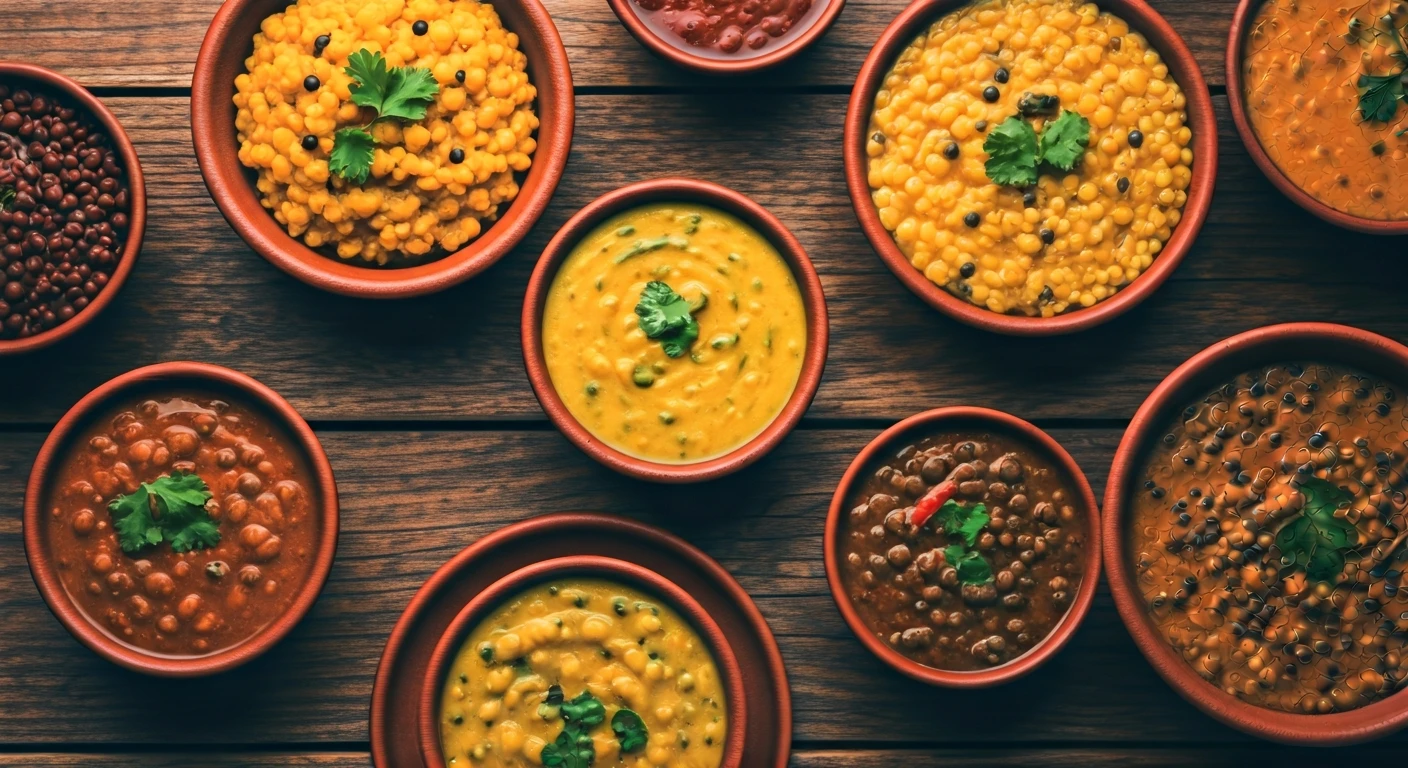
For optimal diabetes management, the combination of high fiber and high protein is paramount, acting as a 'power couple' to enhance satiety and stabilize blood sugar. Dishes that prominently feature sprouts, such as mixed sprout salads or sprouted moong preparations, are particularly beneficial. Sprouts are exceptionally rich in both fiber and plant-based protein, aiding digestion and ensuring a gradual release of energy, which keeps you feeling full and energetic for extended periods. Similarly, combining whole grains like jowar or bajra with pulses, as seen in Methi Moong Dal or Jowar Bajra Garlic Roti, provides a synergistic effect. The complex carbohydrates in millets digest slowly, while the protein from the dal offers a continuous supply of nutrients. Green leafy vegetables, when paired with dals or besan (gram flour) in recipes like Palak Methi Muthia, further contribute essential fiber and minerals that support insulin sensitivity, making these combinations ideal for maintaining metabolic balance and preventing energy crashes.
Balanced Plate, Balanced Life
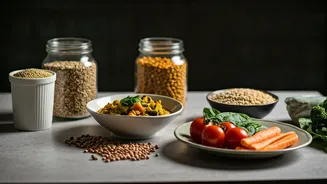
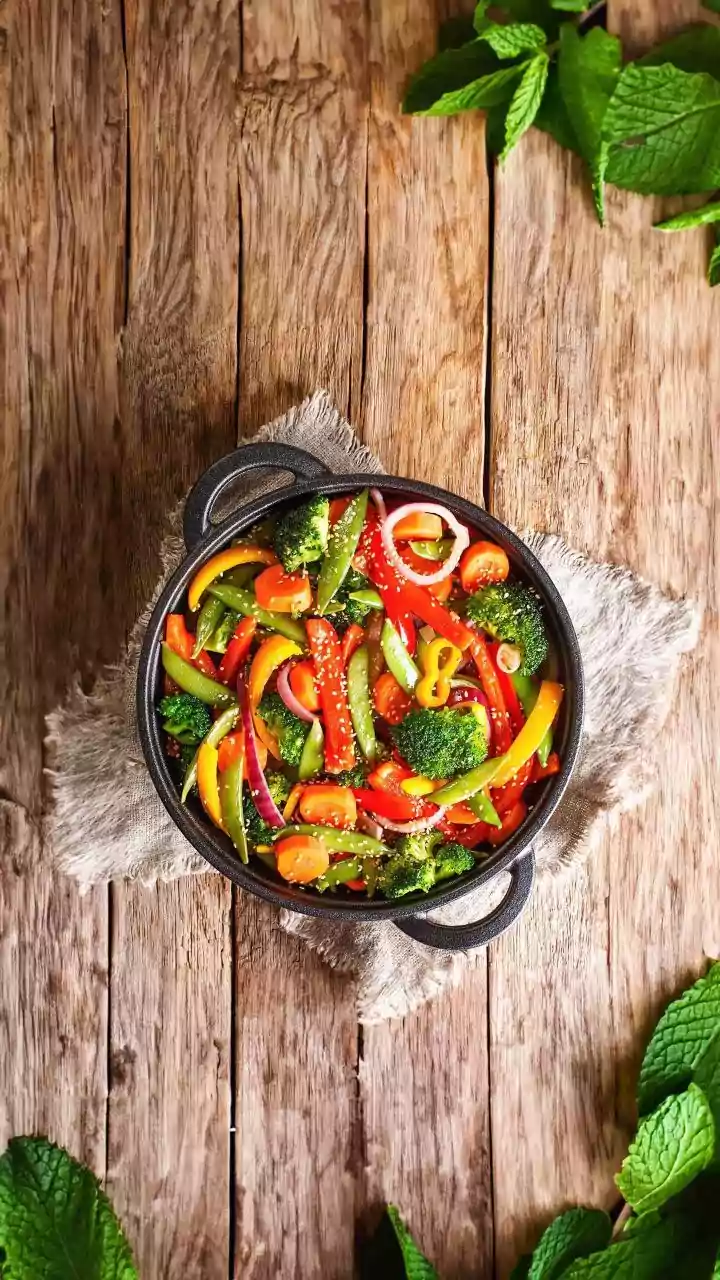
Adopting the 'Plate Method' is a highly effective strategy for daily diabetes management, offering a visual and simple way to construct balanced meals without complex calculations. This method advocates filling half your plate with non-starchy vegetables, such as those found in vegetable stir-fries or fresh salads, thereby maximizing fiber intake and minimizing carbohydrate load. A quarter of the plate should be dedicated to lean protein sources, including dals, sprouts, or low-fat paneer, which are crucial for satiety and slowing down digestion. The remaining quarter is reserved for healthy carbohydrates or grains, like a single whole grain roti or a modest portion of brown rice or millets. This balanced approach ensures that each meal delivers a variety of nutrients, promotes slow glucose absorption, and helps prevent the sharp post-meal blood sugar spikes. By consistently applying this principle, individuals can create delicious and satisfying meals that align perfectly with their health goals.
Timing and Portions Matter
Beyond the quality of ingredients, the timing and portion control of meals are critical pillars for maintaining stable blood sugar levels throughout the day. Eating at consistent intervals helps regulate the body's response to food and medication, while avoiding long gaps between meals prevents blood sugar fluctuations and overeating. The strategy of consuming smaller, more frequent meals (5-6 per day) is more beneficial than consuming two or three large ones. This approach ensures a steady energy supply and prevents the sharp dips and spikes often associated with larger meal gaps. Furthermore, finishing dinner at least 2-3 hours before bedtime can significantly improve overnight fasting blood sugar levels. Mindful eating practices, such as chewing food slowly to allow the brain to register fullness, naturally aid in portion control. Prioritizing fiber-rich foods like salads or a small bowl of dal before consuming carbohydrates can also create a 'fiber buffer,' further slowing sugar absorption and enhancing overall glycemic control.
Flavorful Solutions for Cravings
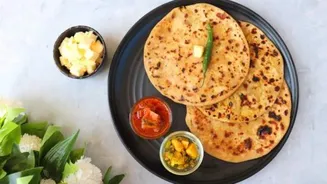
Managing sugar cravings, especially during the evening, requires strategic food choices that offer both satisfaction and blood sugar stability. Opting for snacks high in fiber and protein is the most effective approach to curb these urges. A prime example from the collection is the Moong Dal and Paneer Chilla, which provides a substantial protein punch from both the moong dal and paneer. This protein content fosters a feeling of fullness, signaling the brain to reduce sweet cravings. Crucially, its fiber-rich nature prevents abrupt glucose level increases, thereby averting the sugar crash that often triggers subsequent cravings. Its savory and hearty profile makes it an excellent substitute for processed, sugary snacks. Incorporating such nutrient-dense options ensures that snack times contribute positively to diabetes management rather than hindering it, keeping both taste preferences and health goals aligned.