





Diet and Pregnancy
The food choices a woman makes during pregnancy can profoundly impact her postpartum journey. A diet rich in essential nutrients supports both the developing
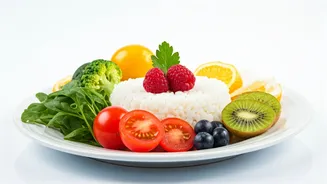
fetus and the mother's body. The emphasis on 'healthy eating' during pregnancy is frequently highlighted, as it sets a foundation for efficient recovery after delivery. This includes nourishing meals that focus on vital nutrients to prepare the body for childbirth and breastfeeding. It's crucial for the new mother to nourish her body with the right foods because the body undergoes significant changes throughout this time, including weight gain, hormonal shifts, and physiological adjustments. Eating a well-balanced diet before the baby's arrival is similar to providing the building blocks for easier recovery after giving birth.
Nutrient Needs Shift
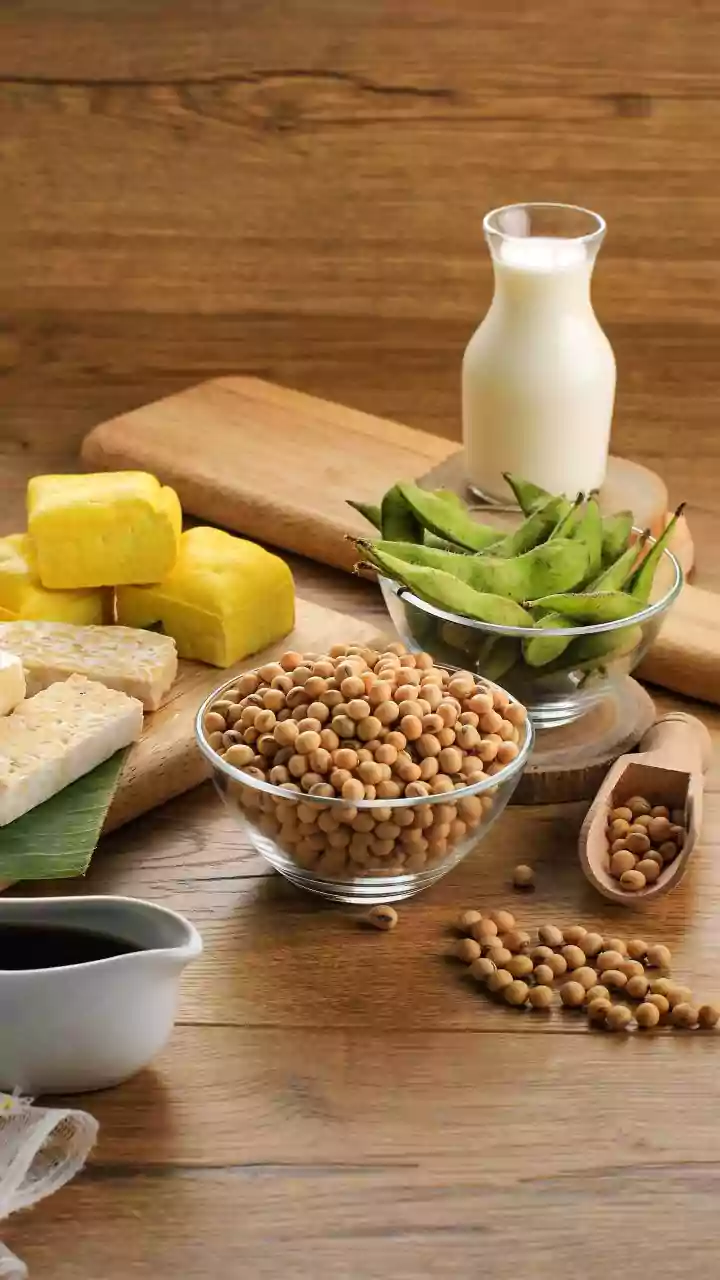
The body’s nutrient requirements experience major shifts after delivery, and meeting these new demands is essential for regaining strength and well-being. Protein, iron, calcium, and vitamins play important roles in postpartum health. Protein contributes to tissue repair and healing, while iron combats anemia, which is frequent among new mothers. Calcium helps maintain bone density, which is particularly crucial for women who breastfeed, to prevent the calcium from being extracted from their bones to feed their baby. Vitamins, especially Vitamin D, have a significant role in mood regulation and energy levels, contributing to overall well-being. For a good recovery, it is also important to maintain a healthy diet. New mothers must prioritize a well-balanced diet that fulfills the need of body.
Weight Loss Concerns
Weight loss after delivery is a common concern among many women. However, it's essential to approach this with realistic expectations and in a way that prioritizes the mother’s health and well-being. Rapid weight loss methods or strict dieting are generally not recommended, especially when breastfeeding, as they can deprive the body of essential nutrients and disrupt milk production. Weight loss should happen gradually. The focus should be on building sustainable lifestyle changes and not short-term strategies. The goal is to support the body’s natural healing processes and regain energy. This needs to be considered as a journey and must be done by adapting healthy habits, instead of rushing to quickly eliminate the weight gained during pregnancy.
Realistic Expectations Set
Societal and cultural expectations often create unrealistic pressure on new mothers to quickly 'bounce back' to their pre-pregnancy bodies. Many women are often surprised by the changes the body goes through, especially if they are not aware of the process. It is important to resist this pressure and prioritize their health and emotional well-being over superficial goals. Creating a support system is vital. Open communication and support from family, friends, and support groups can help alleviate stress. Focusing on self-care, which includes adequate rest, a healthy diet, and gentle exercise, is critical for both physical and mental recovery. Setting realistic, attainable goals and celebrating small wins can significantly improve overall satisfaction during the postpartum period. This includes giving your body time to heal and adjust to the post-pregnancy changes.
Indian Cultural Context
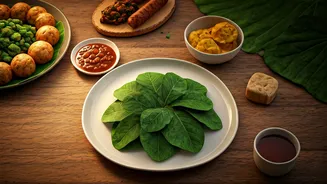
Cultural beliefs and practices significantly influence postpartum dietary and lifestyle choices in India. Certain foods, for example, are traditionally recommended to promote healing, increase milk production, and provide essential nutrients to the mother. Understanding and incorporating these time-tested practices is important. It is also important to be aware of the impact of such practices, to ensure that the diet supports overall health and doesn't conflict with current medical advice. Traditional practices, like avoiding certain foods believed to cause health issues, should be examined with caution, and a holistic approach considering both cultural wisdom and modern medical knowledge is best. Discussions with healthcare providers or nutritionists can provide personalized guidance, helping women navigate cultural traditions while ensuring optimal health.
Mindful Eating Habits
Developing mindful eating habits can greatly improve postpartum health and recovery. Paying attention to hunger and fullness cues, eating slowly, and savoring meals supports digestion and prevents overeating. Choosing nutrient-dense foods over highly processed ones contributes to overall wellness. The emphasis on being present while eating helps to reduce stress and improves the digestion process. Creating a balanced diet plan involves consuming a variety of foods, with each meal providing energy. Making conscious decisions about food intake can lead to better health outcomes, improve the feeling of satisfaction, and help you be more aware of what your body requires. It also promotes a positive relationship with food, which is essential for long-term health and well-being.
Consulting Professionals
Consulting with healthcare professionals is essential for getting personalized guidance throughout the postpartum period. Consulting a doctor, a registered dietician, or a lactation consultant can provide tailored advice based on the individual's needs, medical history, and cultural background. Healthcare providers can address specific concerns, give dietary advice, and assist with managing any health conditions that may affect the recovery process. Regular check-ups are also crucial to monitor the mother's physical and mental health. These professionals can help identify potential issues, like nutrient deficiencies or mood disorders, and suggest interventions or support. Professional advice is valuable for promoting a healthy recovery and long-term health.