





BNP Secures Majority
The Bangladesh Nationalist Party (BNP) has announced a resounding victory in the recent parliamentary elections, claiming to have secured a majority of
seats necessary to form the next government. This significant win positions the BNP to lead the nation following the tumultuous political events of the past, including the student-led protests that led to the departure of the former Prime Minister Sheikh Hasina in July 2024. Unofficial tallies indicate that the BNP, under the leadership of Tarique Rahman, has surpassed the 200-seat mark in the 300-member Jatiya Sangsad (House of the Nation), signaling a clear mandate from the electorate. The election narrative was largely a contest between the BNP and its one-time ally, Jamaat-e-Islami, while the Awami League was notably absent from the electoral fray due to a prior ban on their participation.
Key Figures and Reactions
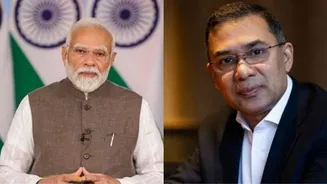
Tarique Rahman, the chairman of the Bangladesh Nationalist Party, has personally achieved a landslide victory in both the Bogura-6 and Dhaka-17 constituencies, further solidifying his party's triumph. The United States has extended congratulations to Bangladesh on the successful conclusion of its elections and specifically to Tarique Rahman and the BNP for their historic win. U.S. Ambassador to Bangladesh, Brent T. Christensen, expressed anticipation for collaboration, stating, 'The United States looks forward to working with you to realize shared goals of prosperity and security for both our countries.' This diplomatic acknowledgment underscores the international community's engagement with the new political order in Bangladesh, emphasizing a desire for continued bilateral cooperation and stability. The BNP itself has expressed gratitude to the nation's citizens for their support, formally declaring their majority and readiness to assume governance responsibilities.
Voter Turnout and Election Dynamics
The 13th parliamentary elections in Bangladesh witnessed a national voter turnout of 60.69 percent, as officially recorded by the Election Commission. This figure indicates a substantial level of public engagement in the democratic process. The election primarily revolved around the competition between the BNP and Jamaat-e-Islami, a dynamic shaped by their past political alliances and subsequent shifts. The exclusion of the Awami League from the electoral contest due to its ban significantly altered the traditional political landscape, allowing other parties to vie for dominance. The BNP and its associated allies have collectively secured a commanding presence in the Jatiya Sangsad, with preliminary reports suggesting they have won well over 200 seats, confirming the party's declaration of a majority and their preparedness to form the incoming government.