





The Hidden Risks
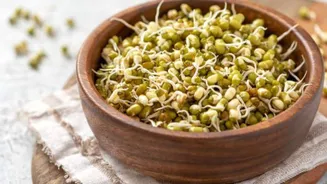
Sprouts, celebrated for their nutritional value and inclusion in health-conscious diets, are often consumed raw, with the belief that this maximizes their benefits.
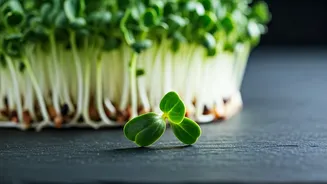
However, nutritionist Leema Mahajan cautions that this raw consumption habit may not be as beneficial as commonly perceived. The growing conditions for sprouts—warm and moist environments—also create an ideal breeding ground for harmful bacteria like E. coli and Salmonella. If contamination occurs during the sprouting phase, these pathogens can multiply significantly. A simple rinse might not be sufficient to eliminate them. Mahajan suggests that lightly cooking sprouts, through steaming or sautéing, is a much safer approach. This minimal heat treatment drastically reduces the risk of foodborne illness while still preserving the sprouts' inherent nutritional qualities. Therefore, before making raw sprouts a daily staple, understanding these potential microbial threats is crucial for a truly healthy eating experience.
Protein Power Myth
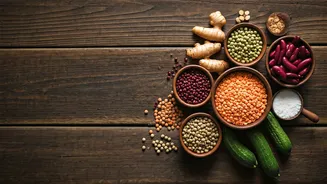
Many people view sprouts as a significant source of protein, a perception that nutritionist Leema Mahajan suggests is largely inaccurate. According to her, a typical 100-gram serving of sprouts yields only about 3 to 4 grams of protein. When compared to other readily available protein-rich foods, this amount is quite modest. Consequently, relying on sprouts as a primary protein source for meals is inadvisable for meeting daily protein requirements. For a more substantial protein intake, Mahajan recommends incorporating foods such as dals, legumes, paneer, eggs, tofu, and chickpeas into your diet. While sprouts can contribute positively to a balanced diet, they function best as a complementary ingredient rather than the main protein component of a meal, offering texture and some nutrients rather than significant protein.
Digestive Upset Ahead
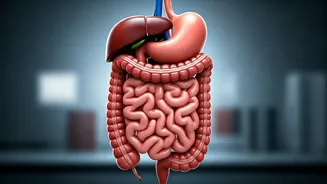
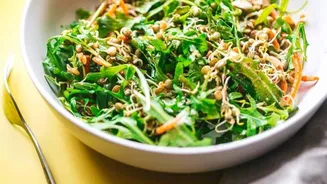
Beyond the risk of bacterial contamination, consuming sprouts in their raw state can also lead to digestive discomfort for some individuals. Nutritionist Leema Mahajan points out that raw sprouts are rich in fiber and certain types of carbohydrates that are fermentable. These components can be challenging for the digestive system to process, particularly for those with sensitive stomachs or conditions like Irritable Bowel Syndrome (IBS). Symptoms such as bloating, increased gas, and general stomach unease can arise after eating raw sprouts. Lightly cooking sprouts can significantly improve their digestibility. By breaking down some of the complex fibers and carbohydrates, steaming or sautéing makes them gentler on the gut, thus mitigating the potential for gastrointestinal distress that raw consumption might trigger.
Proper Storage Matters
Even after purchasing or preparing sprouts, their safe consumption hinges on proper storage practices. Nutritionist Mahajan emphasizes that while refrigeration is essential for slowing down the multiplication of bacteria, it does not eradicate them entirely. Therefore, it is imperative to store sprouts in the refrigerator to minimize bacterial growth. Furthermore, it is advisable to consume them within a short timeframe, ideally within 24 to 48 hours of purchase or preparation. Holding onto sprouts for extended periods increases the likelihood of bacterial proliferation and spoilage, thereby raising the risk of foodborne illness. Adhering to these storage guidelines ensures that you can enjoy the benefits of sprouts while maintaining food safety.