






Make Movement Joyful
Transform fitness from a chore into an enjoyable pursuit for teenagers. Instead of imposing rigid exercise routines or gym visits, focus on integrating
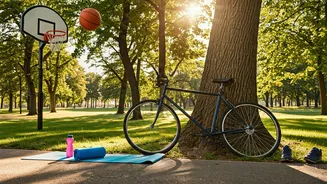
enjoyable physical activities into their daily lives. Think beyond traditional workouts and explore options like cycling, dancing, swimming, playing sports like football or badminton, or even engaging in brisk walks. When activities are genuinely fun, teens are far more likely to participate willingly and enthusiastically, fostering a positive association with movement rather than viewing it as a consequence. The goal is to cultivate a hobby that sparks intrinsic motivation, making physical activity a natural and appealing part of their lifestyle, not a punitive measure for any perceived missteps.
Balance Screens and Outdoors
Address the prevalent issue of excessive screen time by encouraging a healthier equilibrium with outdoor engagement. While complete abstinence from digital devices isn't practical, establishing a sensible balance is key. Guide your teen to limit their hours spent on mobile phones, video games, and social media, and actively steer them towards more outdoor pursuits. This shift not only enhances their physical condition but also provides significant benefits for their social development and overall mood, which are particularly critical during adolescence. Prioritizing outdoor activities can lead to improved mental well-being and a more vibrant social life for your teenager.
Lead by Example
Recognize that teenagers often emulate their parents' behaviors more readily than they follow their advice. To effectively encourage fitness, parents should actively embody a healthy and active lifestyle themselves. By participating in sports, outdoor activities, or simply choosing to walk for short distances instead of driving, you become a powerful role model. Witnessing your commitment to exercise, yoga, or playing sports can inspire your teen to adopt similar habits. Your personal engagement sets a visible standard and demonstrates the value you place on physical well-being, making it more relatable and achievable for them.
Focus on Health Over Image
Shift the focus of fitness encouragement towards the intrinsic benefits for health, energy, and mood, rather than on external body image concerns. Teenagers are particularly sensitive to how they are perceived, and conversations centered on physical appearance can be detrimental to their psychological state. Instead, emphasize how engaging in sports and physical activity contributes to increased stamina, a stronger physique, and a more positive outlook. By highlighting the advantages for their overall well-being and vitality, you can foster a healthier relationship with exercise that is rooted in self-care and self-improvement, free from the pressures of societal beauty standards.
Set Achievable Goals
Implement a strategy of setting small, manageable fitness milestones to prevent discouragement and maintain long-term engagement. Overly ambitious targets, such as daily gym visits or extensive running routines, can quickly lead to waning interest. Instead, encourage your teen to set realistic goals, like a 20-minute daily walk, participating in a sport twice a week, or incorporating brief home exercises. Achieving these smaller objectives cultivates a sense of accomplishment and fuels motivation, gradually integrating fitness into their lifestyle. The ultimate aim is to foster consistent activity over time, building a sustainable habit rather than pursuing short-term, intense bursts of exercise.