



The Tomato Timeline
The most impactful gardening wisdom the author ever received came from a seasoned neighbor, Ethelbert, a farmer with a practical outlook. The advice was
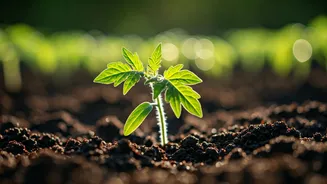
simple yet profound: postpone planting tomatoes until after Memorial Day. While tomato plants appear in nurseries much earlier, around late April, coinciding with the final spring frost, Ethelbert’s counsel recognized that the absence of frost doesn't equate to ideal growing conditions. Tomatoes truly flourish in consistent warmth, thriving between 65°F and 85°F during the day and maintaining a temperature of 60°F to 70°F at night. In regions like northeastern Pennsylvania, May nights can still dip below 50°F, a temperature that, while not lethal, can significantly stunt tomato plant growth. By adhering to this post-Memorial Day planting schedule, the author has consistently enjoyed bountiful harvests for over two decades, avoiding the anxiety of constantly monitoring forecasts and scrambling to protect vulnerable seedlings from unexpected cold snaps that plague those who plant earlier.
Taming Tomato Growth
Once tomato plants are established in warmer soil and begin their rapid growth, typically within a week of planting, attentive care is paramount. Indeterminate varieties, in particular, can quickly become unruly if not managed. The author prefers a more robust support system than conventional tomato cages, which can impede airflow and potentially foster disease. Instead, a 6-foot steel fence post is driven into the ground for each plant, with the main branches individually tied to the post. This method, though more labor-intensive, simplifies harvesting and provides superior structural support. Equally vital is regular pruning, which is not merely a suggestion but an essential task. Neglecting to remove suckers, the small shoots that emerge from the leaf axils, can lead to an overabundance of foliage, making the plant difficult to manage and ultimately reducing fruit production. Consistent pruning ensures the plant directs its energy towards developing flavorful tomatoes rather than excessive vegetative growth.
Four Beginner Gardening Gifts
Grateful for Ethelbert's foundational advice, the author has curated a list of four additional tips that would have greatly benefited them as a novice gardener, offering these insights to others embarking on their own gardening journeys. Firstly, mulching vegetable gardens is highly recommended. Hardwood chip mulch is particularly effective at retaining soil moisture and suppressing weed growth, benefiting both ornamental and edible plants. Obtaining free arborist chips from local tree removal companies provides a nutrient-rich, less processed alternative to commercial mulches that allows for adequate rainfall penetration while effectively blocking weeds. Secondly, consistent watering of new plants is crucial. Instead of watering only immediately after planting and then waiting, newly planted perennials and annuals should be watered daily for the first week, or longer in hot weather, especially if there is no substantial rainfall. This diligence significantly reduces plant loss. Thirdly, prioritizing native plants is a wise choice. Native species are better adapted to the local climate, exhibit fewer disease and pest issues, and provide invaluable support to local wildlife and insects crucial to the food chain, all while being aesthetically pleasing. Finally, understanding and working around seasonal pests can save considerable effort. For instance, planting wild arugula for a fall harvest circumvents the flea beetles that plague spring crops, and fall-bearing raspberries ripen after the Japanese beetles have disappeared, eliminating the need for constant pest removal.